


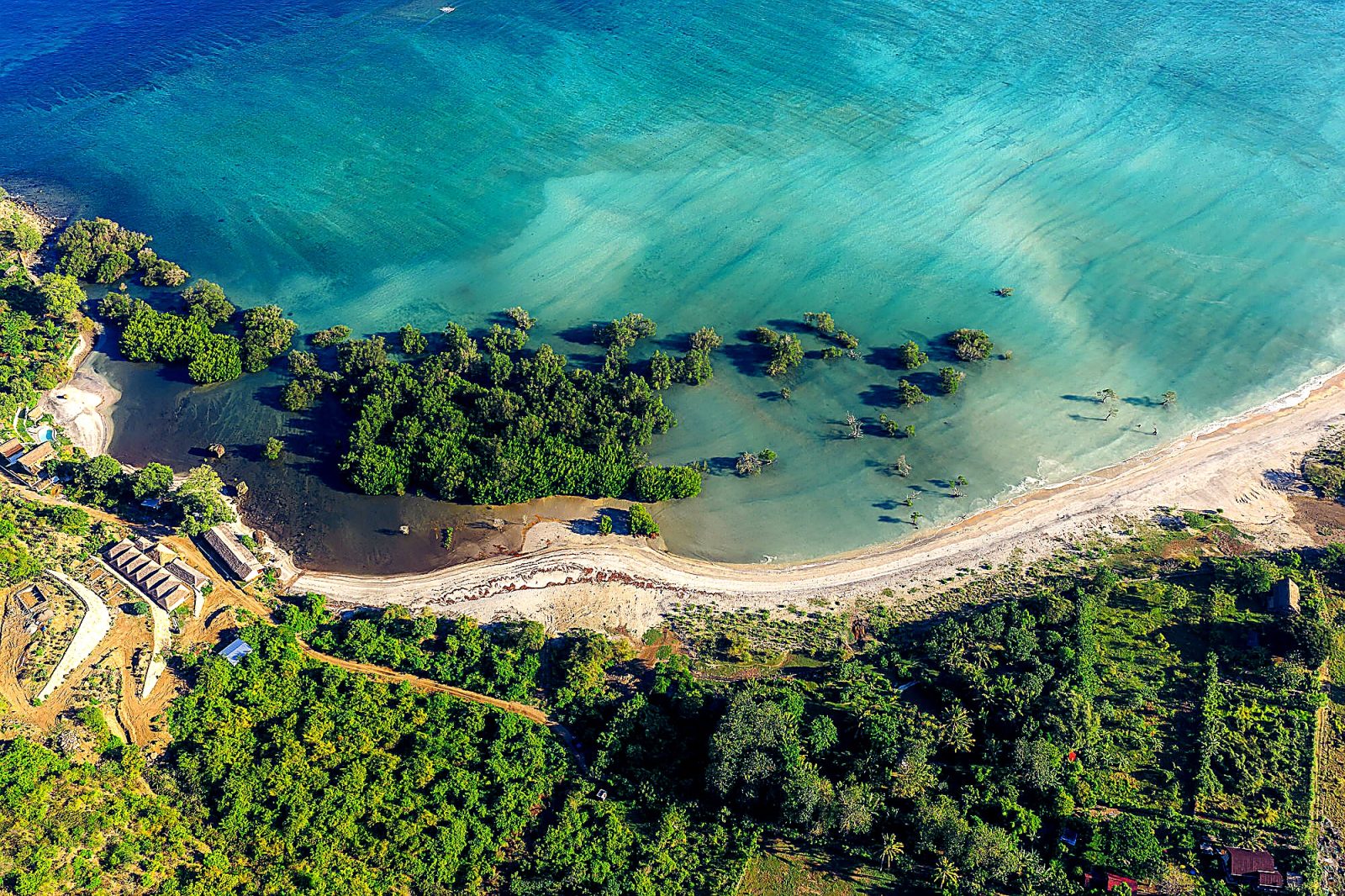
BALI & LOMBOK: THE UNLIKELY WINNERS IN A WORLD ON EDGE
By Jamie McIntyre, Political Commentator – Australian National Review (ANR.news)
The world feels like it’s tilting again.
War drums echo louder between Iran and Israel. Oil routes tremble. Airlines watch fuel gauges like gamblers watching their last chips. And whispers of a global recession by mid-year are no longer fringe talk… they’re now entering mainstream discussion.
But while much of the Western world braces for impact, there’s a curious outlier quietly stepping into focus:
Bali. Lombok. Indonesia.
Not as victims of global instability…
but potentially as beneficiaries of it.
⸻
THE AVIATION SQUEEZE: WHEN EUROPE BECOMES A LUXURY
If conflict in the Middle East escalates, the first domino to wobble is not stocks.
It’s fuel.
And the first industry to feel it is the airline sector.
Long-haul routes become more expensive, more complex, and in some cases less viable. Insurance premiums rise. Fuel costs surge. Routes are cut or reduced.
For Australians, this creates a simple behavioural shift:
• Europe becomes harder to justify
• Middle Eastern transit hubs feel less secure
• Cost-of-living pressures already biting
So instead of cancelling travel altogether, many will adjust destination, not intention.
Bali becomes the logical substitute.
Closer. Cheaper. Safer flight paths. And increasingly, offering the same level of luxury that Australians once flew halfway across the world to experience.
Tourism doesn’t disappear in downturns.
It contracts inward.
And Bali sits perfectly positioned to absorb that shift.
⸻
FROM TOURISM TO MIGRATION: THE EXPAT FLOOD
Before COVID, Bali was primarily a holiday destination.
After COVID, it evolved into a lifestyle hub.
Now, it is becoming something bigger again:
a relocation destination for Westerners.
The profile of people moving to Bali and Lombok has changed significantly:
• Entrepreneurs
• Remote workers
• Online business owners
• Investors seeking lifestyle leverage
This is not a low-income migration trend.
This is a capital migration trend.
People are not fleeing failure.
They are choosing efficiency and quality of life.
Sydney or Melbourne cost structures versus Bali living is no longer even comparable.
And what has been a steady trickle since COVID is now clearly accelerating.
If global economic pressure increases, that trickle could quickly become a flood.
⸻
DUBAI’S DECLINE, BALI’S RISE
For years, Dubai positioned itself as the global expat capital.
Low tax. High income. Prestige.
But several realities are now weighing on that model:
• Increasing geopolitical risk in the broader region
• Rising costs
• Extreme climate conditions
• A transient population lacking deep cultural roots
Dubai has always been a place to earn money, not necessarily to build a long-term lifestyle.
Bali and Lombok offer the opposite proposition:
• Natural beauty
• Strong culture and community
• Lower cost base
• Increasing high-end infrastructure
And importantly, they are perceived as being further removed from global conflict zones.
As uncertainty rises, people don’t just chase opportunity.
They seek stability and liveability.
That shift favours Indonesia.
⸻
THE ENERGY REALITY: AUSTRALIA VS INDONESIA
This is where the situation becomes more serious for Australia.
Australia imports approximately 90% of its fuel and refines only around 10% domestically. It sits at the end of the global supply chain.
In contrast, Indonesia has taken steps to secure energy routes and is increasingly aligned with blocs like BRICS, while also benefiting from strategic positioning near key oil transit routes such as the Strait of Hormuz.
If global supply disruptions intensify, Australia faces:
• Higher fuel prices
• Potential shortages
• Increased economic pressure
Indonesia, by comparison, may experience relatively more stability at the consumer level.
And energy stability feeds directly into:
• Tourism
• Construction
• Cost of living
• Economic resilience
⸻
THE BIG PICTURE: CRISIS CREATES SHIFT
If we see a continued Iran–Israel conflict, combined with a global downturn, several behavioural shifts are likely:
1. Travel distances shorten
2. Migration increases to lifestyle-friendly economies
3. Capital seeks lower-cost, higher-quality living environments
And where do these forces intersect?
Bali and Lombok.
⸻
FINAL WORD
The next global downturn, if it arrives, is unlikely to look like the GFC.
Australia may not have the same tailwinds it once did.
But in that same environment, Indonesia — and particularly Bali and Lombok — could emerge as unexpected winners.
Not because they are immune to global instability…
but because they offer something increasingly scarce:
Affordability, lifestyle, and strategic positioning in a changing world.
And in times of uncertainty, those three factors don’t just attract attention.
They attract movement.












Leave a comment