


Topline
Federal student loan borrowers who have auto-pay set up can pay 1% less in interest each month through 2028, the Education Department announced Thursday, offering some relief to borrowers as major changes to the student loan repayment process take effect.
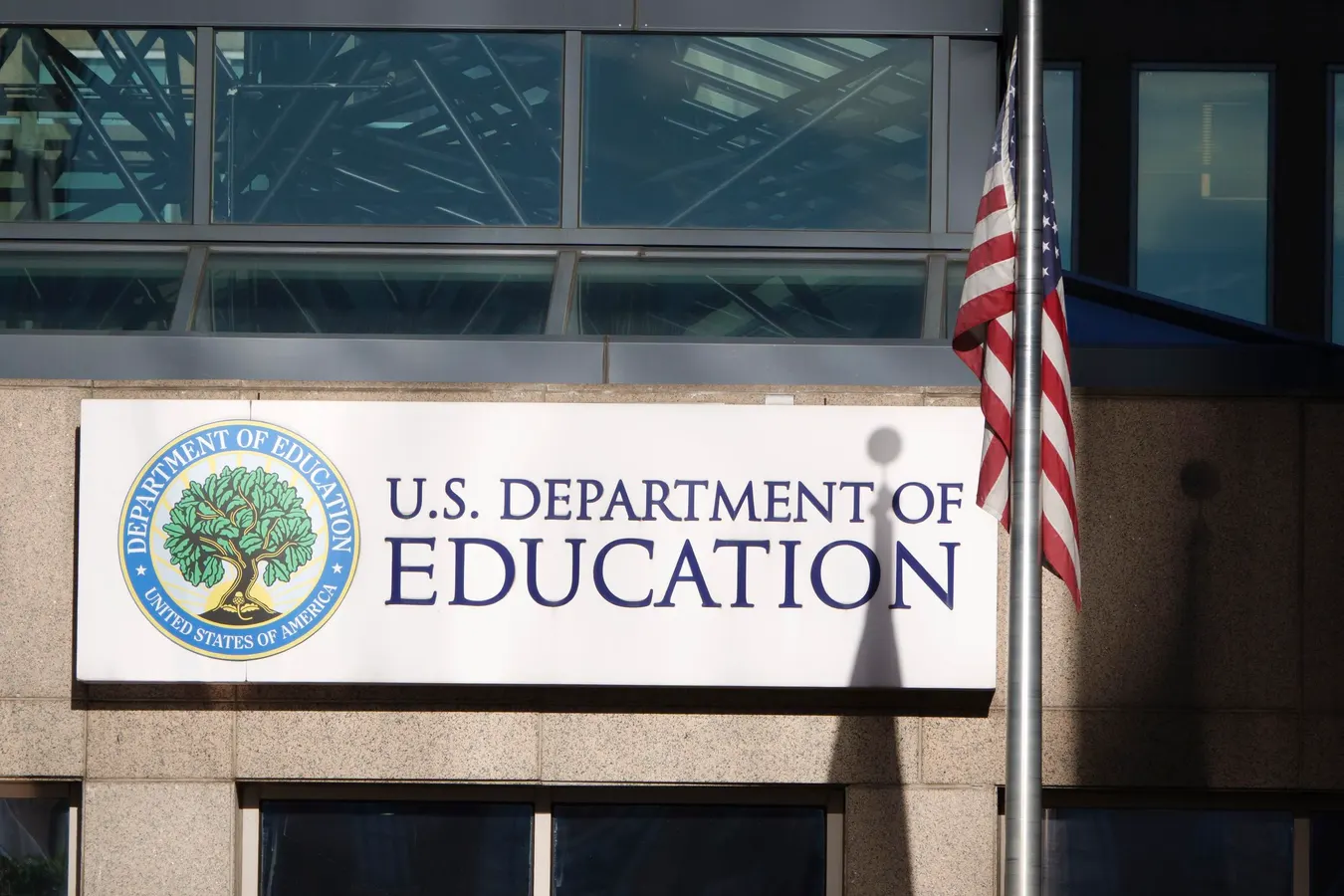
A U.S. Department of Education sign is displayed outside of the agency’s federal student aid office on June 3 in Washington, DC.
Getty Images
Key Facts
Borrowers will be eligible to have their interest lowered by 1% on their monthly student loan payments starting July 1, if they are already enrolled in auto-pay—which automatically deducts payments from a borrower’s bank account—or enroll in it before Sept. 30.
The rate cut will last until June 30, 2028, and borrowers who have loans that originated after July 1, 2012, are eligible.
Both student and parent borrowers can enroll in auto-pay, but those who have defaulted on their loans and are not in repayment, or are still on the defunct federal SAVE plan, will have to apply for a new repayment plan before they can enroll.
Making automatic loan payments already results in borrowers receiving a 0.25% discount on their interest, so the new announcement will further lower that rate by another 0.75 percentage points.
The new cut will take effect alongside a host of new changes to the federal student loan program that were passed in the federal government’s “One Big Beautiful Bill” last year, which most notably established new repayment plans for those who take out new federal loans.
Borrowers with existing student loans will be able to continue on the same programs they’ve already been using if they want, but new borrowers will have to choose between a standard repayment plan or the income-based Repayment Assistance Plan (RAP) starting July 1.
Who Is Eligible For The New 1% Interest Cut?
Those who already use auto-pay don’t have to do anything to get the additional deduction, which will apply automatically as long as they remain using auto-pay. The auto-pay benefit will apply broadly to borrowers in repayment with federal loans originating after July 1, 2012. That includes people who already use auto-pay and those who don’t use it yet, but set it up before the end of September. Borrowers on the SAVE plan can enroll in auto-pay after they enroll in a new repayment plan starting July 1, and if borrowers are in default on their loans, they can consolidate their eligible loans and then apply for a new repayment plan. They can then enroll in auto-pay.
Surprising Fact
While more than 80% of federal borrowers used to use auto-pay, that share has declined to 40% since the COVID-19 pandemic, the Education Department said Thursday.
What Other Student Loan Changes Are Coming?
A slew of new changes to federal student loans on July 1, most notably establishing the Repayment Assistance Plan (RAP), which replaces income-driven repayment plans. Under RAP, borrowers’ monthly payments will still be calculated based on their income, but they will have to make payments for 30 years before the remaining loans are forgiven—up from 20 or 25 years under previous plans. RAP will be the only income-based repayment option that borrowers have after July 1, but they can also use a standard repayment plan and pay back their loan at a fixed rate each month. The new plans will only be mandatory for new borrowers. Other changes to student loans under last year’s spending bill include establishing new caps on federal student loans, adding new restrictions for Pell Grants, placing new limits on loans being in forbearance and getting rid of rules that allowed borrowers to defer payments due to unemployment or economic hardship. Separate from the changes through the spending bill, the Trump administration is also set to enact new restrictions on the Public Service Loan Forgiveness program starting July 1, which will restrict loan forgiveness for borrowers working at nonprofits that don’t align with the government’s policy agenda.
Key Background
Federal student loans, which impact more than 42 million borrowers nationwide, have become a key political issue over the years, as Democrats have pushed for programs that would erase student debt. The Biden administration took a number of incremental steps on student debt relief, but the sweeping forgiveness plan at the heart of its agenda was ultimately struck down by the Supreme Court after Republicans challenged it. The Trump administration has taken a much less charitable position on student loans, with Education Secretary Linda McMahon saying last year, “American taxpayers will no longer be forced to serve as collateral for irresponsible student loan policies.” In addition to the changes passed through President Donald Trump’s “Big Beautiful Bill,” the president also ordered the federal student loan portfolio to move to the Small Business Administration, though most student loan activity, other than defaulted loans, is still under the Education Department for now. The Trump administration also resumed debt collections on defaulted student loans last year after they had been paused amid the COVID-19 pandemic, a move that was expected to impact millions of borrowers.
Further Reading
U.S. Department of Education Announces Student Loan Interest Rate Reduction (Department of Education)
How Trump’s Spending Bill Will Impact Your Student Loans—As It Heads To President For Signature (Forbes)
3 Big Dates For Student Loans Are In Just Weeks As Reforms Take Effect (Forbes)
Education Department Updates Key Student Loan Guidance In Advance Of Huge July Changes (Forbes)











Leave a comment