


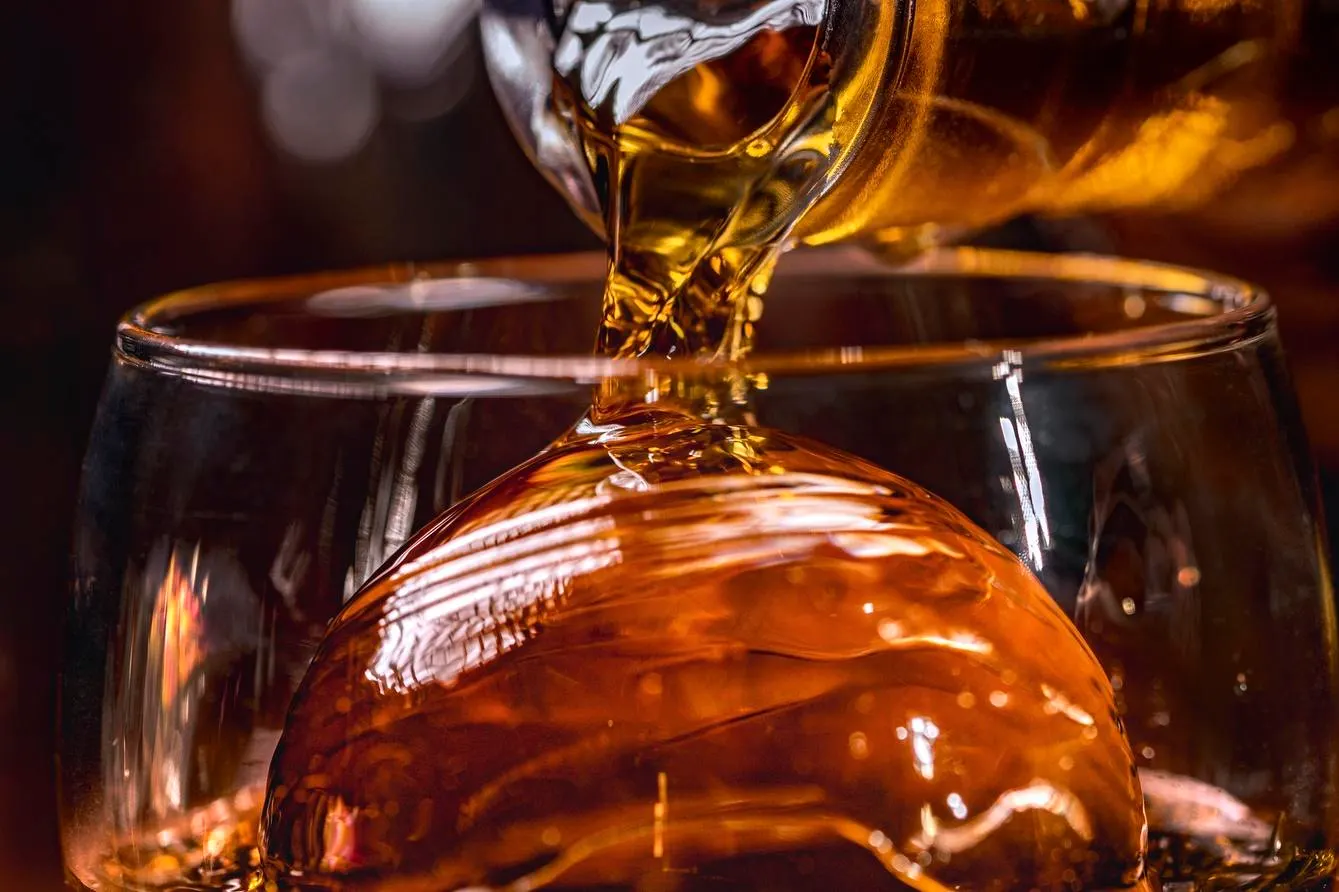

As moderation reshapes drinking culture, consumers are increasingly moving between premium alcohol and sophisticated no-alcohol serves – a behavioural shift known as “zebra striping.”
getty
In the winter of 1920, the United States entered Prohibition in the United States after years of campaigning by temperance groups who believed alcohol sat at the root of many social ills. Yet banning drink did not eliminate the appetite for it. People simply adapted, finding new ways to keep drinking because the desire itself had not disappeared, it had merely changed shape.
A century later, something equally curious is playing out in reverse.
Walk into a fashionable bar in Manhattan, London or LA and, at first glance, you could easily conclude that younger consumers are steadily falling out of love with alcohol altogether. They are checking calorie counts, paying closer attention to sleep and recovery (and presumably fearing that three glasses of wine may well collapse their entire dopamine system) and then ordering zero-proof drink that serves with a confidence that would have felt unusual even a decade ago. Across many mature markets, the data appears to support that shift, with global alcohol volume consumption continuing to soften.
And yet, the spending tells a rather different story.
The global premium spirits market is projected to reach $810 billion by 2033, revealing a contradiction that deserves far more attention than it usually receives: people may be drinking less by volume, but they are spending significantly more on what they do choose to drink. That contradiction begins to look far less puzzling once we stop viewing modern drinking through the old binary lens of drinker versus non-drinker, because increasingly that distinction tells us very little about how people actually behave.
One of the more revealing patterns to emerge from the category is something known as zebra striping, a perhaps inelegant term, but a quick phrase to show the shift in highly intelligent consumer behaviour. A person orders a beautifully made mezcal cocktail to begin the evening, switches to a sophisticated 0.0% botanical serve for the next round, and perhaps returns to wine later with dinner. The point is not indecision, nor contradiction. It is choice, control and fluidity.
That, perhaps more than declining alcohol volumes, tells us what is really changing.
I am not sure if we are at an inflection point purely that people are drinking less, to me this is a story about people drinking very differently.
For decades, the drinks industry operated on a rigid binary assumption: you were either a drinker or the driver. The life and soul of the party, or the sober companion quietly nursing sparkling water. But human behaviour is rarely that neat.
Treatonomics
What the data increasingly shows is a far more deliberate, rhythmic pattern of consumption, particularly among younger consumers. Around 30% of Gen Z are now practising what has become known as zebra striping. They go out and order a hyper-premium single malt Scotch, savouring the ritual as much as the drink itself. Then, when the second round comes, they are not reaching for tap water or a cheap soft drink. Instead, they order a complex, 0.0% drink, often at the same price point.
Less perhaps a sobriety shift – and more about ‘treatonomics’.
When an unpredictable economy makes bigger luxuries, a weekend away, a long-haul holiday, even the prospect of buying property, feel increasingly out of reach, people do not stop wanting luxury. They simply recalibrate it. Luxury becomes smaller, more intentional and easier to justify.
A $200 bottle of high-end añejo tequila starts to feel less like excess and more like an attainable indulgence.
That may help to explain why premium spirits brands are not retreating in the face of no-and-low. They are leaning harder into everything that makes their category feel elevated. The tableside cocktail trolley, custom ice carvings and multi-sensory aromatics are doing far more than adding theatre to the serve. They act as psychological anchors, reinforcing a sense of occasion and proving worth.
Consumers, in other words, are paying a premium for the feeling of sophistication and something that extends well beyond the ethanol itself.
Cheers To A New Era
The Balvenie limited-edition collection artwork: The Balvenie’s collaboration with artist Victo Ngai reflects a growing premium spirits strategy: selling not just liquid, but craftsmanship, ritual and the creative power of time.
The Balvenie
The old defensive playbook for spirits brands was relatively simple: ignore the no-and-low movement, dismiss it as niche, or treat it as a temporary threat to be outlasted. That strategy now feels increasingly outdated.
The more sophisticated response has been far more interesting. Rather than fighting the non-alcoholic wave head-on, many premium brands are choosing to expand the definition of luxury itself, ensuring they remain relevant whether the consumer is drinking alcohol, moderating, or moving fluidly between both.
Some are launching ultra-premium zero counterparts. Others are doubling down on something harder to imitate: heritage, craftsmanship and ritual.
The Balvenie offers a useful example here. Its recent limited-edition collaboration with Forbes 30 under 30 artist Victo Ngai was not really about packaging alone. It was an unusually clear expression of what premium spirits increasingly understand they are selling. The collection centred on a simple but powerful idea: time as a creative force. Across four seasonal artworks – spring, summer, autumn and winter, the whisky was positioned not merely as a drink, but as the product of patience, maturation and deliberate craft.
An 18-year-old whisky carries something no fast-moving consumer brand can easily manufacture at speed: genuine time. Not simulated scarcity. Not artificial urgency. Real waiting, maturation, patience and a great talking point.
The modern consumer is not necessarily rejecting alcohol. Nor are they chasing excess in the way previous generations often did. Increasingly, they want flexibility. They want the freedom to order a premium cocktail one round and a zero-proof serve the next without feeling they have stepped outside the occasion.
Zebra striping ultimately reveals something much bigger than a drinks trend. It points to a broader shift in modern luxury.
Value is no longer measured purely by quantity or volume consumed. It is increasingly judged by curation, intention and whether the experience feels worthy of our time, money and attention.











Leave a comment