


Sports documentaries have become one of the hottest commodities in entertainment. But as demand for sports documentaries continues to grow, so does the competition for the intellectual property that makes those stories possible.
What began as an occasional behind-the-scenes look at a championship team or legendary athlete has evolved into a major content strategy for streaming platforms competing for subscribers in an increasingly crowded market. Projects such as America’s Sweethearts: Dallas Cowboys Cheerleaders, Quarterback, Welcome to Wrexham and countless athlete-driven productions have demonstrated that audiences are eager for sports stories that go beyond the final score.
The trend shows no signs of slowing. Fresh off the New York Knicks’ first NBA championship in more than five decades, filmmaker and longtime Knicks fan Ben Stiller confirmed that he is producing a documentary series for HBO and A24 chronicling the franchise’s history and championship run. The project reportedly has the cooperation of the NBA, Madison Square Garden and the Knicks organization, underscoring a growing reality within sports media: Major victories are no longer just celebrated; they are quickly transformed into valuable IP assets.
How ‘The Last Dance’ Laid The Foundation For Sports Documentaries Now
The blueprint for this modern documentary gold rush can be found in The Last Dance. The success of The Last Dance is often attributed to its compelling portrayal of Michael Jordan and the Chicago Bulls dynasty. However, the project itself was the product of years of negotiations, rights clearances and strategic dealmaking.
At the center of the documentary was a unique asset: more than 500 hours of behind-the-scenes footage captured during the Bulls’ 1997–98 championship season. An NBA Entertainment crew filmed under an arrangement that gave the league ownership of the recordings, but any future use required the cooperation of key stakeholders, including the NBA, the Chicago Bulls organization and Jordan himself.
For years, the footage remained largely untouched despite interest from filmmakers and broadcasters.
The breakthrough came when producers secured a structure that aligned the interests of all parties involved. The NBA licensed access to its archival footage, Jordan agreed to participate in extensive interviews and provide approvals necessary to move the project forward, and ESPN partnered on financing and distribution. Even then, the production faced significant challenges. Producers had to sift through hundreds of hours of video, clear historical game footage, photographs, music rights and third-party appearances, while also balancing the competing interests of players, coaches, league officials and other individuals featured throughout the series.
The result was more than a successful documentary. It became a case study in the value of sports media rights. The Last Dance demonstrated that in modern sports storytelling, the most valuable asset is often not simply the subject matter itself, but the ability to secure and assemble the complex web of intellectual property rights, archival materials and personal participation necessary to bring a story to the screen and provide fans with direct, authentic access to their athletic idols.
That lesson has not been lost on the sports industry.
The Brand Benefits From Sports Documentaries
Across professional sports, organizations are increasingly treating their archived content as premium assets rather than mere archival records, and materials that once sat in storage are now being licensed, packaged and monetized as demand for sports content continues to rise. For example, NFL Films holds a landing page to request archived footage, both for current/former players and non-players, all at a premium cost. While not exclusive to the NFL, this exemplifies how documentary production has become a meaningful extension of broader media and brand strategies, as major brands increasingly view documentary content as a powerful marketing tool that can create deeper audience engagement. Companies like Nike, Adidas and Red Bull have long invested in athlete storytelling, but documentaries offer something more valuable: the ability to build brand affinity through authentic narratives rather than commercials, and a successful documentary can strengthen athlete partnerships.
As brands become more involved in financing and producing sports content, IP negotiations grow more complex. In addition to athlete likeness rights and media licenses, parties must often address trademark usage, sponsorship rights, distribution rights and ownership of newly created content. Increasingly, sports documentaries are not just entertainment products; they are strategic brand assets.
The IP Rules Are Impacting Athletes And Streamers
Athletes are also playing a different role than they did a decade ago. Rather than serving solely as documentary subjects, many now enter negotiations as business partners, producers or owners of valuable content libraries – like social media video, podcasts and more. Tom Brady’s 199 Productions partnered with ESPN Films and Religion of Sports to produce the sports documentary Man in the Arena, a series focused on Brady’s career with the New England Patriots as told from Brady’s first-hand account. Other notable examples include LeBron James’ SpringHill Company (now Fulwell Entertainment) and Steph Curry’s Unanimous Media, which have ventured into scripted content and recently produced hits like the Sony Pictures animated film Goat.
As athlete-owned production companies become more common, studios and streaming platforms increasingly find themselves negotiating not only for participation, but also for access and co-branding opportunities.
The growing importance of IP is changing the economics of sports documentaries. A single project may require rights to game footage, photographs, music, trademarks, social media content and athlete likenesses, all of which may be controlled by different parties. As a result, some of the most significant negotiations occur long before cameras begin rolling.
For streaming platforms, these negotiations have become part of a larger race to secure exclusive content that competitors cannot easily replicate. Original sports documentaries offer something particularly attractive in today’s media environment: highly engaged audiences, global distribution opportunities and content that can remain relevant (and highly adaptable) long after a sporting event has ended. Unlike live broadcasts, which disappear once the game is over, a successful documentary can help build a media ecosystem that generates value for years.
The result is a marketplace where control of intellectual property has become one of the industry’s most valuable competitive advantages. The production companies, leagues, athletes and brands that control the most desirable footage and storytelling assets increasingly hold the leverage in negotiations, while producers and distributors continue searching for the next story that can capture the public’s attention.
As the sports documentary boom continues, the industry’s biggest battles may have less to do with creative vision and more to do with ownership. Behind every successful series is a network of rights, licenses and strategic partnerships that determine who gets to tell the story, who controls its distribution and ultimately, who profits from it once the credits roll.

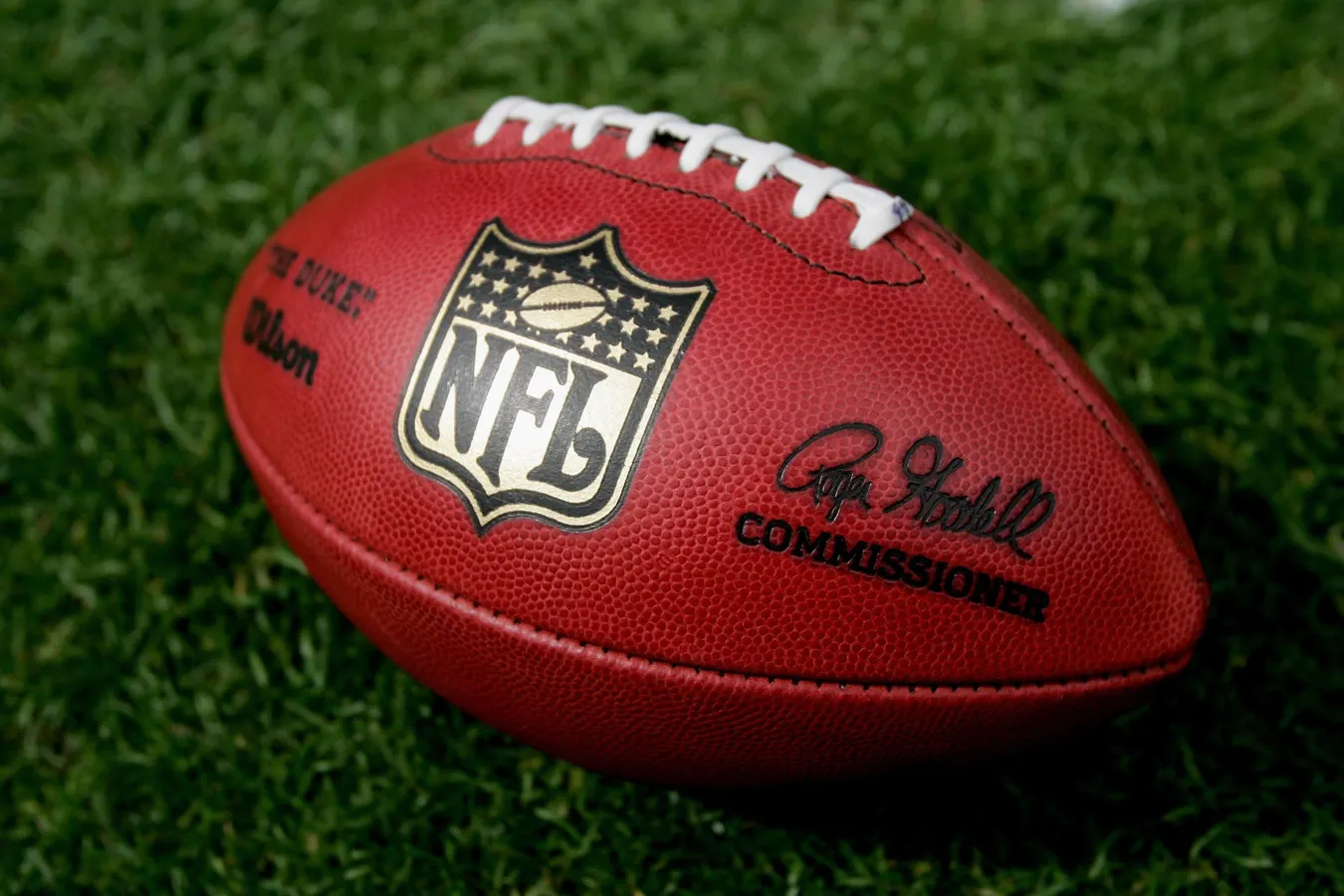
DENVER – SEPTEMBER 16: A close up of the official NFL ‘The Duke’ game ball complete with commissioner Roger Goodell’s signature as the Denver Broncos defeated the Oakland Raiders 23-20 in overtime during week two NFL action at Invesco Field at Mile High on September 16, 2007 in Denver, Colorado. (Photo by Doug Pensinger/Getty Images)
Getty Images













Leave a comment