


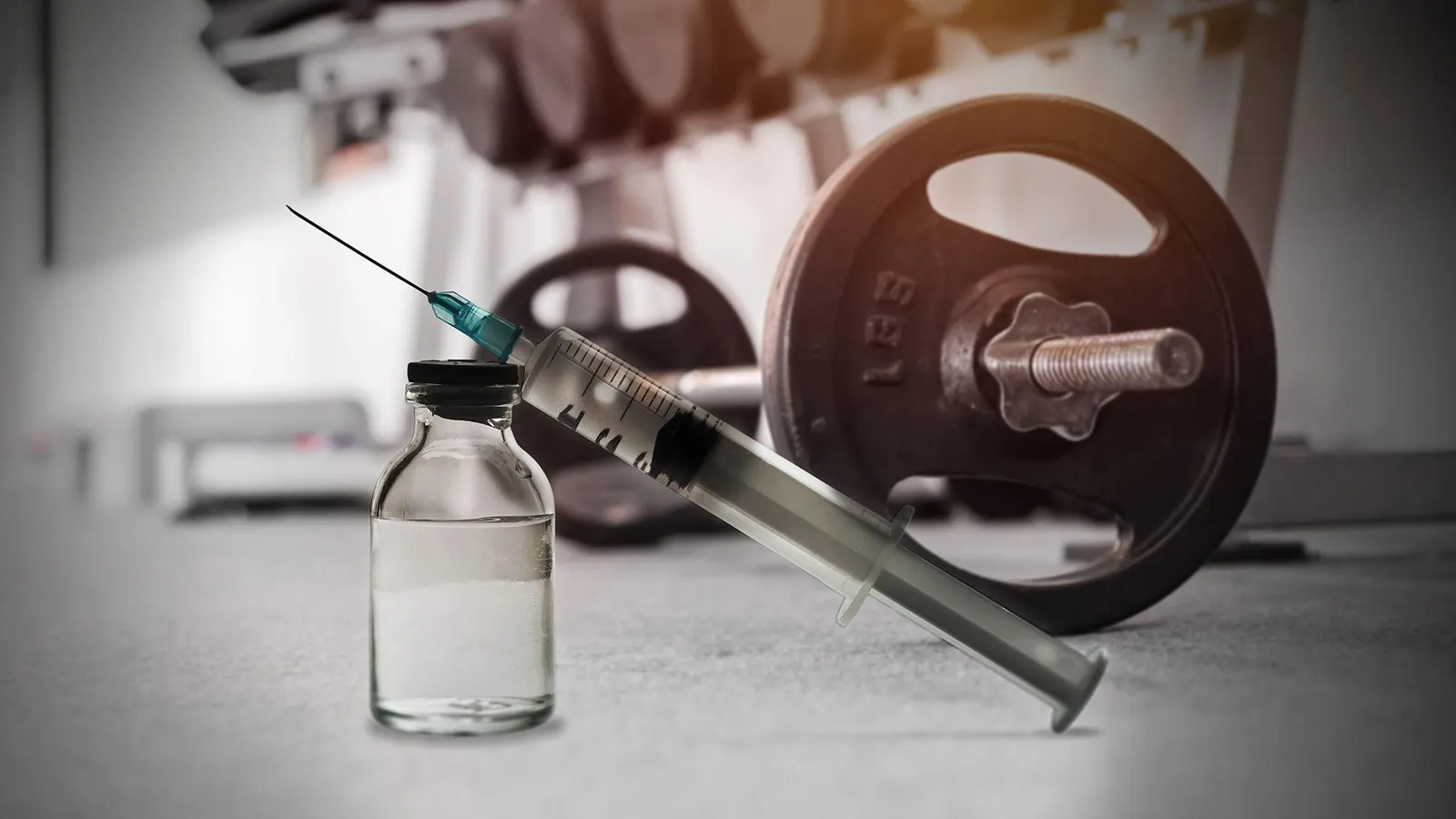
Sarah Keese knew within seconds after injecting the peptide sermorelin into her stomach that something was wrong. Flushed and lightheaded, she cried out to her boyfriend for help. As Keese walked toward him, she fell to the ground, unconscious.
The next thing Keese remembers is being carried into the emergency room at the hospital in Sheridan, Montana. She later learned that her heart rate had slowed to 20 beats per minute, her blood pressure had crashed, and she had stopped breathing briefly after suffering a severe allergic reaction to the gray-market peptide. “If I had not been in the ER, I would have died absolutely,” says Keese, 35, an engineer now based in Anchorage, Alaska.
Keese was given epinephrine, then flown by medical helicopter to a larger hospital in Missoula, Montana, for more treatment and observation on July 3, 2025. That landed her with an $80,000 medical bill and a series of follow-up visits to a cardiologist to check on an irregular heartbeat triggered by the anaphylactic shock. She’s now sworn off peptides.
Sarah Keese
Courtesy Sarah Keese
Sermorelin was approved for sale by the FDA in 1997 to treat children with slow physical development. It stimulates the pituitary gland to produce human growth hormone. Sold under the name Geref, the drug was discontinued by its creator EMD Serono in 2008 for commercial reasons. Now, sermorelin and a group of similar peptides have seen a surge in popularity among fitness fans, who claim their ability to stimulate the body’s natural growth hormone can supercharge building muscle, shredding fat and speeding injury recovery.
But the family of peptides that sermorelin belongs to, known as “secretagogues,” poses a risk of triggering allergic reactions. Forbes interviewed five people, including Keese, who experienced such reactions after taking secretagogues. Dozens of others have shared similar accounts on social media. Without testing what Keese and the other peptide users took, it’s impossible to know whether their reactions were a side effect of the drug, or caused by other ingredients or contaminants.
Peptides are a large category of amino acid-based drugs that include legal ones, like GLP-1 weight-loss medications and insulin. More and more people are experimenting with loosely regulated peptides like secretagogues, which have become a hit among workout enthusiasts looking for an edge to train harder and look better. But there’s little scientific data on their safety or efficacy, and the FDA has not approved them for weight loss or workout recovery.
These drugs are now readily available on the internet from sketchy sellers who hawk them with little oversight. In this shadowy online bazaar, which could be worth as much as $4 billion, peddlers exploit a loophole in the law under which peptides can be sold for “research purposes.”
“The safety and efficacy are unknown, so why would you want to be putting something like that in your body?”
Jack Ryan, 19, who publishes research about peptides on his site PeptidePrices, says that he now tracks nearly 1,000 online storefronts. As of September 20, 526 of them were selling sermorelin and 714 were selling tesamorelin, a related peptide that has also caused allergic reactions. (PeptidePrices also accepts affiliate links from sellers.)
Purchasing online peptides is a dice roll. Fitness enthusiasts who buy gray-market drugs online don’t know what they’re getting. The pharmaceutical ingredients in them are research-grade, meaning they’re not permitted in human drugs. There’s no guarantee that what people are buying is what it claims to be, or whether they’re injecting themselves with concoctions laced with unknown and possibly dangerous ingredients. Making sense of their safety is even more complex for the peptide fans who take them “stacked,” using multiple gray-market drugs at the same time in the belief this will increase their benefits.
It’s common for FDA-approved drugs to have risks, which doctors and patients balance against their benefits for treatment of disease. But people who inject gray-market peptides accept unknown risks without a proven health benefit.
“The safety and efficacy are unknown, so why would you want to be putting something like that in your body?” says Dr. Thomas Kremen, a sports medicine doctor at UCLA Health who works with both amateur and pro athletes, including at the L.A. Lakers and L.A. Chargers.
Kremen recently published a survey of the clinical literature on six popular peptides, including a secretagogue called ipamorelin. He found potentially concerning safety issues and little evidence of effectiveness. With people relying on social media for information, he says, peptides may be “more marketing than science.”
As bootleg drugs have flooded the market, regulators are trying to figure out how to stop them. On August 24, the FDA sent warning letters to a number of peptide sellers, such as Peptide Partners LLC, Peak Performance Peptides and NuScience Peptides LLC, citing “significant violations” of safety rules for distributing illicit peptides like tesamorelin. None of the companies responded to a comment request. “These products are especially concerning from a public-health perspective because injectable drug products can pose risks of serious harm to users,” the letters state. States like Ohio are also starting to crack down. But to date, it’s been a game of whack-a-mole.
Keese first used sermorelin in 2022 after a doctor prescribed it to her off-label to help with her recovery from a serious car accident. She felt that the peptide had helped and turned to it again in June 2025 for a different purpose: to help her hit her gym goals. Her boyfriend, Ryan Goede, was already taking sermorelin to stay in shape, so Keese placed her own order with the site he used, called PeptiLab. (Compounding pharmacies can make sermorelin legally; tesamorelin is not approved for compounding.)
PeptiLab’s website is now offline. It published a statement earlier this year that it was no longer selling to residents of the United States. Keese said the site offered no warnings about possible side effects like allergic reactions. Archived versions of the PeptiLab website state that it only sold peptides for “research purposes.” Corporate entities linked to PeptiLab did not respond to comment requests.
“I got lucky in many respects that I had people around me and that the ER was just four blocks away.”
The gray market for the secretagogues, so called because they stimulate the body to secrete another substance, is smaller than for more popular peptides, like BPC-157. But the family of drugs, which includes sermorelin, tesamorelin, ipamorelin and several others that go by alphanumeric codes like CJC-1295, is increasingly being pushed by major influencers. Podcaster Joe Rogan has talked about using ipamorelin as part of his supplement regimen. Health podcaster Andrew Huberman, who has more than 7.4 million YouTube subscribers, has talked about experimenting with tesamorelin to help him sleep.
Keese didn’t experience a significant reaction immediately. After two shots of sermorelin in late June 2025, her skin was itchy and irritated. “The third time, I went straight into anaphylactic shock,” says Keese. “I got lucky in many respects that I had people around me and that the ER was just four blocks away.” Her insurance covered most of the costs, but she was still left with around $4,000 in medical bills.
Keese is an avid fitness enthusiast and volunteer firefighter. She says she won’t use peptides again after taking sermorelin landed her in the ER.
Courtesy Sarah Keese
Keese’s experience of minor allergy symptoms followed by a major reaction isn’t unique.
Columbia, Maryland-based molecular biologist and “longevity consultant” Kristi Sawicki, 60, said she’d previously taken ipamorelin but last year decided to try sermorelin to help her with her health goals. “It helps with deep sleep, muscle repair, skin and collagen building. All the things that people in midlife are looking for,” says Sawicki, who runs a side hustle called Longevity With Kristi advising women on which peptides to take.
Sawicki had been taking the sermorelin she ordered in March 2025 from telehealth provider Joi + Blokes for around two months when she also started to get skin irritation after her injections. Then one evening, she sat down for a glass of wine after injecting herself with the peptide. “Within 20 minutes my full torso and face was red and severely itching and I had an almost labor-like pain,” says Sawicki, who works at a scientific instrument company. The symptoms subsided after she took several antihistamine tablets and Advil.
Joi + Blokes’ website carries a safety note on its listing for sermorelin that “some drugs may include compounded products that have not been approved by the FDA” and that it is “not prescribed for performance-enhancement purposes.” A 2023 blog post from Joi + Blokes cofounder and CEO Joshua Whalen noted that severe allergic reactions were a rare side effect of sermorelin. In June, Joi + Blokes received a warning letter from the FDA regarding significant violations related to “false and misleading claims” about the GLP-1 drugs it was selling. Joi + Blokes said by email that it takes product safety “seriously” and is “reviewing” the issues raised by Forbes, but declined further comment.
David Jeffers had a similar experience with the peptide tesamorelin. He first heard about peptides on TikTok and Instagram around a year ago and tried BPC-157, which he says helped him pile on muscle and reduced the aching in his joints he’d picked up from working as a chef. (BPC-157 is one of six peptides on which an FDA advisory panel voted to ease compounding restrictions.)
He started to hear about a peptide “tesa,” which influencers claimed could further boost muscle growth and reduce fat. Tesamorelin is FDA-approved under the name Egrifta for the reduction of excess deep stomach fat in adults who have an HIV-associated condition. Its maker, Theratechnologies, warns that severe allergic reactions are a rare but known side effect (Theratechnologies did not respond to a comment request).
“The guys in the ambulance were like: ‘I’m on peptides as well.’”
In March, Jeffers decided to order a vial of tesamorelin for $80 from a nurse friend who had a side hustle selling peptides. He used it on and off for months. Then one day in June, after injecting himself with tesamorelin in the thigh at his home in Santa Barbara, California, he knew within seconds that he needed help.
He called his parents, and his mother arrived just in time to see him collapse to the bathroom floor. “She saw me fall to the ground and smack my head on the ground. I went completely out,” says Jeffers, 42. “My dad thought that I was dead because I wasn’t responding to anything and when I woke up the ambulance was there.”
The EMTs took Jeffers to the emergency room at Santa Ynez Valley Cottage Hospital, where he was diagnosed and treated for a severe allergic reaction. “The guys in the ambulance were like: ‘I’m on peptides as well,’” he says. That brush with bootleg peptides left the chef with a $6,000 medical bill. Now he stays away from secretagogues — but not other peptides.
On TikTok, Instagram and Facebook, peptide users swap tips in a blur of acronyms, medical jargon and code words. There’s “tesa” for tesamorelin, “reta” for retatrutide, Lilly’s experimental weight-loss drug, and even the chili pepper emoji. All help evade algorithms that block the mention of some of these drugs.
Social media users themselves are aware that a lot can go wrong in the unregulated world of peptides. Health issues are often blamed on impure batches, contamination of the sterile liquids used to mix peptides or simply user error with overdoses and injection mistakes. What is less discussed is that peptides like secretagogues can trigger the immune system, resulting in allergic reactions.
There are other health concerns. Doctors who prescribe sermorelin typically check for elevated levels of a hormone known as IGF-1, which is associated with increased cancer risk. “Anything that increases human growth hormone can increase risks of cancer because they are proliferative disorders,” says Tenille Davis, chief advocacy officer at the Alliance for Pharmacy Compounding. “That would be my biggest concern as a pharmacist.”
But most fitness fans aren’t thinking about the risks or monitoring for them. “I think a big part of the interest in these ‘secretagogues’ is that they are much cheaper, and they are marketed to people who want to stay away from raw HGH [human growth hormone] and testosterone,” says Ryan, of PeptidePrices.
When the FDA advisory panel met in June to consider loosening the restrictions on compounding pharmacies’ production of seven peptides, online fans of the gray-market drugs began referring to it as “Peptide Liberation Day.” Health and Human Services Secretary Robert F. Kennedy Jr., who called himself “a big fan of peptides” on Rogan’s podcast, has been pushing for loosened restrictions. But tesamorelin was not included in the FDA’s vote.
Keese had a second brush with the little-known side effects of secretagogues. Just a week after her own incident, Goede injected another dose of sermorelin and developed his own allergic reaction. “He was able to take Benadryl to knock it down but we were in the car on the way to the hospital,” she says. “You would have thought he would have learned after pretty much seeing me die in the ER.”















Leave a comment