


Five weeks after Boston Legacy FC and Denver Summit FC first took the field as the National Women’s Soccer League’s 15th and 16th teams—and five months after Atlanta was granted the rights to become the 17th—the league is expanding again.
On Tuesday, commissioner Jessica Berman announced that the NWSL was awarding a franchise to Columbus, Ohio, with the club expected to make its debut alongside Atlanta in 2028. The ownership group will be led by Haslam Sports Group, the holding company of billionaires Jimmy and Dee Haslam, which already controls MLS’s Columbus Crew and the NFL’s Cleveland Browns and has a minority stake in the NBA’s Milwaukee Bucks. Other investors include insurance giant Nationwide and Drs. Christine and Pete Edwards, who purchased a piece of the Crew with the Haslams in 2019.
“We’re really excited about adding more women’s sports into our portfolio,” says Haslam Sports Group managing partner Whitney Haslam Johnson, the daughter of Jimmy and Dee, noting that the group invested in the WNBA at the league level in 2022. “We have a lot of work to do—these businesses are somewhat like startup businesses—but 2028 can’t get here soon enough, and we can’t wait to watch these incredible athletes play.”
The terms of the agreement were not disclosed, but a person familiar with the deal tells Forbes that the new owners will pay a $205 million expansion fee, capping a spectacular run-up in the league’s entry price. Angel City FC and San Diego Wave FC are believed to have paid roughly $2 million in 2021, with the fee jumping to $53 million in 2023 for Boston Legacy FC and the San Francisco area’s Bay FC, $110 million in January 2025 for Denver Summit FC and finally to $165 million in November for Atlanta.
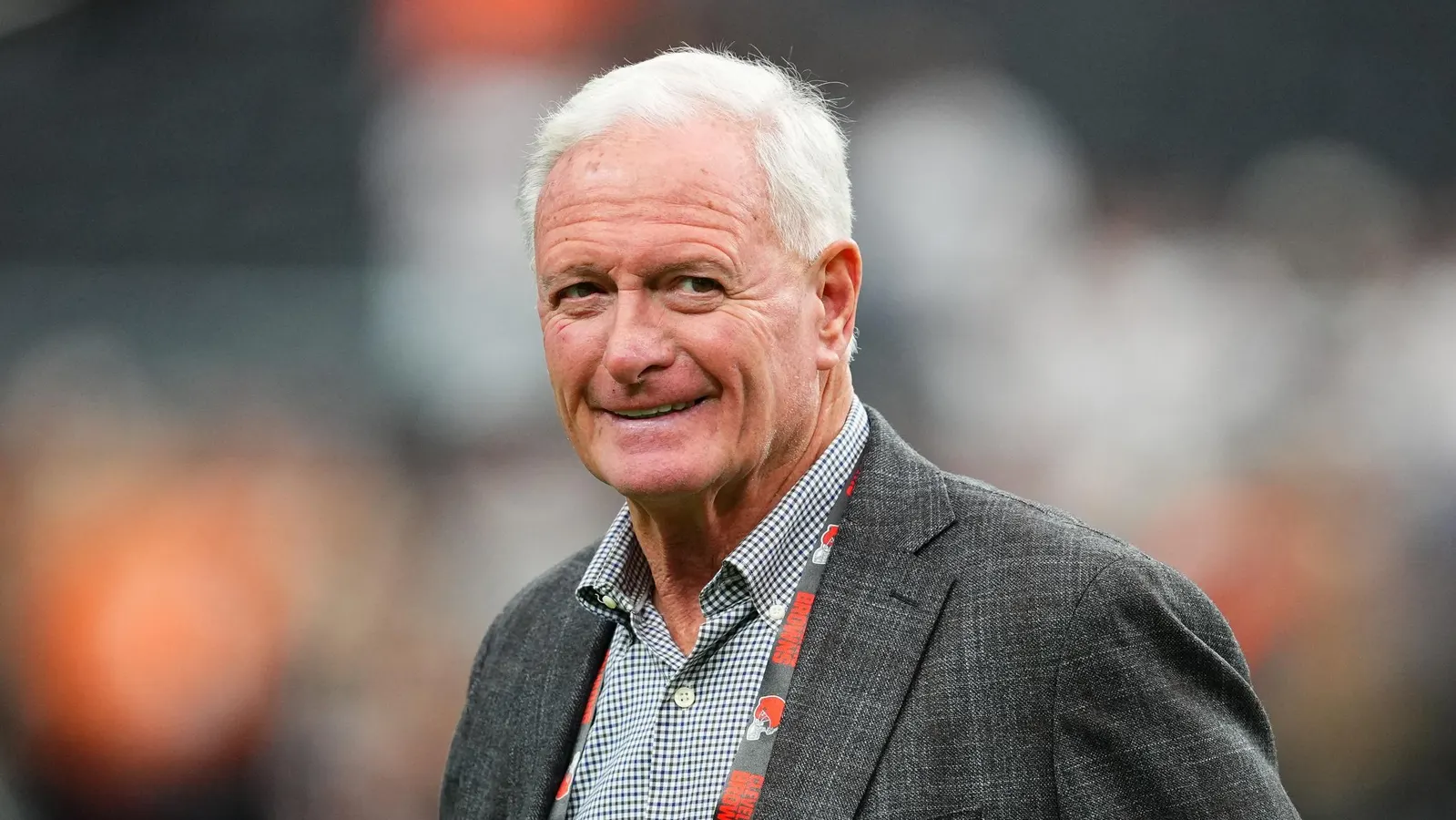
Dee Haslam is CEO and Whitney Haslam Johnson a managing partner at Haslam Sports Group, which invested in the WNBA at the league level in 2022 and “is really excited about adding more women’s sports into our portfolio,” Whitney says.
Jason Mowry/Icon Sportswire via Getty Images; Bruce Yeung/Getty Images
Factoring in spending on facilities and other startup costs, the Columbus group’s total investment is expected to be upwards of $300 million, according to a person familiar with the plans.
“If you look at [the rise in expansion fees] through a ‘first principles’ business lens, it shouldn’t be surprising—our revenue has grown significantly in the last four years, and we are only in our first real media rights deal,” Berman says. “On a more personal level, I try to take a step back and say, ‘Wow, this really has been an incredible chapter of growth,’ but there’s not much time to reflect back because the expectations of seismic growth are actually in front of us and people like the Haslams are investing because they believe that our best days are ahead.”
As the United States’ 32nd-largest metropolitan area, with a population the U.S. Census Bureau estimates at 2.2 million, Columbus wasn’t necessarily the most obvious candidate for expansion, especially considering the NWSL still hasn’t entered major markets including Dallas and Miami. (Fellow Ohio cities Cincinnati and Cleveland were contenders in the expansion round eventually won by Denver, and Nashville, Philadelphia and Phoenix suburb Mesa are among the other cities that have campaigned for franchises.)
However, relative to those other sports towns, Columbus has less competition for local fans—the Crew and the NHL’s Blue Jackets, whose season barely overlaps with the NWSL’s, are the only other major professional teams in the area—and it has a long history as an American soccer hotbed. The U.S. men’s and women’s national teams have regularly hosted matches in the city, which will also be the site of eight group-stage games for the 2028 Los Angeles Olympics, and the Crew are three-time MLS champions and the league’s eighth-most-valuable franchise, worth an estimated $805 million. Just last year, the Haslams got a sense of what is possible in the market when they sold a 10% stake in the Crew to existing investors at a reported $900 million valuation.
“Soccer is a really special sport where the community engagement and support are critical to the success of the team,” Berman says, adding that a surprising number of large companies are headquartered in Columbus and have backed the local sports scene. “I would encourage any of those folks [who question the NWSL’s choice of the city] to watch a Columbus Crew game on TV or to come to ScottsMiracle-Gro Field and see the way that they support soccer in this community.”
The selection of the Haslams under the NWSL’s new approach to expansion—a “rolling” process implemented in September to evaluate proposals as they arise, rather than solicit pitches in a defined round of bidding—checks off two other important boxes for the league.
First, the NWSL has made a concerted effort to bring in a new class of well-capitalized and well-connected owners. Steve Malik, who bought the North Carolina Courage in 2017, and John Neace, whose Racing Louisville was founded in 2019 but didn’t begin play until two years later, are the only current control owners who assumed their positions before 2020, and the years since have seen the arrival of billionaires Michele Kang (Washington Spirit), Bob Iger (Angel City FC), Lauren Leichtman (San Diego Wave FC) and Gail Miller (Utah Royals), along with Atlanta’s Arthur Blank, owner of MLS’s Atlanta United FC and the NFL’s Falcons. Meanwhile, the Orlando Pride’s Mark Wilf is co-owner and president of the NFL’s Minnesota Vikings, and Chicago Stars FC’s Laura Ricketts is a co-owner and board member for MLB’s Chicago Cubs.
Jimmy Haslam, who is the son of the Pilot Flying J truck stop chain founder James A. Haslam II and has a net worth that Forbes estimates at $10.3 billion, certainly fits that financial bill, and league insiders believe he will be able to use his influence with his NFL and MLS teams’ commercial partners to bolster his expansion club’s sponsorship business. (Nationwide, his new co-investor, has been a Crew partner since 2020, as well as a national NWSL sponsor since 2021.)
“As I look back on the last four years, [the new class of ownership] is probably the most meaningfully different circumstance that has led to the success of this league and really changed the growth trajectory,” says Berman, who was named commissioner in 2022 after working at the National Lacrosse League and the NHL. “It has been very intentional to bring in the kinds of owners who agree that this league can be one of the best leagues in the world—not just compared to women’s soccer but compared to any professional sports league—and we want owners around the table who are prepared to invest to make that a reality.”
The NWSL has also emphasized facilities in its recent picks for expansion, with Denver building a new home field set to open in 2028 and Boston renovating the city-owned White Stadium for 2027. The Kansas City Current, who privately financed the $140 million construction of CPKC Stadium, demonstrated the available opportunity when their new building opened in 2024. With the team suddenly able to benefit from revenue streams including naming rights and concessions and take better control of its scheduling—allowing it to pick more desirable dates and time slots, driving up ticket demand—the Current saw a $20 million revenue swing that regular season, to a league-best $36 million.
The Crew operate their stadium, ScottsMiracle-Gro Field, which opened in 2021 with support from taxpayers, and the Haslam group has again sought public funding toward renovating the venue to accommodate another home team as well as building a dedicated practice facility for the NWSL expansion club, which would open ahead of the 2028 season. In a 5-3 vote on Monday, the Columbus City Council approved a plan to use bonds and an additional 2% tax on tickets to events at the stadium to provide $25 million, with the tax set to remain in place in perpetuity as a revenue driver for the city. The Franklin County Board of Commissioners then approved another $25 million in subsidies in a vote on Tuesday.
NWSL commissioner Jessica Berman.
Amy Sussman/Getty Images
“This [expansion] process, as with all leagues, is extremely competitive, and having these types of partnerships and community support is a differentiator,” Haslam Johnson says. “The NWSL, like all leagues, wants to see that the fans, local businesses and key stakeholders are committed to the team’s success.”
The expansion franchise will immediately begin locking in additional money through a “founding member” program, giving fans who place a $28 deposit the first opportunity to buy season tickets for 2028.
The NWSL, which had eight teams for its first season in 2013, has had plenty of success with expansion teams to date. Angel City, which began play in 2022, was No. 1 in Forbes’ 2025 ranking of the NWSL’s most valuable teams, and Bay FC and San Diego Wave were Nos. 3 and 4 as they started their second seasons. This year, Denver and Boston have revenue targets that would put them in the top handful of NWSL clubs, and the Summit set a league attendance record with an announced crowd of 63,004 for their home opener in March. Meanwhile, Atlanta—which is two years from kicking off and hasn’t even announced a team name—has already signed a front-of-jersey sponsorship deal with Aflac for an average annual value of $4 million, according to Sportico.
That is great news for the rest of the NWSL because, as one league insider puts it, “we always think about expansion clubs as trying to represent the next stair step up, and bringing everybody up to meet them.” History shows that expansion doesn’t necessarily set the floor for franchise valuations in a league—for one thing, existing clubs may have challenging stadium situations or other baggage that can drag down their price tags—but the upward pressure from the rising fees was one key reason that Forbes valued NWSL teams at an average of $134 million in 2025. Just a few years earlier, even top clubs would sell for less than $5 million.
The new franchises are joining the NWSL at a buzzy moment, with sponsorship revenue and TV viewership surging. They are also lengthening the league’s schedule, with each club playing 30 regular-season games in 2026, up from 26 the past two years, which gives the NWSL more inventory to offer to partners as it approaches its next media rights cycle. The next broadcast package, which would begin in 2028, is expected to carry a significant price increase from the current deals’ reported average annual value of $60 million.
While Tuesday’s expansion announcement came a bit earlier than some observers had anticipated, Berman made clear immediately after announcing Atlanta’s winning bid in November that the league was already thinking about its 18th team. Previously, she has said she thinks the NWSL could one day be as large as the NFL, which has 32 teams.
“When we pivoted to a rolling process for expansion last summer, we put ourselves in a position where we can say yes to the team and the ownership group and the market that we think is ready to move forward but not say no to the others,” Berman says. “So we have an ongoing dialogue with other bidders who were interested in the Team 18 slot. Obviously we’ve made the decision to move forward with Columbus, but we’ll continue to talk to those other bidders about future opportunities.”














Leave a comment