


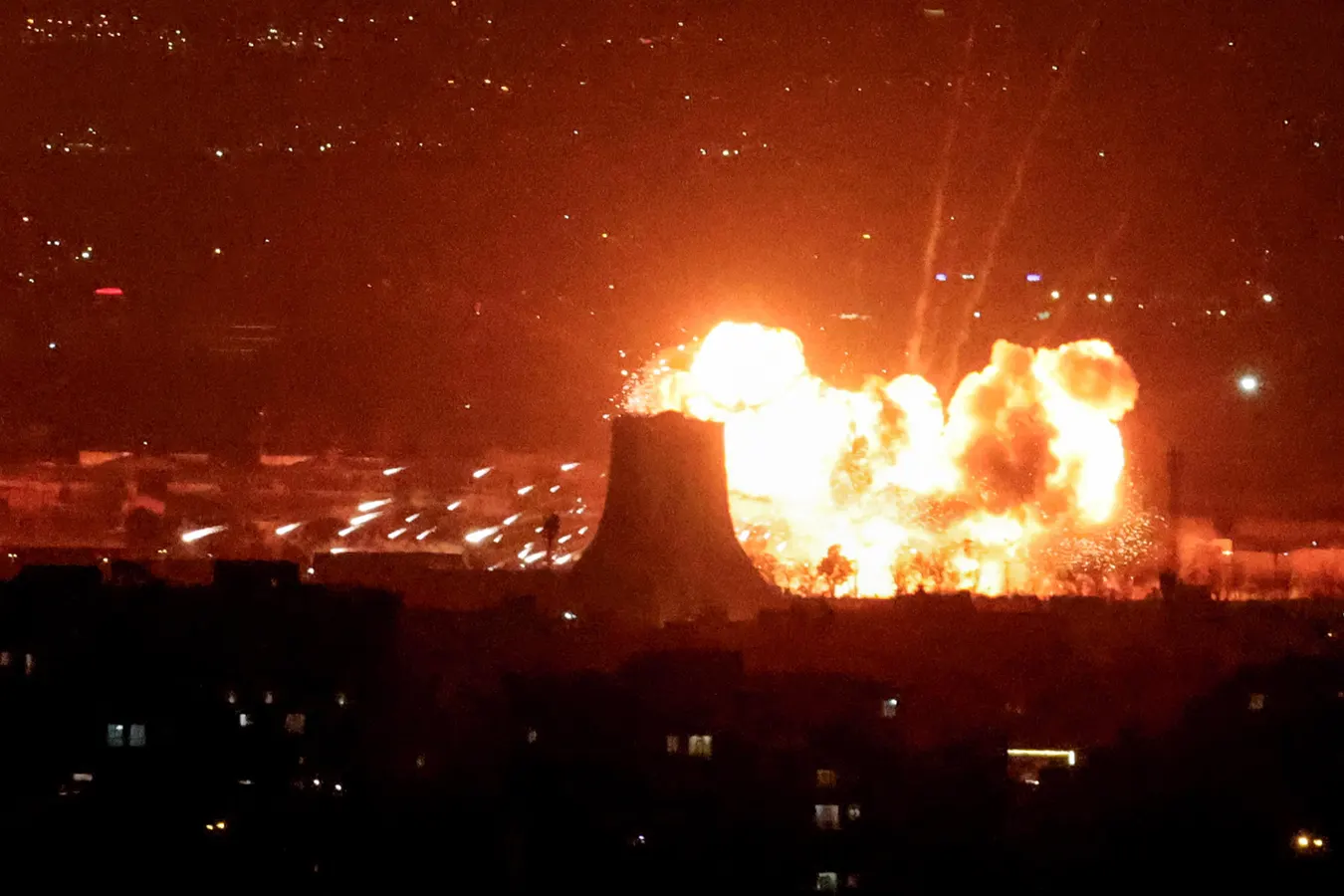

TOPSHOT – An explosion erupts following strikes near Azadi Tower close to Mehrabad International Airport in Tehran on March 7, 2026. The United States and Israel launched strikes against Iran on February 28, sparking swift retaliation by the Islamic republic which responded with missile attacks across the region. The war has dragged in global powers, upended the world’s energy and transport sectors, and brought chaos to even usually peaceful areas of the volatile region. (Photo by ATTA KENARE / AFP via Getty Images)
AFP via Getty Images
The costs of wars are rarely given a full accounting, and the current war with Iran is no exception. Even if the conflict ended tomorrow there would be numerous post-war costs, some of which will play out over years, and even decades. So it will be with the current war with Iran, which has made America less prosperous and less safe, with neither a clear explanation of why the war was started, nor approval by the Congress, nor even a cursory accounting of the budgetary and economic impacts of the conflict.
The costs of the current war that have drawn the most concern domestically are the increases in gasoline and diesel fuel prices driven by Iran’s control of the Strait of Hormuz and the damage to Middle East oil infrastructure. Higher gasoline prices have hurt the pocket books of average Americans, and subsequently the president’s approval rating. Over time the rise in diesel prices — which have reached an all-time high — may do even more damage as they raise the costs of doing business for farmers, leading to further increases in food prices. Even if a deal is made that frees the Strait of Hormuz from Iranian control, rebuilding oil production capacity damaged during the conflict will have a lingering impact on prices beyond the end of the war.
The costs of the conflict go much deeper than dollars and cents, as important as they may be. There are severe human costs stemming from the war. For Iran, there have been deeply painful impacts that cannot be reversed, like the death toll from the bombings, which included a deadly raid on an elementary school, alongside other attacks that have killed or wounded civilians. There will also be immense costs for repairing damaged infrastructure in Iran and throughout the region, costs which may or may not be partially funded by the United States or other outside powers.
And that’s not all. Ashley Gate, writing in the Intercept, has pointed to a study by Conflict and Environment Observatory that has documented over 300 incidents of environmental damage in 12 countries over the course of the first six months of the conflict, from the pollution of the Strait of Hormuz and other waterways to intensive use of fossil fuels.
U.S. military personnel and military assets have also been hit hard by the war. At least 18 U.S. troops have died and over 750 have been wounded since the start of the conflict on February 28. In addition to those irreversible human tragedies, the Pentagon will have to repair damage to U.S. communications nodes and military bases inflicted by Iranian drone and missile attacks, and, in consultation with Congress, decide how much to spend on replacing munitions expended during the war. Decisions will also have to be made about whether to replace or just repair major equipment damaged during the war, including U.S. aircraft that have crashed or been destroyed by Iranian attacks. The wear and tear on the Navy has perhaps been the most serious, including the impact on destroyers and aircraft carriers that have been deployed for longer stints than usual without port calls for maintenance and repairs.
The longest lasting costs of the war will be taking care of veterans of the conflict. Although it will not wreak the sort of havoc or harm that a ground war might have, there are likely to be costs for helping sailors, for example, deal with physical and psychological impacts of the long deployments called for by the conflict. These costs will include medical and psychological support services while personnel are still in the armed forces, as well as disability benefits through the Veteran’s Administration after they leave the military.
Understating the costs of war is nothing new. In the runup to the Iraq war, Bush administration economic advisor Lawrence Lindsay estimated that the war would cost the United States “only” about $100 billion dollars. An analysis by the Brown University Costs of War Project put the full cost of the war at over $2 trillion, over 20 times Lindsay’s original estimate. And, as Linda Bilmes of Harvard’s Kennedy School has noted, the war was financed not by raising taxes to pay for it, but through deficit financing, which will be repaid over many years through increased interest payments on the debt.
Thinking about the full costs of the Iran war raises the larger question of the true cost of America’s current policies of war abroad and surveillance and stepped up immigration enforcement at home. A report issued by my organization, the Project on Government Oversight (POGO), has estimated that security related costs outside of the Pentagon budget — from skyrocketing spending on ICE and the border patrol, to veteran’s benefits and services, to military aid located in the State Department’s budget, to work on nuclear warheads at the Department of Energy’s National Nuclear Security Administration (NNSA), adds $500 billion per year or more on top of the costs of the Pentagon budget, which the administration is seeking to fund at an unprecedented post-World War II level of $1.5 trillion.
The lesson here is that war and preparations for war carry hidden costs that are rarely considered, thereby putting limits on investing federal funds in anything else, from public health and environmental protection to nutrition assistance or efforts to stem growing inequalities in wealth and income.
One way to limit the costs of future wars would be to impose a specific tax to pay for the costs of conflicts rather than running up deficits to pay for them. At least that might prompt more debate before going to war, and eliminate the added interest costs that flow from waging conflicts on credit.
Another solution to the high costs of war would be to engage in more careful consideration of whether and when it is necessary to go to war in the first place. This is a decision that should go beyond a small group of White House and Pentagon officials to take account of the opinions of the Congress — as the Constitution requires. And given the enormous, open-ended costs that wars often incur, clear explanations and consideration of the views of the taxpaying public should also be taken into account.
Perhaps the Iran fiasco will open the way to more robust discussions before any decision to launch an overseas war, rather than relegating debate until after the conflict has been initiated.















Leave a comment