


Topline
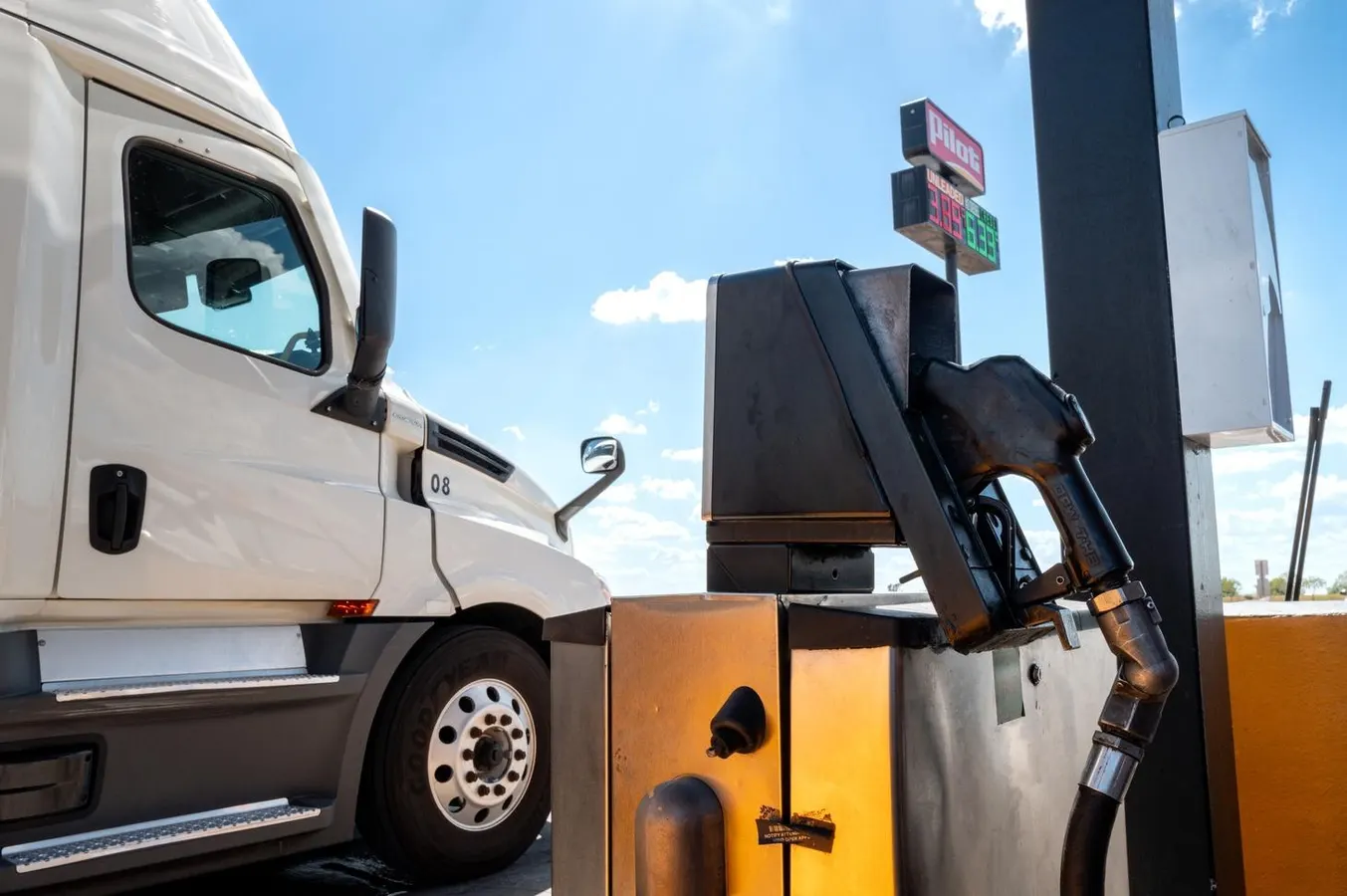
Diesel prices are on the verge of topping $6 per gallon across the U.S. on Friday, a threshold that one analyst expects to trigger a rise in grocery prices.
Diesel prices have surged this week.
Photo by Brandon Bell/Getty Images
Key Facts
Patrick De Haan, GasBuddy’s head of petroleum analysis, warned that Texas and Oklahoma — the last two states below $6 per gallon, at $5.98 and $5.99 respectively — were expected to soon cross the benchmark.
The national diesel average reached $6.43 per gallon by Friday afternoon, up from $5.61 at the start of September, according to GasBuddy data.
“Every truck, every delivery, every package, every grocery run just got more expensive,” De Haan said.
Shipping companies typically pass on the cost of higher diesel costs to consumers when making grocery deliveries.
Regular gas prices are also at a record for this time of year, with the national live average at $4.47 per gallon Friday — up about $1.27 from a year ago.
What To Watch For
“Consumers should plan on higher prices for longer,” De Haan told CBS News on Thursday, projecting diesel could reach $6.60 per gallon as early as this weekend.
Key Background
After slightly cooling off in July, the price for a gallon of regular gas is nearing its highest point of the year, which was recorded in May at $4.56 per gallon. The surge in prices is largely rooted in the U.S.-Iran conflict, which began in February and jolted the national average price for a gallon of gas from $2.91 to well above the $4 mark. The war has throttled oil shipments through the Strait of Hormuz, a chokepoint through which roughly one-fifth of global oil supply was previously transported. Diesel prices have rocketed as refineries have been targeted in the Middle East, as well as in Russia, which invaded Ukraine in 2022. U.S. distillate inventories stood 14% below their five-year average as of late August, according to the Energy Information Administration. The lowered average leaves little buffer ahead of the autumn harvest season, when farmers and truckers burn the most diesel.
















Leave a comment