



Multi-Cancer Early Detection (MCED) testing is a rapidly growing field.
getty
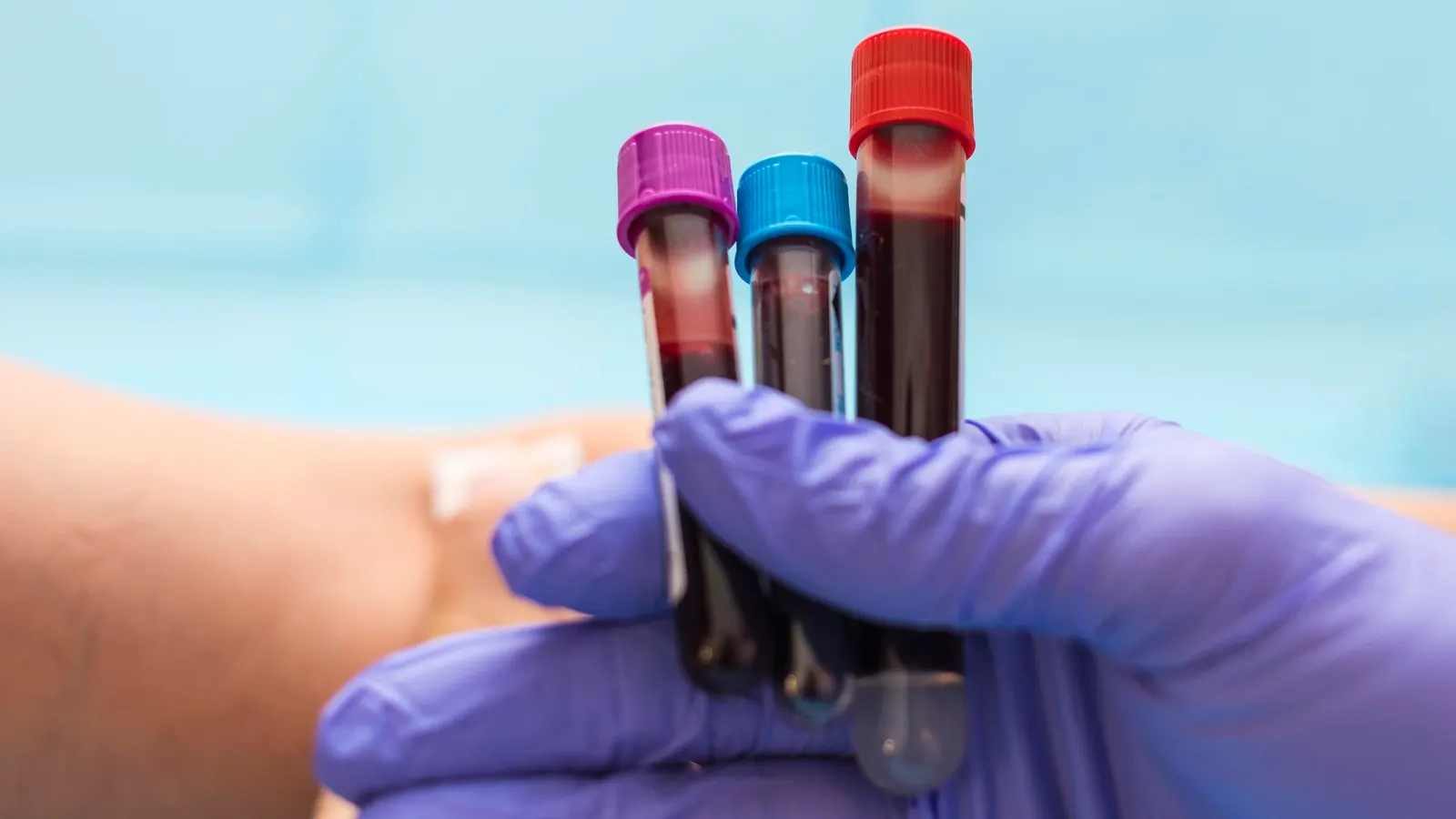
The Galleri blood test, developed by the company Grail, has become incredibly popular in recent years. Today, officials at the Food and Drug Administration (FDA) will meet to determine whether the agency should approve this as the first multi-cancer blood test. Accordingly, they have prepared an executive summary in preparation for the meeting, which highlights the background of the industry, product and the questions to be posed for the panel’s approval.
The Galleri test is intended to be a multi-cancer early detection (MCED) test which uses a simple blood draw to test patients for nearly 50+ types of cancers. These range from bone and breast to uterine and soft tissue cancers. Per the company, the test works by testing the blood for DNA fragments in the blood and determining if they are from cancer vs. healthy cells; for patients that get a positive signal for potential cancer, it then tries to determine the most likely origin of the cancer. This method, which tracks DNA shedding, can potentially help find traces of cancer even when patients are asymptomatic; thus, alongside other forms of recommended screening, Galleri’s goal is to help significantly increase rates of early cancer detection.
A large study by Grail of nearly 143,000 people aimed to assess the clinical utility of an MCED test; although the primary end-points of statistically significant Stage III/IV reduction in 12 pre-specified cancers were not met, the company concluded that “adding annual MCED testing to standard-of-care cancer screening substantially increased screen-detected cancers and reduced Stage IV cancers and emergency presentations,” meaning an overall reduction in late-stage cancer diagnoses and burden.
Why is all of this important?
Cancer is the second leading cause of death in the Untied States and remains one of the highest causes of death globally. In recent years, nearly 620,000 deaths in the United States were due to cancer, with breast, lung and bronchus, prostate, and colorectal cancers accounting for nearly 50% of all new cases in the country. Lung and bronchus cancers are also cited as claiming the highest mortality rates in 2026.
Despite significant strides in therapeutics for cancer, early detection and early treatment still remain fundamental levers in improving outcomes. Therefore, the field of MCED testing has gained significant traction in recent years.
In addition to Grail’s Galleri test, other companies have strived to create meaningful progress in this field. Take for example CancerGuard by Abbott; the test works in a similar fashion by looking at DNA shedding and other biomarkers which potentially show the presence of cancer cells. The company claims that it is the “only MCED test on the market with two biomarker classes” (DNA methylation and proteins). Other experimental products, such as CancerSEEK, use a multi-analyte approach that also studies cancer gene mutations in the blood to help early detection.
FDA safety approvals will not only bring further legitimacy to the products, but will also come with significant benefits for consumers. While the Galleri test is available for purchase already, FDA approval will enable more robust coverage for the test through other payors and Medicare.
Undoubtedly, the competition will be stiff in this industry in the coming decade. However, in a space where early detection is a fundamental driver of better outcomes, innovation is surely welcome.
















Leave a comment