


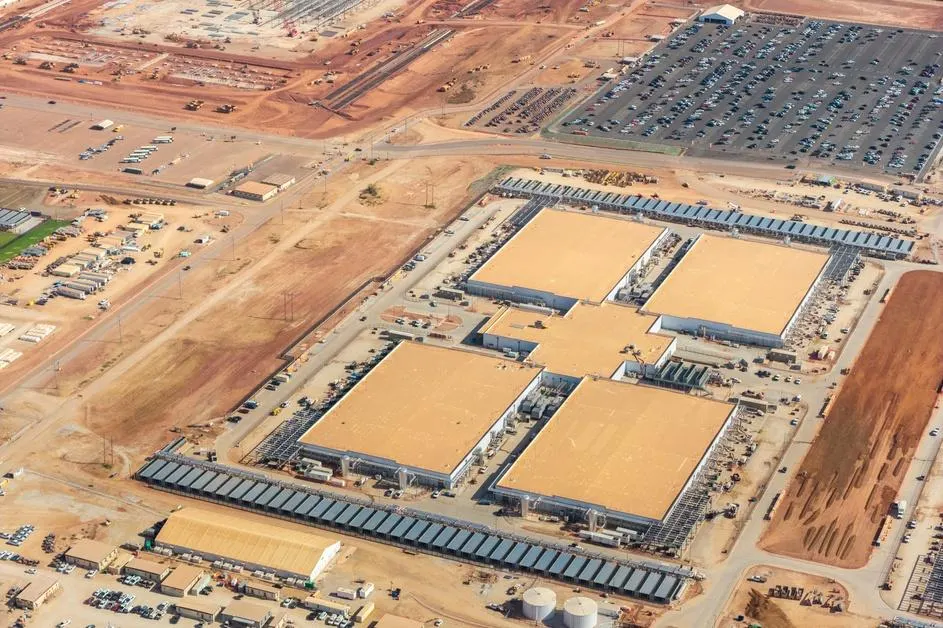

Texas Data Center: Bring your own power
Getty Images
On Sept. 21, Texas Gov. Greg Abbott directed the Texas Commission on Environmental Quality to “halt all permits sought by data centers.” Less than a year earlier, he called Texas the “epicenter of AI development.” The shift from courting data centers to freezing them may shape how fast the AI boom grows, well beyond Texas.
The order, Abbott’s third on data centers in seven weeks, reaches further than his first. The Aug. 3 pause covered only projects asking to plug into the state grid, so developers bringing their own power could keep moving. TCEQ says it has paused “all air and water permits and authorizations related to the construction or development of infrastructure directly supporting data centers.” Without them, a data center can’t build, even one that provides its own power.
Bring your own power
Abbott’s answer to local opposition was to push data centers off the grid. His June 10 framework called for data centers to generate their own power and pay for their own infrastructure. At a June 30 campaign stop, he said any AI data center coming to Texas has “got to bring their own money, bring their own power, reuse their own water.”
Some of the state’s largest projects already work that way. Microsoft is building about 2 gigawatts in Pecos powered by on-site natural gas.
The idea reaches well beyond Texas. U.S. Energy Secretary Chris Wright told data centers last year, “If there is not available power for you, you got to bring the energy with you.”
The Catch
On-site gas plants emit air pollutants, which is why they need TCEQ air permits to be built or expanded. Developers often treat on-site generation as “bridge power” until a grid connection comes through.
“On-site power buys data centers time, not independence. Eventually they’ll want a grid connection for reliability or to sell power back. Local grids aren’t sized for such big loads, so who’ll pay for the upgrades? Ratepayers usually get stuck with the tab, along with the air quality and health costs of burning more fuel on site,” said Ken Colburn, former director of U.S. programs at the Regulatory Assistance Project and a former state air regulator in New Hampshire.
Why Texas?
Texas has the ingredients data centers want. It runs its own grid, ERCOT, and has an abundance of cheap land, natural gas and one of the country’s largest wind and solar fleets. Texas has more than 300 data centers operating, second only to Virginia. It had 142 data centers under construction as of April, more than any other state. Requests to connect to the state grid jumped from 63 gigawatts in 2024 to roughly 474 gigawatts today, more than five times the most power Texas has ever used at one time.
The pushback
Local frustration built pressure leading up to the directive. About half of the state’s planned data centers sit in unincorporated areas, where Texas counties have almost no zoning power. Statewide, 56% of Texans oppose a data center near them, according to a June University of Texas/Texas Politics Project poll.
The Data Center Coalition, which represents Google, Meta and Microsoft, says a blanket freeze punishes good projects along with speculative ones, though the state has little data to tell them apart: when regulators surveyed 377 companies on power and water use, only 28 answered.
TCEQ owes the governor an update by Oct. 19, the first chance to learn whether projects that brought their own power stay frozen with everyone else. ERCOT’s audit follows in December, and the Legislature convenes in January. By then, Texas will have to decide whether bringing your own power still counts.











Leave a comment