


Topline
Global food prices rose in September, approaching a four-year high, the United Nations’ Food and Agriculture Organization said Friday, led by increases in grains and sugar amid disruptions in the Strait of Hormuz and the Black Sea.
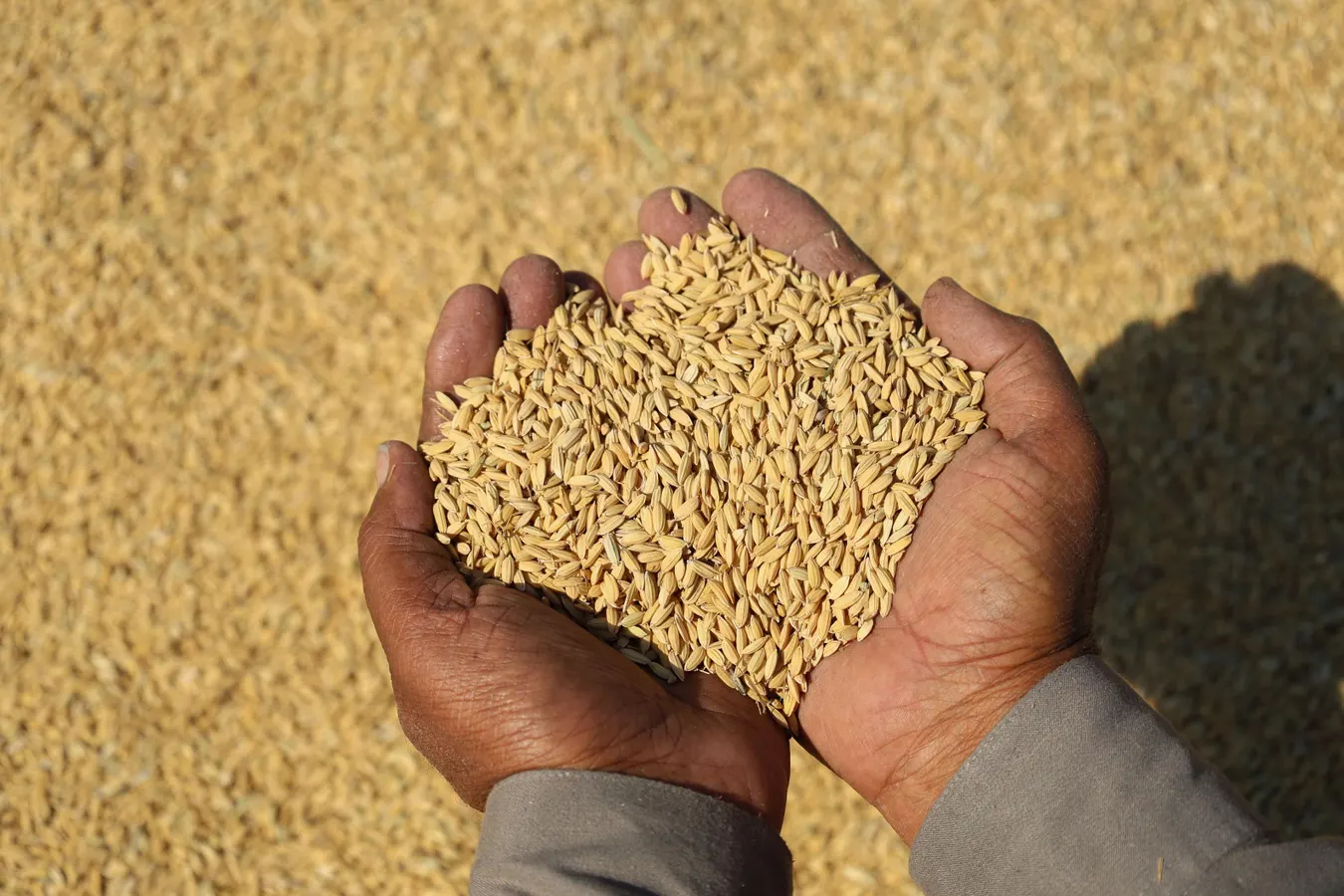
Global food prices rose in September, the UN said. (Photo by Firdous Nazir/NurPhoto via Getty Images)
NurPhoto via Getty Images
Key Facts
The FAO’s Food Price Index rose to a level of 136 points in September, up 2 points, or 1.5%, from August, the UN said on Friday.
The Food Price Index, a key inflation indicator, is a monthly measure of global food prices compared to average prices between 2014 and 2016, which is set at a base level of 100.
The index is at its highest level since November 2022, but is still below a March 2022 peak, when the Food Price Index reached a high of about 160 following Russia’s invasion of Ukraine.
“We are seeing a persistent and increasingly broad based build up in global commodity prices, as disruptions in the Strait of Hormuz and the Black Sea combine with climate shocks, putting pressure on energy, transport and key food commodities,” the FAO’s chief economist Maximo Torero said in a UN release.
The FAO’s cereal price index increased 5.1% since August and 17.2% higher from September 2025, with the UN citing “logistical constraints in the Black Sea region” and dry weather in North America.
The sugar price index rose 6.1% since August and 14.7% from one year ago, which the UN attributed to declining sugar production in Thailand, heavy rains in Brazil and below-normal rainfall in India.
what to watch for
If global food pressures continue, they will soon “pass through to consumer food prices, especially in food and energy import dependent countries,” Torero said.
contra
Prices of meat and dairy declined in September, the FAO said. Dairy declined just 0.1% since August, while meat prices declined 1.1% month-over-month amid “abundant supplies in major exporting countries.”
tangent
Also released Friday is U.S. jobs data, which came in weaker than expected. The Bureau of Labor Statistics said U.S. employers added 29,000 nonfarm jobs in September, well below the 84,000 economists expected.
further reading
Labor Market Loses Momentum In September—29,000 Jobs Added—While July Turns Negative (Forbes)















Leave a comment