


Topline
An OpenAI artificial intelligence model has invented more than a dozen new bacteria-infecting viruses after scientists at Stanford University trained the model to recognize patterns of DNA structure in nature and re-write them to create never-before-seen viral genomes.
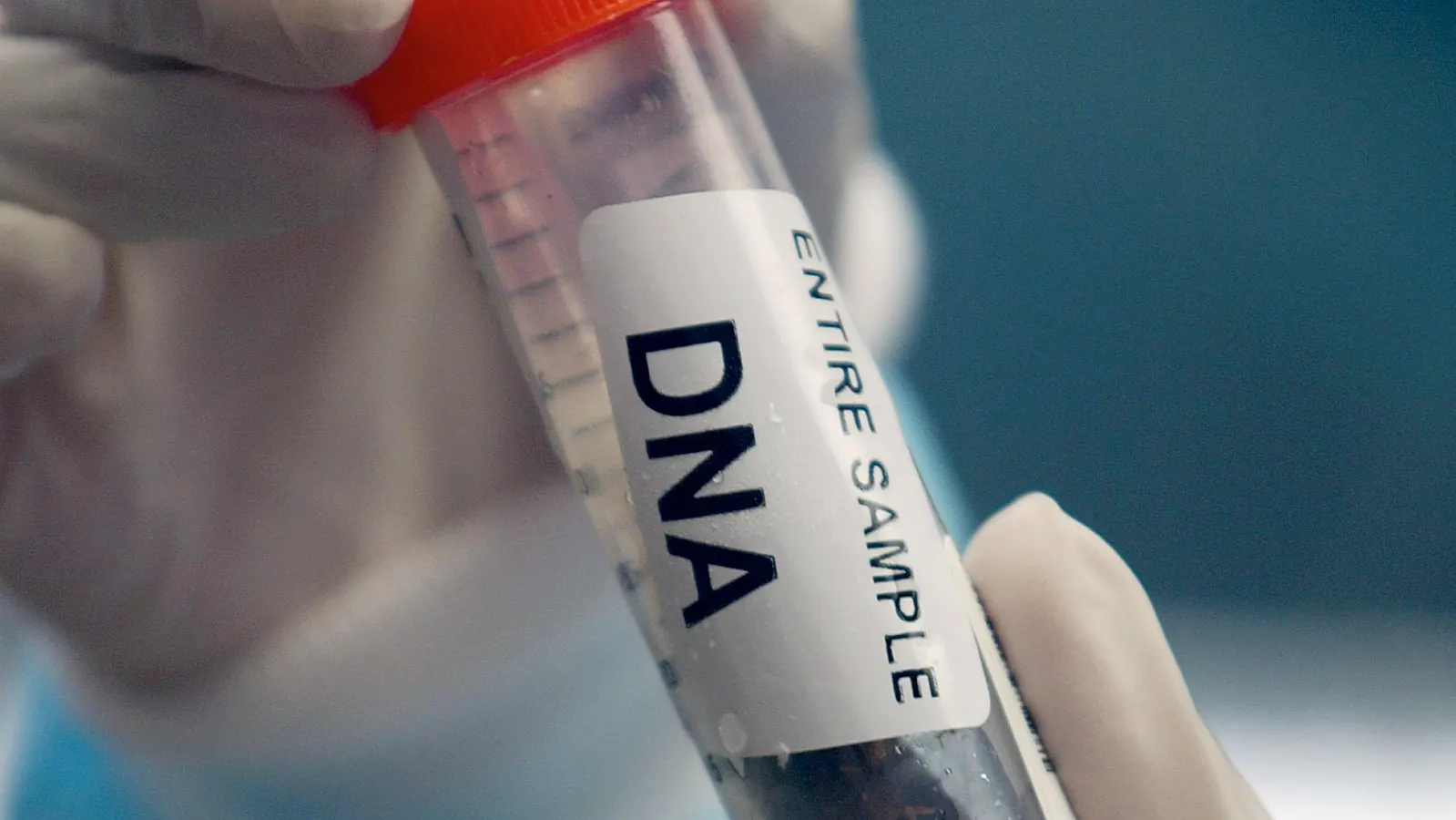
A vial containing a sample of DNA.
Getty Images
Key Facts
In a study published Thursday in the journal Science, scientists explained how they were able to train an OpenAI generative model named Evo to design fully functional viral genomes from scratch.
Much like how language models are trained on large swaths of text, scientists trained Evo on massive amounts of DNA data comprising millions of genomes, and from there it learned the evolutionary constraints that shape DNA sequences in nature and wrote its own “recipes” for new viruses.
After scientists synthesized the AI-designed DNA in the laboratory, 16 of the generative phages successfully infected E. coli, in some cases successfully overcoming the bacterial’s natural resistance mechanisms.
The new viruses possessed sequence patterns distinct from anything found in nature.
The study’s authors excluded human pathogen datasets from their training models, meaning the viruses it created aren’t capable of infecting people, but the results still come against a backdrop of growing concerns among scientists that AI will someday be used to create a new generation of biological weapons.
The ability to custom-design new, functional viruses could also lead to breakthroughs in treating antibiotic-resistant superbugs by allowing scientists to generate tailor-made therapies, rather than relying on searching nature for viruses that target specific bacteria.
CHIEF CRITICS
A number of biosecurity scholars, public health officials and synthetic biologists have raised concerns about the speed of AI’s progress in the world of biology and the lack of regulatory frameworks. Writing an accompanying commentary in Science, biosecurity leaders Dr. Thomas Inglesby and Dr. Moritz Hanke of the Johns Hopkins Center for Health Security warned the Stanford research proves AI is now capable of inventing dangerous bioweapons. They called for strict laws regarding future research and said it should be illegal to use similar generative techniques on pathogens affecting humans, animals or agricultural crops.
CRUCIAL QUOTE
“You could say, ‘Hey, genomic language model, make me an influenza genome that is modified to be more transmissible or to be more lethal,” Hanke told the New York Times.
CONTRA
Tom Ellis, a professor of synthetic genome engineering at Imperial College London, told the Guardian he doesn’t think creating a human-impacting bioweapon would be that easy. He said the viruses created by Evo are “literally the smallest and easiest genome to make,” and said simple restrictions on access to genetic data could make a big difference.
Key background
Scientists have for months been debating whether to limit the potential of biological AI software. While some argue the technology will be able to accelerate beneficial biomedical research, those same models could be misused to help identify, design or optimize biological threats if appropriate safeguards are not in place. Major AI companies have come together to create the Frontier Model Forum, a nonprofit, in part to research AI-bio risks, develop safety standards and reduce the chance that frontier models could be exploited for biological misuse. In addition to concerns trained models may be able to create new threats, many argue the models will lower barriers to access knowledge for malicious actors seeking information about dangerous pathogens. In April, scientists told the Times they were able to ask AI chatbots a series of questions and, in return, they were given a step-by-step guide on how to assemble deadly pathogens and unleash them in public spaces.














Leave a comment