



Australia’s Cost of Living Could Accelerate the Shift to Asia
By NewsDesk
One trend I believe continues to be underestimated is the impact of Australia’s rising cost of living, together with similar pressures across many Western economies.
Over the next decade, I believe what has so far been a steady trickle of Australians relocating to Bali and other parts of Asia could potentially become a flood.
Housing affordability continues to deteriorate across many Australian cities. Household debt remains among the highest in the world, while the cost of everyday living continues to place increasing pressure on families, retirees and younger professionals alike.
At the same time, Bali offers an attractive combination of lifestyle, lower living costs, a tropical climate, an expanding international community and a growing range of property investment opportunities.
Many Australians are beginning to ask a simple question:
“If I can sell one Australian investment property, reduce debt, improve my lifestyle and potentially generate stronger rental returns from quality Asian real estate, why wouldn’t I at least consider it?”
We are already seeing increasing enquiries from Australians looking to relocate permanently, spend extended periods in Bali or diversify part of their investment portfolios into Indonesia.
This trend is not limited to Australia. Similar patterns appear to be emerging among investors from Europe, North America and other higher-cost Western economies.
As more international schools, healthcare facilities, infrastructure and professional services continue developing throughout Bali and Lombok, I believe these islands will increasingly become not just world-class holiday destinations, but genuine places to live, work, retire and invest.
Attractive Rental Returns Continue to Drive Interest
One of the key attractions for many investors is the rental income available in quality hospitality and resort developments.
In my view, well-located Bali property can still achieve attractive rental performance. Net rental yields of around 10 to 15 percent per annum remain achievable on many projects, while investors able to purchase at genuine wholesale pricing before retail releases may potentially achieve returns in the vicinity of 15 to 20 percent per annum, depending on the project, occupancy and market conditions.
Some early purchasers in selected Hotel K developments, who secured pricing during the earliest release stages, may ultimately experience substantially stronger overall returns if project performance meets expectations. In some cases, these could exceed 40 percent per annum, although outcomes will naturally depend on occupancy, operating performance and future market conditions.
The lesson is one that property investors have understood for decades.
Buying quality projects early, before broader market recognition, can often provide some of the greatest opportunities for long-term capital appreciation.
Many LUX clients have also benefited from innovative zero-interest funding options that have allowed investors to secure wholesale pricing while spreading payments over time, making early-stage investing more accessible for many buyers.
Perhaps the greatest advantage, however, has not simply been Bali itself.
It has been purchasing at wholesale prices before properties reach the retail market.
Why We Are Building Mini Cities
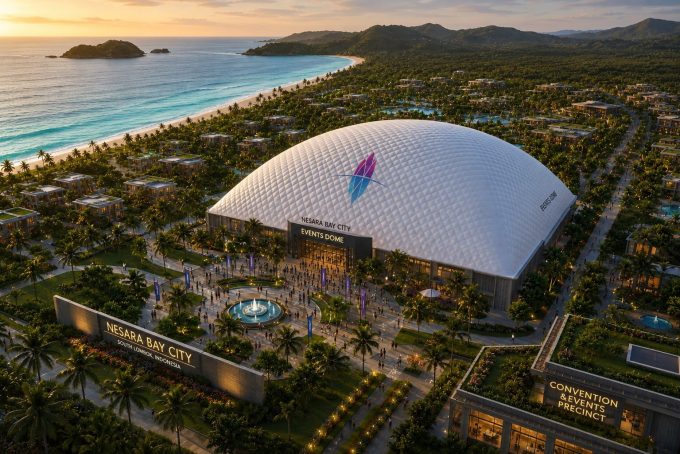
This anticipated demographic shift is one of the key reasons LUX Property Group has chosen to invest heavily in acquiring strategic land to build integrated mini cities rather than simply developing individual villa projects or eco villages.
We believe the next stage of Bali’s and Lombok’s evolution will favour thoughtfully master-planned communities combining residential living, hotels, wellness precincts, restaurants, retail, entertainment, convention facilities, business hubs and supporting infrastructure into complete lifestyle destinations.
Our objective has always been to position ourselves ahead of long-term trends rather than react once those trends become obvious.
With the launch of our private high-net-worth land fund, together with new opportunities for experienced developers to partner with us in helping build our planned mini city projects, our strategy is to secure strategic land positions early, create value through planning, rezoning and development, and participate in what we believe will be an expanding share of Indonesia’s tourism, hospitality and residential property markets.
As more people choose Southeast Asia for both lifestyle and investment, we believe demand for professionally managed communities, integrated resort precincts and mixed-use developments will continue growing.
If this long-term trend unfolds as we expect, we believe both LUX Property Group and participating investors may benefit from what could become one of the most significant lifestyle and property migration trends in the Asia-Pacific region over the coming decade.
Jamie McIntyre is Chief Editor of Australian National Review and Founder of LUX Property Group. The views expressed are his personal opinions and are intended as general market commentary only. They are not personal financial advice. Property investments involve risk, rental returns are not guaranteed, and past performance does not guarantee future results. Readers should obtain independent professional advice before making investment decisions.














Leave a comment