


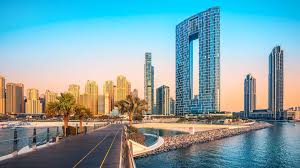
Dubai’s Real Estate Wobble vs Bali’s Rising Tide: Where Global Capital May Flow Next
A shift is stirring across global property markets. In the shadow of rising geopolitical tension linked to the Iran–Israel conflict, parts of Dubai’s once red-hot real estate sector are beginning to show signs of strain. At the same time, thousands of kilometres away, Bali and neighbouring Lombok are riding a different wave entirely, one driven by lifestyle migration, affordability, and a changing global mindset.
Dubai: From Boomtown to Question Marks
For years, Dubai has positioned itself as the ultimate expat playground. Zero income tax, luxury high-rises, and a reputation as a safe financial hub attracted global wealth in record numbers. But property markets, like desert sands, can shift quickly.
Recent geopolitical tensions in the Middle East have introduced uncertainty. While Dubai itself remains stable, its proximity to regional conflict has been enough to unsettle some investors and expats. Add to that rising property prices, increased supply from aggressive development pipelines, and a cost of living that has crept steadily higher, and the narrative is beginning to change.
For many expats, especially those not tied to corporate roles, Dubai is no longer the obvious default. Some are quietly exiting, others are pausing investment decisions, and a growing number are asking a simple question: Where next?
Bali: The Magnetic Alternative
Enter Bali — a destination that doesn’t just sell property, but sells a lifestyle.
Bali has evolved far beyond a holiday hotspot. It is now a fully functioning expat ecosystem. Remote workers, entrepreneurs, and investors are increasingly choosing it not just for short stays, but for long-term living.
Why?
-
Cost of living remains dramatically lower than Dubai
-
A thriving café culture, wellness scene, and digital nomad infrastructure
-
Warm, consistent tropical climate without extreme desert heat
-
A deeply rooted culture that creates a sense of place, not just space
Dubai offers luxury. Bali offers life.
Lombok: The Next Frontier
Just next door, Lombok is quietly preparing to take its place on the global stage.
Less developed than Bali, Lombok is often compared to what Bali was 20–30 years ago. Cleaner coastlines, less congestion, and significantly lower entry prices are attracting early-stage investors looking for growth rather than stability.
European travellers, in particular, have shown increasing interest in Lombok, drawn by its natural beauty and quieter pace. With infrastructure improving and international access expanding, Lombok is positioning itself as Bali’s strategic partner rather than competitor.
The Australian Factor
Then there’s Australia.
Australia has long been a feeder market for Bali. But with property prices stretched, household debt at record highs, and growing concerns about a potential economic slowdown or recession, more Australians are reconsidering their living arrangements.
For many, Bali offers an appealing alternative:
-
Sell or rent out a high-priced Australian property
-
Relocate to Bali at a fraction of the cost
-
Maintain or even improve lifestyle quality
If economic pressure intensifies, this trickle could become a stream.
A New Migration Trend?
The global expat map is being redrawn.
Where once high-net-worth individuals flocked to cities like Dubai for tax advantages and status, there is now a growing segment prioritising:
-
Lifestyle over prestige
-
Community over corporate environments
-
Flexibility over fixed-location careers
Bali and Lombok tick these boxes in a way few destinations can.
Will Bali and Lombok Dominate?
It’s not guaranteed, but the ingredients are there.
Bali already has global brand recognition, strong rental demand, and a mature tourism backbone. Lombok offers scale, affordability, and future growth potential.
If Dubai’s momentum slows further and Western economies face increased pressure, Indonesia’s top islands could see:
-
A surge in expat relocations
-
Increased foreign property investment
-
Rising rental yields driven by long-term stays
-
Continued capital appreciation in early-stage developments
The Bottom Line
Dubai is unlikely to disappear from the global property map. It remains a major financial hub with strong long-term fundamentals. But its dominance as the default expat destination may be softening.
Meanwhile, Bali and Lombok are not just emerging markets, they are evolving into lifestyle capitals.
For a growing number of global citizens, the equation is shifting:
Less glass towers, more palm trees.
Less status, more substance.
And in that equation, Indonesia’s islands may well be the biggest winners of the next decade.
Unlock Profitable Real Estate Strategies | LUX Projects Bali














Leave a comment