


Topline
Germany’s far-right Alternative for Germany (AfD) party notched another recent high-profile electoral victory after coming in first place in state elections in the country’s northeastern state Mecklenburg-Vorpommern on Sunday, results the country’s Chancellor Friedrich Merz called a “disaster.”
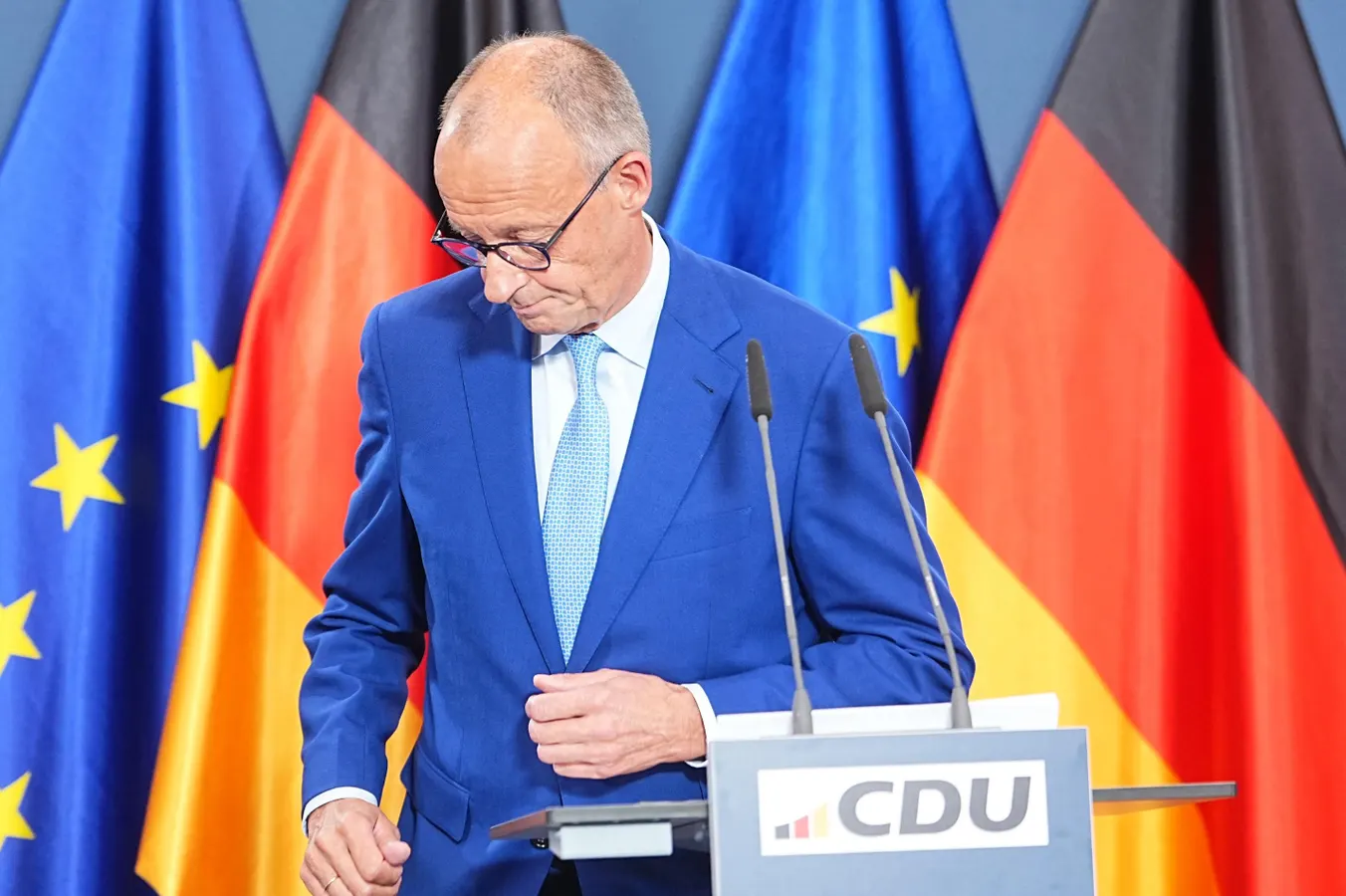
German Chancellor Friedrich Merz called the results a “disaster” for his center-right party.
dpa/picture alliance via Getty Images
Key Facts
AfD was leading in exit polls after Sunday’s regional elections in Mecklenburg-Vorpommern, according to the most recent tallies reported by Reuters and Deutsche Welle—earning roughly 37.9% of the vote, just ahead of the roughly 35.7% won by the center-left Social Democratic Party (SPD).
Support for Merz’s center-right Christian Democratic Union (CDU) seemingly collapsed in the northeastern state, with the party winning only a projected 5% of votes.
AfD is projected to win 32 seats in the state’s 71-seat assembly—not enough to form a governing majority, and Germany’s political parties including the CDU have historically ruled out forming coalitions with far-right parties since World War II.
This marks the second regional election AfD has triumphed in, after previously winning the largest share of votes in Saxony-Anhalt’s regional elections two weeks ago—securing 44% of the vote but still falling just short of reaching a full majority, forcing it to potentially negotiate with another populist party in order to form a government.
Elections were also held in Berlin, where the left-wing Die Linke party came out ahead with roughly 24.5% of the vote—ahead of the CDU, which got roughly 20%, and AfD, which won roughly 16% of the vote in the German capital.
Merz Faces Sinking Poll Numbers
Merz became chancellor after the CDU triumphed in Germany’s federal elections last year, but almost a year and a half later, the center-right party’s leader is facing abysmal approval ratings. Merz’s personal approval sank as low as 10%, The Guardian reported, and his approval in some states in eastern Germany, where AfD has seen major gains in recent years, has reached single digits, Reuters reported last week.
Crucial Quote
Merz called the election results a “disaster” on German television, the Associated Press reported, but insisted he would press onward as chancellor and demonstrate “backbone, steadfastness, and patience.” However, AfD leader Alice Weidel celebrated the victory, insisting her party has “displaced the CDU as the people’s party.”
Key Background
AfD has surged in popularity in recent years, campaigning on backlash to Germany’s immigration policies and opposing further support for Ukraine in the country’s ongoing war with Russia. Despite its growing popularity, German intelligence classifies the party as an “extreme right-wing” organization, and Germany’s mainstream political parties have historically refused to form governments with the group. In the past, the party has been boosted by the likes of billionaire SpaceX and Tesla CEO Elon Musk, who threw his weight behind the far-right party in an op-ed published in a German newspaper in 2024. Vice President JD Vance also met with AfD leader Alice Weidel in 2025 while meeting with other leaders of German political parties, shortly after criticizing Europe’s immigration policies and handling of free speech issues in a contentious speech. AfD came in second place in the federal elections in 2025, netting about 20% of the vote, behind the center right CDU.















Leave a comment