


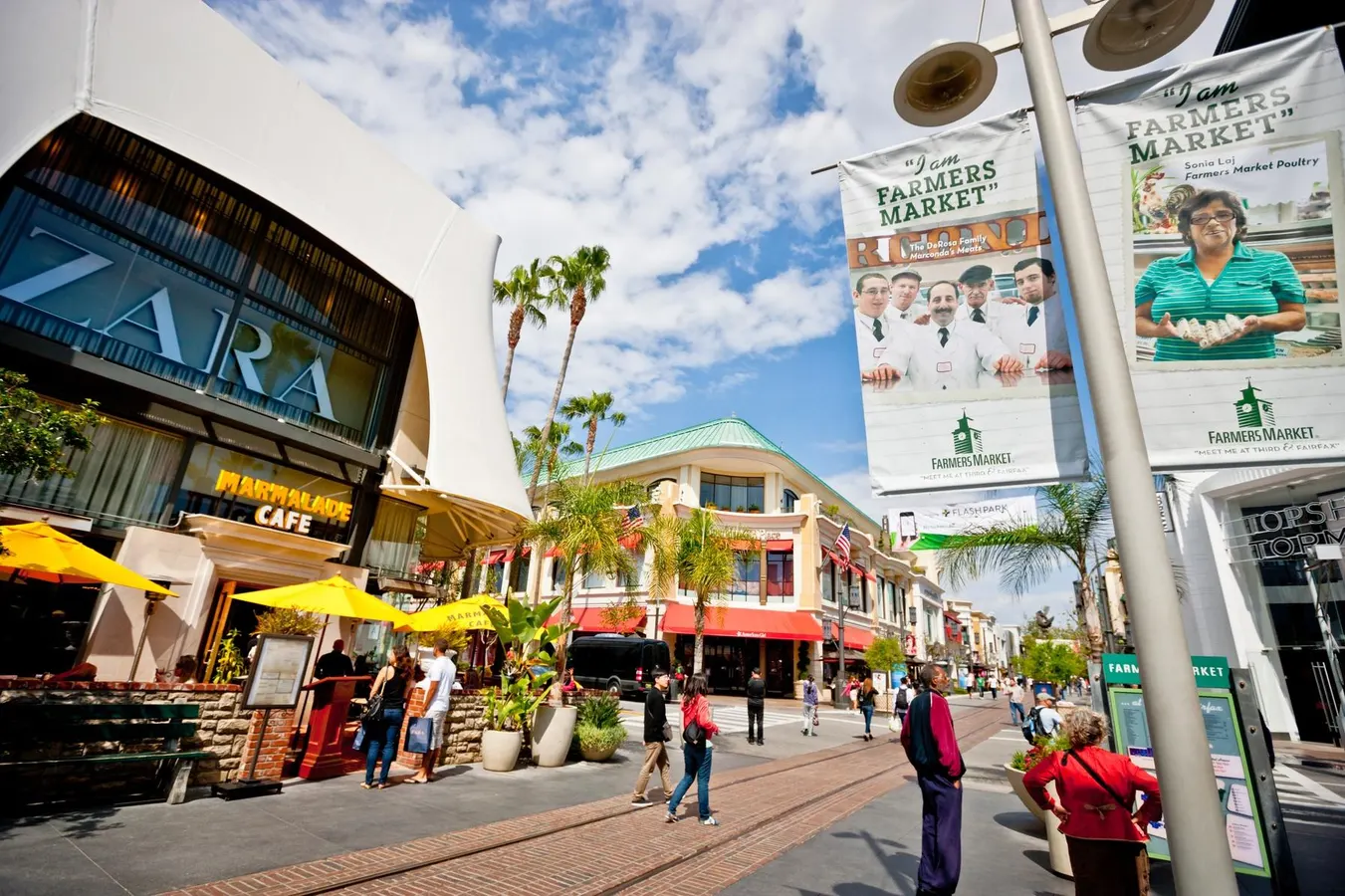

Zara has a long history in the U.S. but has expanded cautiously.
getty
Inditex, the Spanish fashion group behind Zara, has started its fall season with a stronger-than-expected performance, suggesting that Europe’s record-breaking summer temperatures have done little to derail demand for new-season fashion.
The group said that store and online sales at constant exchange rates increased 9% between August 1 and Sept. 7 compared with the same period last year, with its fall/winter collections “very well received” by customers.
The performance is particularly notable given the weather. Much of Europe experienced exceptionally high temperatures through June, July and into August, making the traditional retail calendar of back-to-school clothing followed by coats, knitwear and other fall merchandise, increasingly difficult to manage.
For Inditex, however, the latest figures provide another indication that its highly integrated model of design, sourcing, logistics, stores and digital retail continues to give it an advantage over fashion rivals.
“Ambition, flexibility and innovation are key differentiating factors that reinforce Inditex’s long-term growth potential,” CEO Óscar García Maceiras said.
For the six months to July 31, Inditex reported sales $23.1 billion, up 7.6% year-on-year, or 9.2% in constant currencies, and net profit reached a record $3.5 billion, up 6.8%, shaking off challenges last year.
But investors were looking for more. Second-quarter profitability came in below expectations, with the gross margin falling to 56.7% as transport and input costs were pushed higher by disruption from tariffs and the conflict in the Middle East.
The U.S. has been a market with enormous potential for Inditex for decades but, until relatively recently, one in which the company had been surprisingly cautious. Zara first entered the U.S. in 1989 with a New York store. More than three decades later, the group has built a network of more than 100 stores but still has relatively modest physical penetration compared with its presence across Europe.
However, at the end of Inditex’s 2025 financial year, it had 103 U.S. stores, 102 Zara locations and one Massimo Dutti store. The company now expects to reach approximately 110 stores by the end of its current financial year.
Inditex Uses U.S. As Testing Ground
It is also using the U.S. as a testing ground for a broader portfolio of brands, formats and digital-to-physical retail. In August, Bershka opened its first U.S. physical store at Aventura Mall in Miami. The brand, which had already been selling online to American customers, is now moving into stores, with another Miami opening planned.
Massimo Dutti is also expanding, with another store planned for SoHo in New York later this year.
Bershka provides Inditex with a more youthful brand catchment. (Photo by Cristina Arias/Cover/Getty Images)
Cover/Getty Images
Maceiras has described the U.S. opportunity as one of “selective growth,” with the company assessing individual locations rather than pursuing expansion for its own sake. Its 2026 strategy includes using online performance and customer data to identify new cities and locations where stores can have the greatest impact.
The group has been investing heavily in larger stores, flagship locations, technology and the overall customer experience. In the U.S., recent investments have included major stores in Los Angeles, Las Vegas and Charlotte, while the company has been refurbishing and relocating established stores in cities including New York, Miami and Boston.
Its 2025 U.S. expansion included a flagship at The Grove in Los Angeles and a store at the Forum Shops at Caesars Palace in Las Vegas, while Charlotte became its 26th U.S. state. The company also reopened its Newbury Street store in Boston after a major refurbishment.
Zara Keeps Cool During Heatwaves
The European heatwave has provided another test of Inditex’s model but Inditex’s vertically integrated supply chain gave it greater flexibility to respond to changing demand and it ended July with 5,444 stores globally.
The group already regards the U.S. as its second-largest geographic market by sales, accounting for 17.9% of first-half revenue, compared with 15% for Asia and the rest of the world and 51.5% for Europe excluding Spain.
Having navigated successive heat domes over Europe during a scorching summer, the question is whether it can heat up its U.S. operations and create the same multi-brand eco-system across North America that has propelled its European dominance.















Leave a comment