


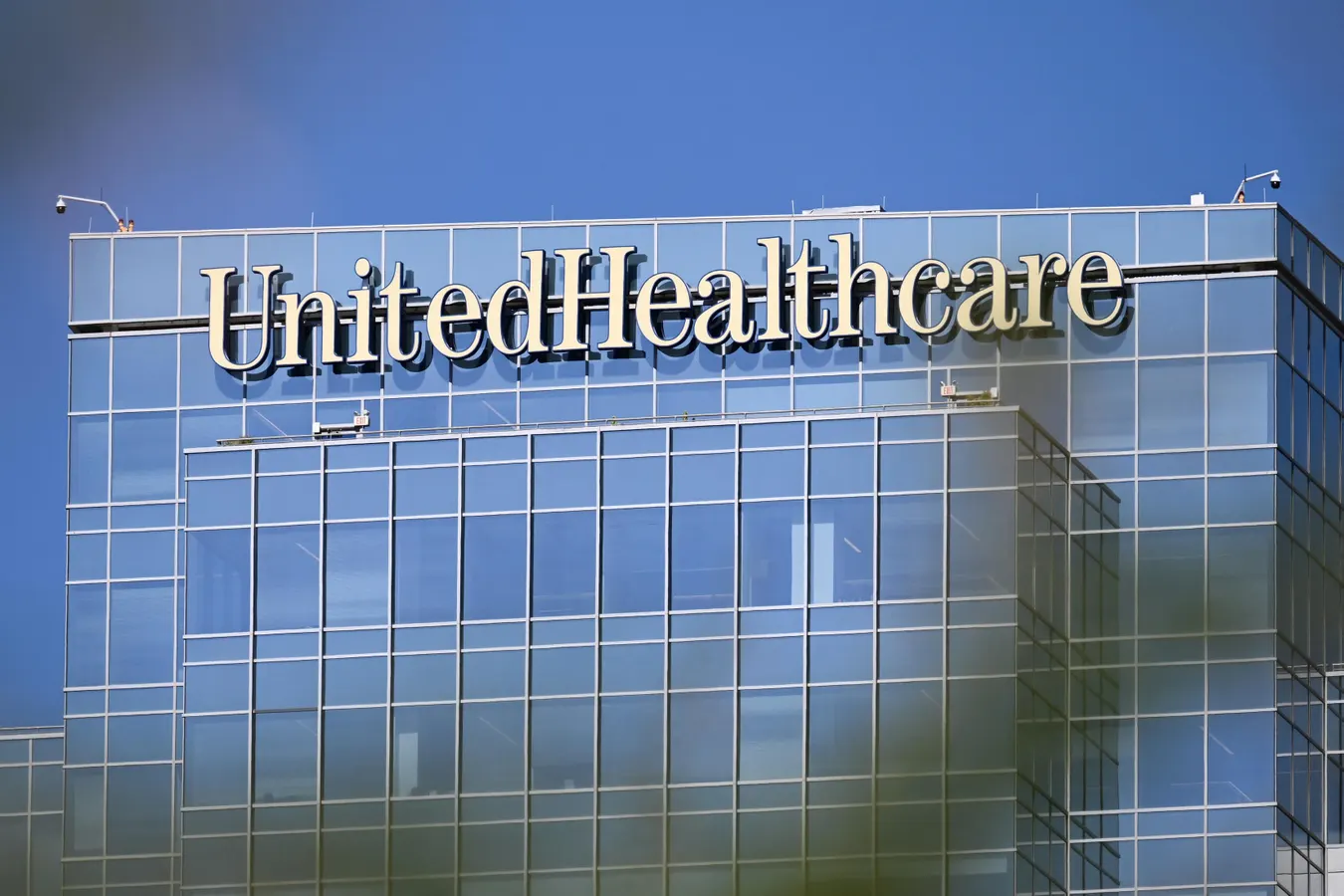

The health insurance industry, dogged by high medical costs from an influx of patients needing medical care, may finally have turned the corner, industry analysts are reporting In this photo, UnitedHealthcare (UHC) health insurance company signage is displayed on an office building in Phoenix, Arizona on July 19, 2023. (Photo by Patrick T. Fallon / AFP) (Photo by PATRICK T. FALLON/AFP via Getty Images)
AFP via Getty Images
The health insurance industry, dogged by high medical costs from an influx of patients needing medical care, may finally have turned the corner.
An increasing number of industry analysts and company disclosures are indicating costs are under control for the likes of CVS Health, Centene, Cigna, Elevance Health, Humana, UnitedHealth Group and others.
Take a report last week from Morningstar senior analyst Julie Utterback, who predicted these managed care organizations “may rebound and boost profit growth well above norms through 2030” following what she called “recent troughs.”
Health insurers are improving their bottom lines by raising rates to cover the increased medical utilization of their health plan subscribers, analysts say. This and other factors, led Morningstar to forecast 16% annual earnings per share growth through 2030, “above the industry’s typical low-double-digit target,” the financial services firm said in a statement accompanying its report.
The cost picture for health insurers should become a little more clear next month when companies start reporting their third quarter earnings. Investors and analysts who follow the companies are hoping the third quarter brings more of what companies reported in the second quarter.
UnitedHealth Group, parent of the nation’s largest health insurer in UnitedHealthcare, reported more than $5 billion in second quarter net income. That came during a period this year when UnitedHealthcare’s medical care ratio continued to fall.
“The second quarter 2026 medical care ratio was 86.7% compared to 89.4% in the second quarter 2025,” the company said of the ratio, which is the percentage of premium revenue that goes toward medical costs. “The year-over-year decrease was driven by benefit design and pricing discipline, member mix and medical cost management initiatives.”
Diversified healthcare companies like UnitedHealth, CVS Health, Cigna, Elevance Health and Humana are also hearing good news in more controversial areas of their businesses like pharmacy benefit management. Such PBMs have faced new federal and state rules and regulations and it wasn’t long ago that analysts on Wall Street were speculating the vertical integration strategy of these healthcare giants would go away.
In particular, the so-called “big three PBMs,” which are UnitedHealth’s OptumRx, Cigna’s Express and CVS Health’s Caremark “remain strongly positioned despite noise of increased competition.”
“Among the larger PBMs, the big three (CVS Caremark, Express Scripts, OptumRx), have the lowest exposure to (request for proposal) requests,” a report last week from UBS Global Research said. “Rebates were significantly less important this year as a selection criteria while transparency and specialty pharmacy management rose. The big three PBMs were also the top choices in terms of improving competitive positions for 2027. Overall drug cost trend is expected to be 5.6% in 2027 vs 5.4% in 2026.”















Leave a comment