


Topline
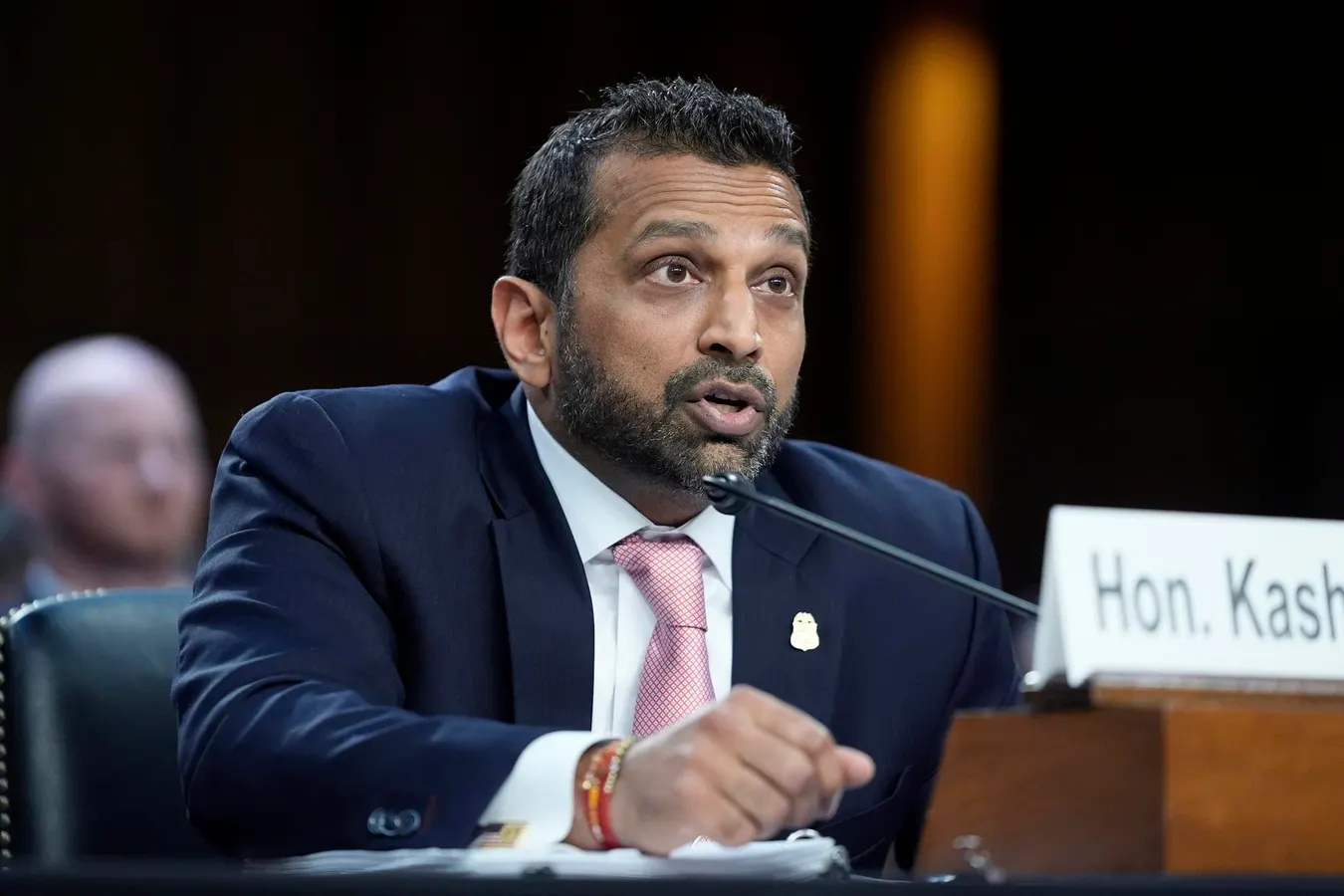
FBI Director Kash Patel defended the bureau loosening its hiring practices, as senators on both sides of the aisle pressed him about why the FBI no longer automatically disqualifies some applicants who solicited prostitution or engaged in bestiality.
FBI Director Kash Patel testifies during the Senate Judiciary hearing on Sept. 15 in Washington.
Copyright 2026 The Associated Press. All rights reserved.
Key Facts
Patel was asked during a Senate Judiciary Committee hearing Tuesday about changes the FBI made to its criteria for automatically disqualifying job applicants, downplaying the controversial changes after Senate Democrats sent a letter to him Monday inquiring about the new policy.
CBS reported in August that the FBI had issued a new directive removing or altering some conditions that had previously automatically disqualified people who applied to work at the FBI, as the bureau has more broadly faced hundreds of agents either resigning or getting terminated during the second Trump administration.
Job applicants will no longer be automatically disqualified if they’ve solicited prostitution, according to sources cited by CBS, unless the person has solicited sex more than three times, has solicited prostitution within the past 10 years, or is applying to work in a position of “trust,” like in a public safety or education role.
Applicants can also move forward if they’ve stolen from an employer, as long as the incident occurred more than three years ago, and if they engaged in bestiality or animal abuse while under the age of 18.
Patel defended the new policy under questioning from Sen. Dick Durbin, D-Ill., claiming the bureau made the changes because it “did not want to punish victims of bestiality, victims who are trafficked” and the FBI was not going to “prevent victims” from serving at the agency, also claiming the bureau’s standards for hiring “have never been higher.”
While Patel insisted the changes are limited to applicants who were victims, CBS reports other sources confirmed the new policy does not distinguish “between candidates who were coerced into sexual activity with animals, as opposed to those who engaged in such acts willingly,” and former FBI officials said applicants previously would have been allowed to discuss such special circumstances as part of the application process.
Crucial Quote
“We did not want to make it an automatic disqualification if you are a victim of these awful, heinous acts,” Patel said Tuesday, noting applicants who have engaged in acts like bestiality “still have to go through the same rigorous standards and application process” as other FBI applicants. “Applicants who have engaged in bestiality means they are victims of bestiality because they were forced to do so,” Patel added, contradicting the reports suggesting the new policy does not make that distinction.
Surprising Fact
The FBI’s new hiring policies even came under scrutiny from Republicans on Tuesday, as Sen. John Kennedy, R-La., questioned Patel about the policy and said he was “trying to understand why you did this,” focusing on the bestiality provisions specifically. “In light of the context” of the FBI struggling to hire new agents “we can trust … why would we even get in to bestiality?” Kennedy asked, also asking Patel about how he responded when an FBI colleague initially presented the idea to him. “I say this with respect … why didn’t you just say, ‘What planet did you just parachute in from?’” Kennedy asked, to which Patel responded that he initially did, before then understanding the potential issues with automatically disqualifying victims of abuse.
Chief Critic
“Having dangerously thinned the FBI’s experienced workforce for reasons that had nothing to do with performance, you are now asking the American people to accept, without explanation, that the resulting shortfall justifies admitting applicants with histories of employee theft, paying for sex, or bestiality,” Senate Democrats wrote in their letter to Patel on Monday.
What to Watch for
In their letter Monday, Democrats asked Patel to provide documentation by Sept. 28 about the policy change, including materials related to drafting the new guidance, records showing who at the FBI approved the change and details on how many applicants at the FBI would have been previously disqualified, but were now being allowed to apply for work.
What Has The FBI Said?
Before Tuesday’s hearing, the FBI previously acknowledged to CBS its policies had changed, but claimed the new provisions were limited to narrow circumstances and denied the agency was allowing people with histories of criminal sex acts to work there, saying in a statement the bureau “has and always will maintain some of the highest suitability standards for its applicants and employees in the U.S. government.” Like Patel said Tuesday, the FBI told CBS the changes to its hiring policies were to account for circumstances such as when a person may have been coerced into performing sexual acts or was sexually abused with animals. “Any polygraph changes reflect a clear difference between a disqualified applicant who has engaged in criminal behavior, versus an applicant who may be subject to further evaluation based on rare exigent circumstances,” the agency said in a statement, also noting, “Over the years, the FBI has had a number of applicants who suffered sexual abuse in their past, causing polygraph questions about prostitution, bestiality, or other similar issues to affect their polygraph through zero fault of their own.”
Contra
Former FBI officials and legal experts told CBS last month that allowing people with histories of bestiality or soliciting prostitution to apply for work could prove to be a liability for the agency. “I don’t think anybody who has been involved with prostitution is trustworthy. You could be compromised,” an unnamed retired agent who specialized in polygraphs told CBS, noting that information “can be held over your head.” While the FBI and Patel have sought to distinguish its policy as addressing instances of bestiality that may have been coerced, former agent James Davidson said the crime “is clearly a potential indication of a more serious emotional issue” regardless. “Even in a circumstance where it is not, the pool of candidates should be extensive enough that the criteria should certainly not be eliminated,” Davidson, who now runs the nonprofit FBI Integrity Project, added.
Big Number
1,139. That’s how many special agents left the FBI in 2025 alone, according to an analysis by former FBI analyst Philip Fields. The FBI previously loosened some other hiring requirements to account for the attrition, The New York Times reported in August 2025, including shortening training requirements and dropping the requirement for all agents to have a bachelor’s degree.














Leave a comment