


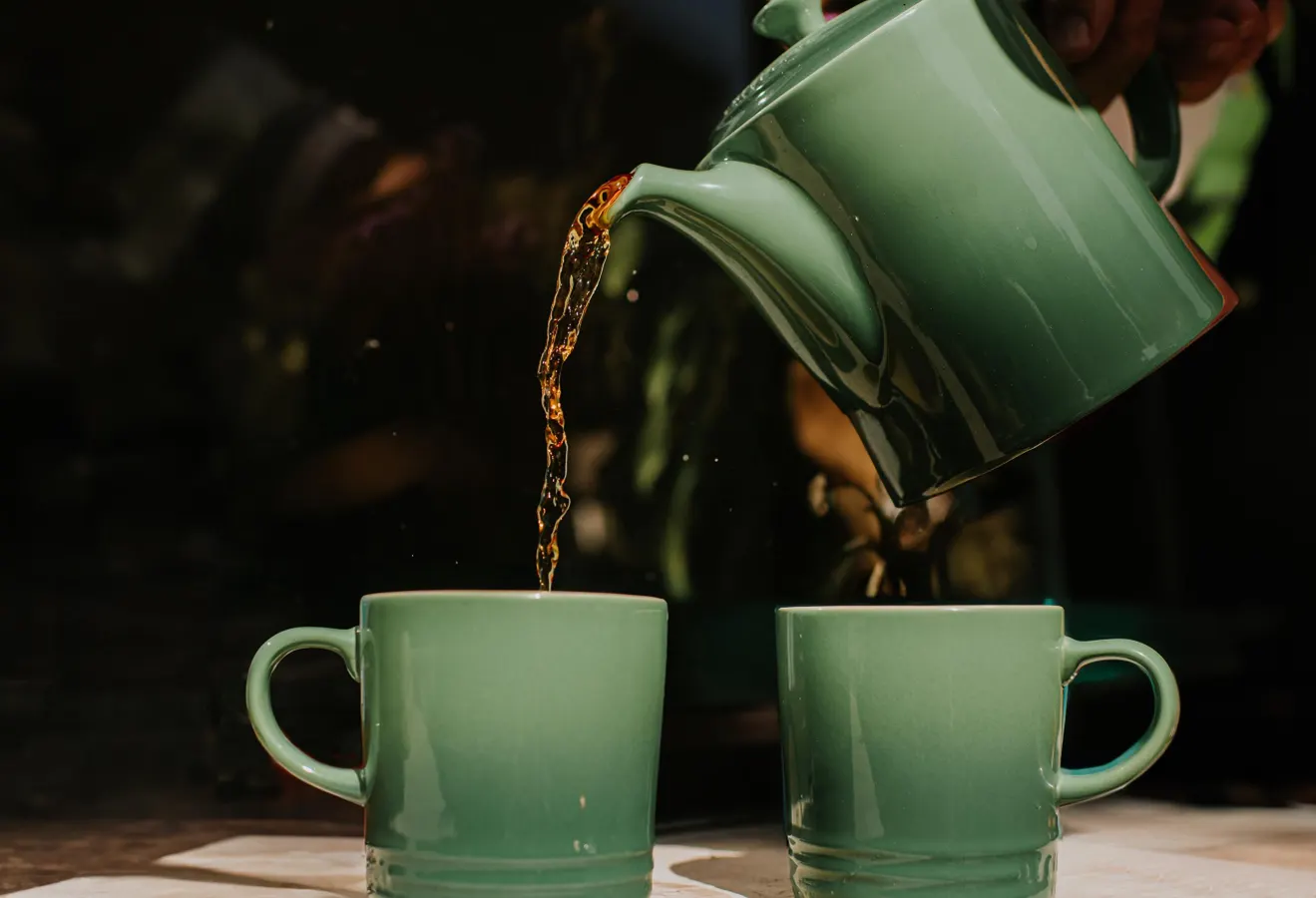

One of my earliest business lessons was watching relationships being built and trust being earned over a cup of tea.
getty
Whenever I am back in my birth country of Iraq, my house becomes a gathering point, a hub where people come together. Often, food is the focal point of these gatherings. This is not a coincidence; in Iraq, food has always been the language of trust and connection—a trait many countries share. In fact, relationship building in emerging markets often revolves around the language of hospitality, and the business leaders who master this language are the ones who tend to thrive in these environments.
What a Cup of Tea Taught Me About Relationship Building in Emerging Markets
As a teenager, I spent much of my free time helping around my father’s office. One of my favorite tasks to do there was preparing tea and coffee. This simple act of hospitality also gave me an excuse to be in the room when business meetings were held. By preparing the tea and coffee and making sure everybody’s cup stayed filled, I had a reason to stay in the room.
In those meetings, I watched as my father and his colleagues interacted with all kinds of individuals: tribal leaders, international contractors, and government officials. I noticed how much happened around that cup of tea—important ideas exchanged, significant conversations had, consequential decisions made. Most significantly, I saw relationships being built and trust being earned, all over a cup of tea.
How to Use the Language of Hospitality to Forge Business Relationships
In Iraq, having food and drink at meetings is normal and expected. I always advise Western leaders doing business in the country to have food on the table. I have had Iraqi businesspeople ask me, after a meeting with a Western company where there was no food or drink, “Why was the meeting so dry?!” The importance of this seemingly simple gesture traces back to Iraq’s history of sanctions; from about 1992 to 1998, there was a lack of food in the country, and sugar was nearly impossible to obtain. Those memories remain.
Even in countries that do not share Iraq’s history, I believe that the language of hospitality—including the offering of food—can help forge stronger relationships. Here are a few practical ways to use hospitality as a tool for relationship building in emerging markets:
- Always have food on the table. It is a small thing to do, but it signals generosity and respect—two currencies that translate in any culture.
- Invite people for a meal to celebrate a job well done. Rather than a cash bonus that may raise ethical concerns, sharing a meal to honor someone’s work feels personal, not transactional, and strengthens the relationship in a lasting way.
- Use informal meal settings to open real dialogue. Some of the most candid and productive conversations I have had in Iraq happened not in a conference room, but over a breakfast table. When people feel comfortable, they speak honestly, and that candor can help build trust.
A Gesture of Caring That Builds Trust
In emerging markets, relationships are built through consistent demonstrations of respect and genuine care for the people and communities you are operating in. Food is one of the simplest and most universal ways to show both. I have seen grand corporate strategies fall flat in Iraq, while a humble cup of tea opened a door that no business plan could. The language of hospitality is a competitive advantage. Master it, and you will find that relationship building in emerging markets becomes much easier.














Leave a comment