


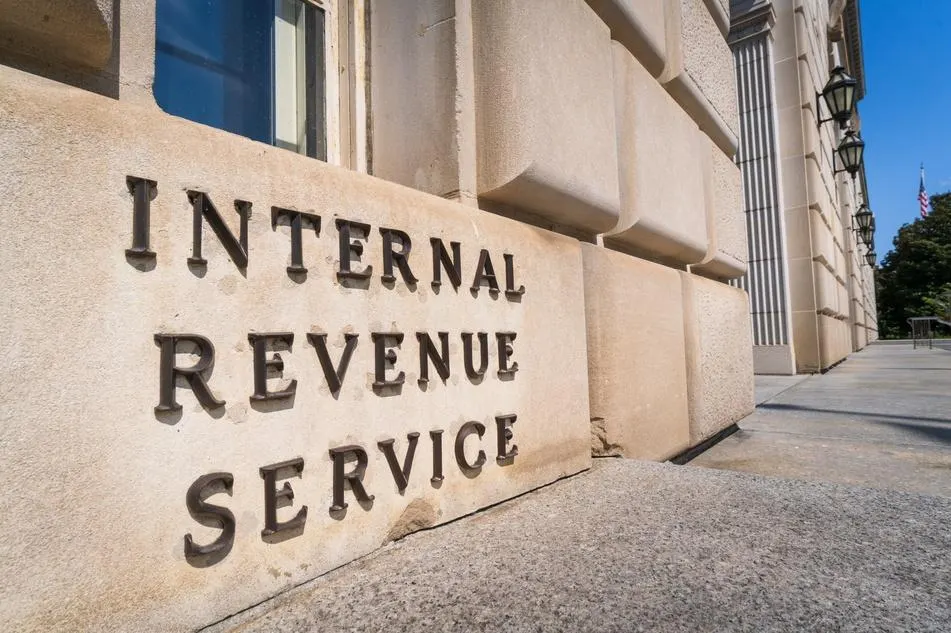

WASHINGTON, DC – SEPTEMBER 15: A sign marks the entrance to the U.S. Internal Revenue Service (IRS) headquarters building on September 15, 2024, in Washington, DC. (Photo by J. David Ake/Getty Images)
Getty Images
The Government Accountability Office (GAO) recently issued a report indicating that tax fraud costs as much as $304 billion in lost tax revenue annually. Some good news from the report, however, is that the IRS has improved dramatically in reducing income tax identity theft. For 2024, the GAO found that the IRS stopped $29.7 billion in fraudulent refunds and paid out $247 million to income tax identity thieves. Income tax identity theft occurs when a criminal electronically files a phony income tax return and counterfeit W-2 using the Social Security number of his victim in order to get a large phony tax refund.
This reduction in funds lost to income tax identity theft can largely be attributed to the use by the IRS of various identity theft filters. The IRS uses identity theft filters to evaluate individual tax returns for potential identity theft at the time tax returns are processed and before a refund is issued. For the 2025 Filing Season, the IRS had 76 identity theft filters with varying criteria to select tax returns for potential identity theft. Refunds claimed on tax returns selected by identity theft filters are generally held until the IRS can authenticate the tax return. These filters use characteristics of known and potential identity theft to screen tax returns. Once identified, the IRS conducts additional data analysis to authenticate the taxpayer and the filed return. If data confirms the authenticity of the taxpayer and the associated return, the IRS releases the return for further processing without contacting the taxpayer. If the IRS is unable to determine the legitimacy of the tax return, a letter is sent to the taxpayer with instructions on how to validate their identity and tax return information. The taxpayer must authenticate their information through one of the IRS’s identity verification options. Taxpayers can authenticate their information through their IRS online account, over the phone with an IRS employee, in person at a Taxpayer Assistance Center, or through the mail.
And while these identity theft filters have been successful in reducing the amount lost by the IRS to income tax identity theft, an unfortunate side effect of the new identity filters is that they identify more legitimate tax returns for potential identity theft.
And all of this takes time. Lots of time.
The Problem
The Treasury Inspector General for Tax Administration recently issued a report showing that the IRS continues to experience extensive delays in sending income tax refunds to victims of income tax identity theft with a backlog of 500,000 innocent taxpayers who were victims of income tax identity theft waiting for their legitimate refunds. The average processing time now is 655 days. As the report indicated, “These lengthy delays can frustrate and burden taxpayers while they wait to receive their refunds.” According to the report the “increased prevalence and sophistication” of income tax identity theft is making the situation worse.
The Solution
So what can you do to protect yourself from income tax identity theft? First and foremost you should file your return as soon as possible because if you file your income tax return before the identity thief does you should be able to get your refund in a timely manner. However, income tax identity thieves are pretty prompt in filing their phony returns so you should also get a PIN from the IRS to use when filing your tax return.
The IRS started the Identity Theft Protection PIN program almost ten years ago, but it was only available to people who were already victims of identity theft and to people living in a few specific states chosen by the IRS to test the program. Now anyone can and should obtain an Identity Theft Protection PIN.
In 2022 the IRS expanded its Identity Protection PIN Op-In Program that provides individual taxpayers with a six-digit code that is required to be included on the individual’s income tax return. This will protect you if your Social Security number has been compromised from becoming a victim of identity theft because the identity thief will not know the six-digit code.
You can get a PIN from the IRS on its website. In addition, the IRS says that the fastest way to get a PIN is thrugh your online IRS account. If you don’t have an IRS online account, you can get one here. The PIN is only valid for a single year but will automatically be renewed each year.














Leave a comment