


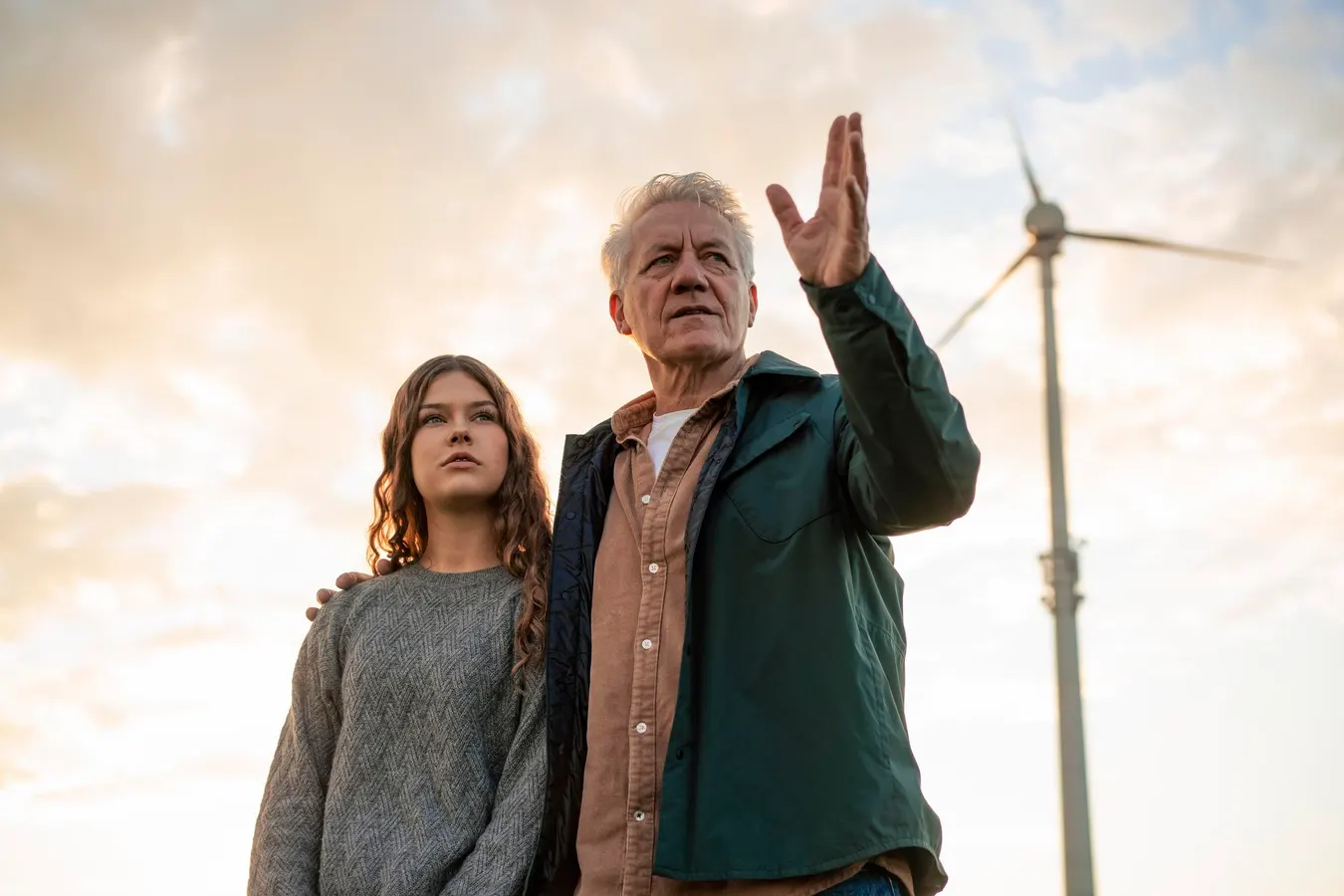

There are clear generational differences in how people perceive climate change and potential energy solutions.
getty
Conventional wisdom holds that the younger you are, the more you trust technology to rescue us from climate change. Digital natives, the thinking goes, will code, engineer and innovate their way out. In reality, the opposite may be true. Faith in a technological climate fix seems to fall with each younger generation, and that shift matters for anyone building, funding or regulating climate solutions.
Put a boomer, a Gen Xer, a millennial and a Gen Zer in the same conversation about climate, and two things become clear. The generational blame game won’t get us far, and what each generation believes about solutions traces back to what it watched work, or fail, while growing up.
We Believe In The Solutions We Saw Work
Boomers came of age when environmental problems were visible, local and fixable. Rivers smelled of chemicals, and coal soot coated cars on college campuses. Then a youth-led movement produced Earth Day, the Environmental Protection Agency, the Clean Air Act and the Clean Water Act, and the air and water measurably improved.
That success built a durable belief: name the problem, pass a law, engineer a fix. Dan Delurey, a boomer who hosts a podcast Four Generations Talk Climate and brings a background in energy policy and the utility industry, argues the belief may have backfired. “A lot of boomers, we sort of trusted or maybe expected government to do something about this,” he said. “And perhaps that led to us not being as active as we could have.”
Gen X inherited the opposite experience. Its members remember clean air and water as a baseline, then watched climate indicators worsen through their whole adult lives as extractive industries shaped the political agenda from the 1980s on. Millennials grew up between those two stories, and Gen Z was born into a crisis already declared urgent.
The Tech Fix Is Losing Its Shine
Millennials entered the climate movement in an era of technological optimism. It seemed obvious that clean technology was the future. The Paris Agreement captured the mood: we could have clean air, good jobs and steady growth all at once, provided we deployed the right technology fast enough.
That bargain looks weaker today. The world is running past the Paris targets, and the AI boom is adding huge new electricity demand at the moment emissions need to fall fastest. Unless something like cheap fusion arrives almost overnight, more technology alone will not bend the curve in time.
Gen Z, the most digitally immersed generation, is the most openly skeptical. Hannah Testa, a climate activist since age ten and now a graduate student at the Yale School of the Environment, rejects the idea that tech leaders such as OpenAI’s Sam Altman will deliver a fix through AI. “We don’t need to wait for these new inventions to come in to save us on climate,” she said. Her generation increasingly aims its frustration not at boomers broadly but at a narrow group of billionaires, technocrats and fossil fuel lobbyists who profit from the status quo.
Testa, who grew up in Georgia, makes the case for inviting people in rather than calling them out. Many people assume environmentalists want to take away their cars, their flights and their visits to family. A movement that leads with shame will not win the majority it needs, especially in places where neighbors still doubt climate change is real.
Sell Abundance, Not Sacrifice
Heather White, a Gen X environmental lawyer and author who now focuses on eco-anxiety through her nonprofit One Green Thing, argues the fix is a different vision of the future. “As environmentalists, we only talk about scarcity and we need to start talking about abundance,” she said. That means clean air and swimmable water for everyone, free public transit and green rooftops, a world future generations would thank us for.
White also points to evidence that collective change is possible. In the early weeks of COVID-19, people stopped flying, changed daily routines and emissions dropped sharply. That was not a climate strategy, but it showed what happens when political will and shared purpose line up.
Who Holds The Levers
The generations least convinced by technological fixes are also the ones with the least power. Boomers still dominate Congress, corporate boards and, crucially, investable wealth. Gen X remains thinly represented in national leadership, and millennials are only now reaching VP and executive roles.
That creates a division of labor. Older generations control retirement savings and institutional capital. Younger generations supply organizing energy, from campus divestment campaigns targeting university endowments to pressure on employers. That balance won’t last. The generations least convinced that technology will save us are about to inherit the boardrooms, the portfolios and the ballot box. They will be less impressed by promises of the next breakthrough and more interested in who is willing to change how business gets done today.















Leave a comment