


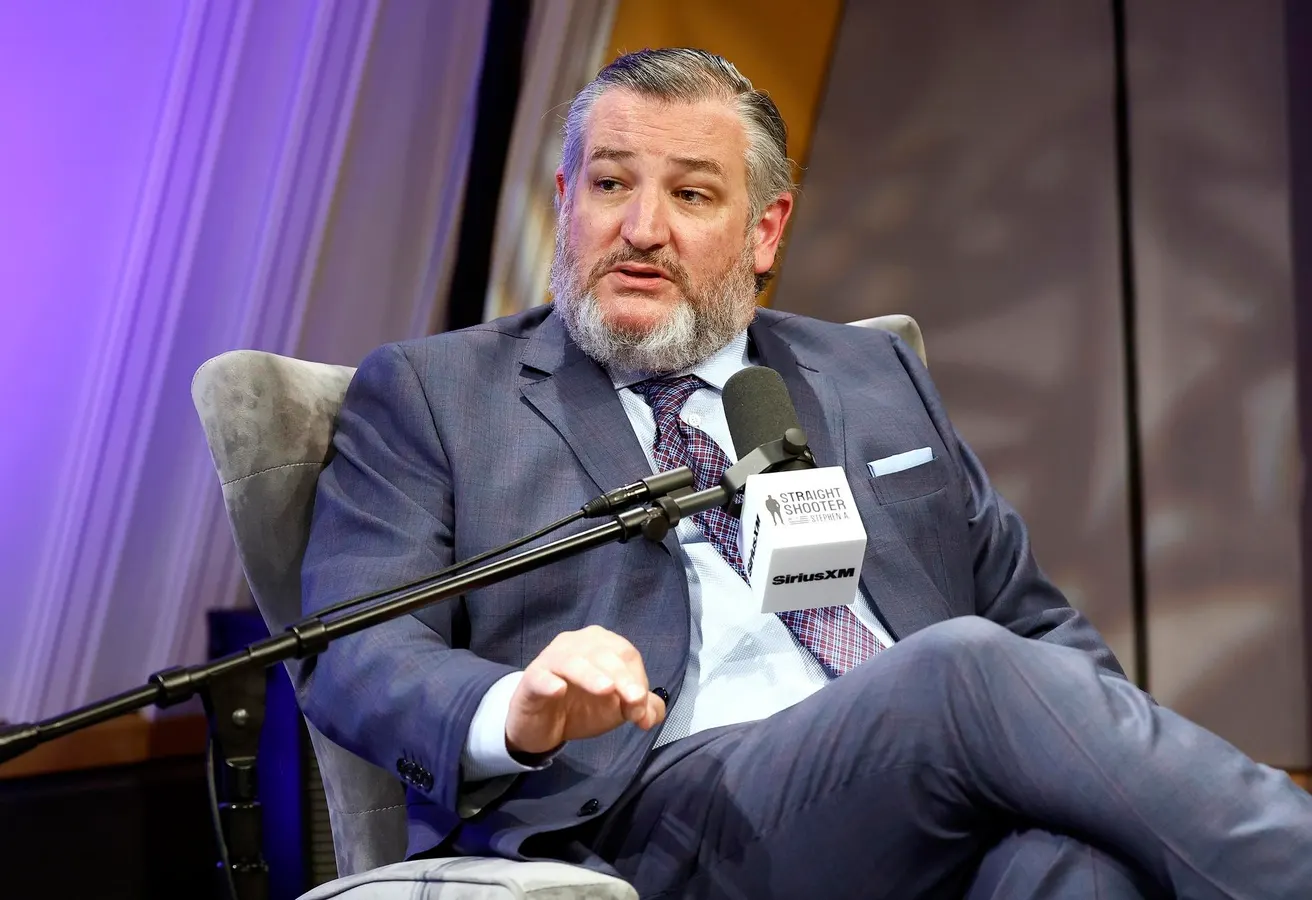

WASHINGTON, DC – NOVEMBER 19: Senator Ted Cruz (R-TX) in conversation with host Stephen A. Smith at a SiriusXM Town Hall event at SiriusXM Studio on November 19, 2025 in Washington, DC. (Photo by Paul Morigi/Getty Images for SiriusXM)
Getty Images for SiriusXM
Sen. Ted Cruz on Wednesday blocked an effort to advance the NO FAKES Act, the bipartisan legislation backed by much of Hollywood that would create a federal right governing the unauthorized use of a person’s voice and likeness in AI-generated material.
Cruz, R-Texas, objected to Sen. Marsha Blackburn’s attempt to pass the bill by unanimous consent, arguing that its protections for satire, political commentary and other forms of speech are not sufficiently clear.
The move puts the legislation on hold as the Senate heads toward the midterm elections, despite the bill having cleared the Senate Judiciary Committee in June with Cruz’s support.
Blackburn, R-Tenn., a leading sponsor of the measure, argued on the Senate floor that the safeguards Cruz is seeking are already contained in the legislation. She said that the bill’s sponsors have repeatedly worked with Cruz’s staff on its language and maintained that decisions involving First Amendment protections ultimately would be made by courts — not technology companies.
“The protections that Senator Cruz wants to see in the bill are there,” Blackburn said.
She said the sponsors had consulted with First Amendment legal experts in drafting the legislation and had strengthened the language in response to concerns.
“We have worked with First Amendment legal experts in drafting the bill, and we are confident that it is First Amendment compliant,” Blackburn said. “We have even doubled down on this language.”
Blackburn also described a mechanism intended to protect material that may constitute protected speech. Under the bill, she said, if content is removed and its creator believes it is protected by the First Amendment, the creator can file a counter-notice that triggers judicial review.
“If someone believes their content that was removed from this bill was protected speech, they can submit a counter notice triggering judicial review within 14 days if the victim wants the material to stay down,” she said. “Otherwise, the content can go right back up.”
The NO FAKES Act would establish a federal intellectual-property right in an individual’s voice and visual likeness, allowing people to take legal action over unauthorized digital replicas. The legislation contains exceptions covering news, documentaries, sports, biographical works and certain forms of comment, criticism and parody.
Cruz nevertheless said the exemptions do not go far enough.
“One of my concerns about how this bill is drafted right now is it will apply to websites like the Babylon Bee or The Onion, and it leaves the decision as to whether someone’s use of a likeness falls within the exception,” Cruz said. “It creates an exception for what it calls bona fide parody, but it leaves to big tech to make the decision whether it falls in that exception or not.”
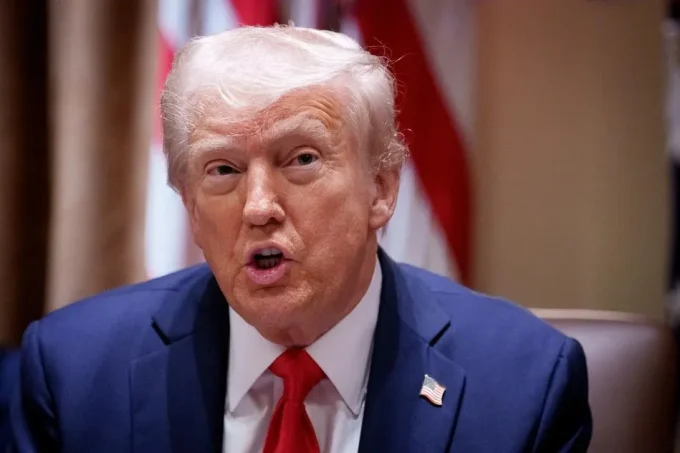
He also raised questions about political uses of AI-generated images and video, including material appearing on President Donald Trump’s social media accounts. Cruz cited as another example an AI deepfake involving Los Angeles mayoral candidate Spencer Pratt and former Los Angeles Mayor Karen Bass, styled as The Joker from Batman.
Blackburn had argued that the legislation is aimed at unauthorized and harmful uses of AI rather than legitimate creative expression.
“Our bill would establish clear guardrails that protect our creators in Tennessee and across the entire country, in addition to establishing a federal intellectual property right in every American’s voice and visual likeness,” she said in her floor remarks.
The measure has attracted support from a wide cross-section of the entertainment business, including Hollywood studios, record labels, guilds and unions, as well as technology companies including OpenAI and Google/YouTube.
Sen. Chris Coons, D-Del., another key sponsor, pointed to the breadth of that support and the lengthy legislative process behind the bill.
“This is the most baked, ready-to-go AI-related bill there is,” Coons said Wednesday. “We’ve done hearings, we’ve done technical assistance, we’ve done markups. It’s broadly bipartisan.”
He later urged lawmakers not to let disagreements over individual provisions prevent Congress from moving forward.
“We should not let the perfect be the enemy of the good,” Coons said.
A Long-Running Cruz-Blackburn AI Dispute
Wednesday’s confrontation is the latest chapter in a broader disagreement between Cruz and Blackburn over how Congress should regulate artificial intelligence.
The two Republican senators have clashed over AI legislation for more than a year, including during negotiations in 2025 over a proposal that would have restricted states from imposing their own AI regulations. That agreement ultimately collapsed during negotiations over the One Big Beautiful Bill Act.
Cruz subsequently voted for the NO FAKES Act when it came before the Senate Judiciary Committee in June. But even then, he raised questions about how the legislation would apply to political satire and said those concerns needed to be resolved before the bill reached the Senate floor.
The bill nevertheless cleared the committee and advanced toward consideration by the full Senate.
The dispute resurfaced during broader negotiations over legislation addressing AI regulation, state preemption and online safety for children. Cruz was also critical of Blackburn’s efforts to assemble a larger package of AI-related legislation, including during a meeting with Trump at the White House this summer. Trump ultimately declined to endorse the package at that time.
On Wednesday, Blackburn attempted to move the NO FAKES Act through unanimous consent, a Senate procedure that allows legislation to advance without a roll-call vote if no senator objects.
Cruz objected.
“I am happy to work with you,” Cruz told Blackburn. “But at least as of now, I object.”
The impasse leaves the legislation in an unusual position: a measure that has already cleared committee with bipartisan support and backing from major segments of the entertainment and technology industries, but which remains unable to secure unanimous consent on the Senate floor.
Cruz also pointed to another AI-related measure that he has championed — legislation making it a crime to knowingly publish sexually explicit images online without the subject’s consent, including AI-generated material. He said that measure is the only major AI bill to have become law during the 119th Congress.
For Hollywood, the NO FAKES Act represents a major piece of the industry’s effort to establish legal protections around performers’ identities as generative AI becomes increasingly capable of reproducing recognizable voices, faces and performances.
But with Cruz continuing to seek changes to the bill’s free-speech provisions, the legislation’s path to the Senate floor remains unresolved.





Leave a comment