


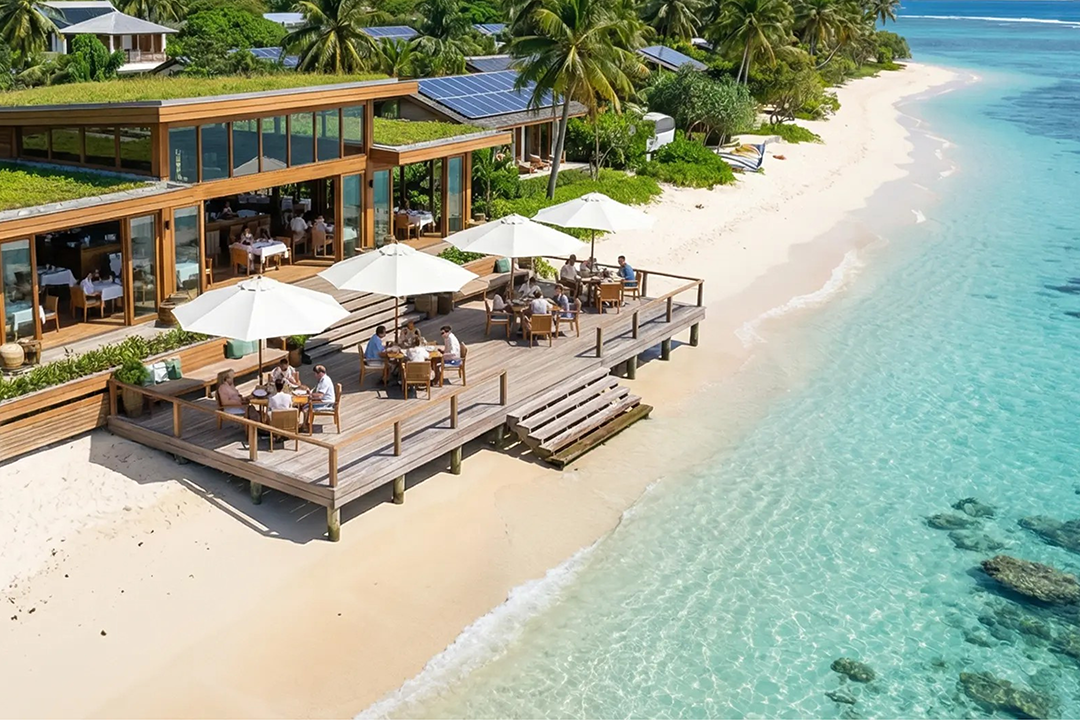
After taking full ownership, the Sydney-based company abandoned earlier Dubai-style mega-city plans in favor of a radically different vision: low-density, nature-first eco-villages. Nesara Bay City and its sister development, Gesara Bay City, are being reimagined not as dense urban hubs, but as places designed around privacy, wellness, and a closer relationship with the natural environment.
At the heart of this shift is a philosophy of “sustainability through restraint,” as described by Jamie McIntyre, Co-Founder of Nesara Bay City, Gesara Bay City, and Lux Property Group.
Rather than dominating the landscape, the developments are designed to sit beneath it with buildings kept below the height of palm trees and integrated into lush vegetation. This approach prioritises harmony over scale, rejecting high-rise density in favor of a more human, livable environment that blends seamlessly with South Lombok’s natural contours and coastal beauty.
Beyond environmental considerations, the project also emphasises practical, measurable sustainability and meaningful community impact. From phased solar integration and strict waste management systems to a commitment to eliminate non-biodegradable plastics within five years, the focus is on real-world implementation rather than greenwashing.
At the same time, initiatives like funding a new school for 500 local children highlight a broader ambition: to ensure that development benefits not just future residents, but the local community as well.
Architecture & Design: You moved away from a mega-city concept to something more nature-led. What does sustainability actually look like on the ground at Nesara Bay City?
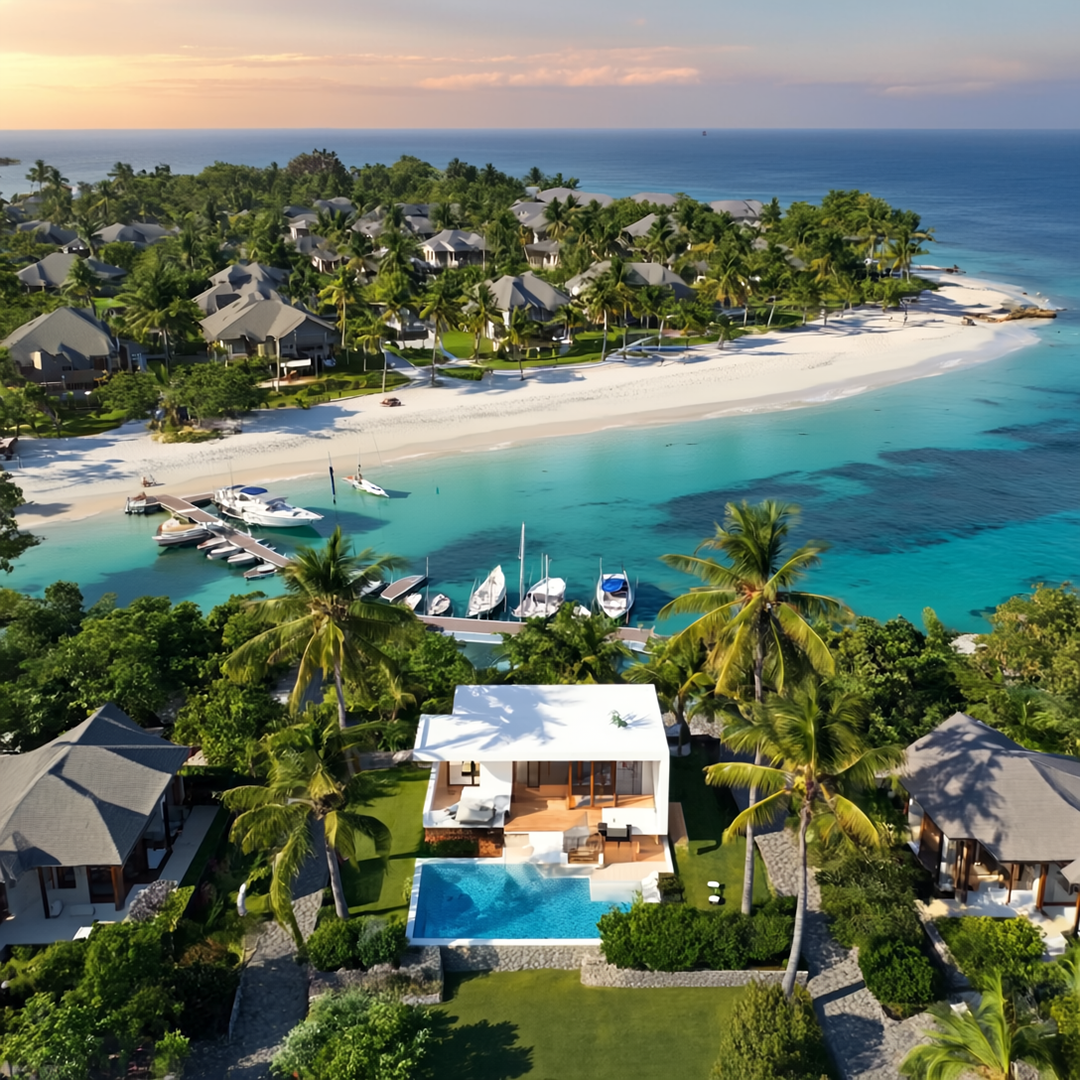
Jamie McIntyre: For us, sustainability starts with restraint. We’re not trying to build a skyline, we’re preserving one. All buildings are designed to sit below the height of palm trees, so when you look across Nesara Bay City, you’ll see greenery, not concrete.
We’re using extensive landscaping and vegetation to soften and partially conceal structures, allowing the development to blend into the natural environment. It’s a conscious shift away from high-density, high-rise development toward something that feels integrated and liveable.
When you say “eco-village,” how are you thinking about energy, water, and materials to genuinely reduce environmental impact?
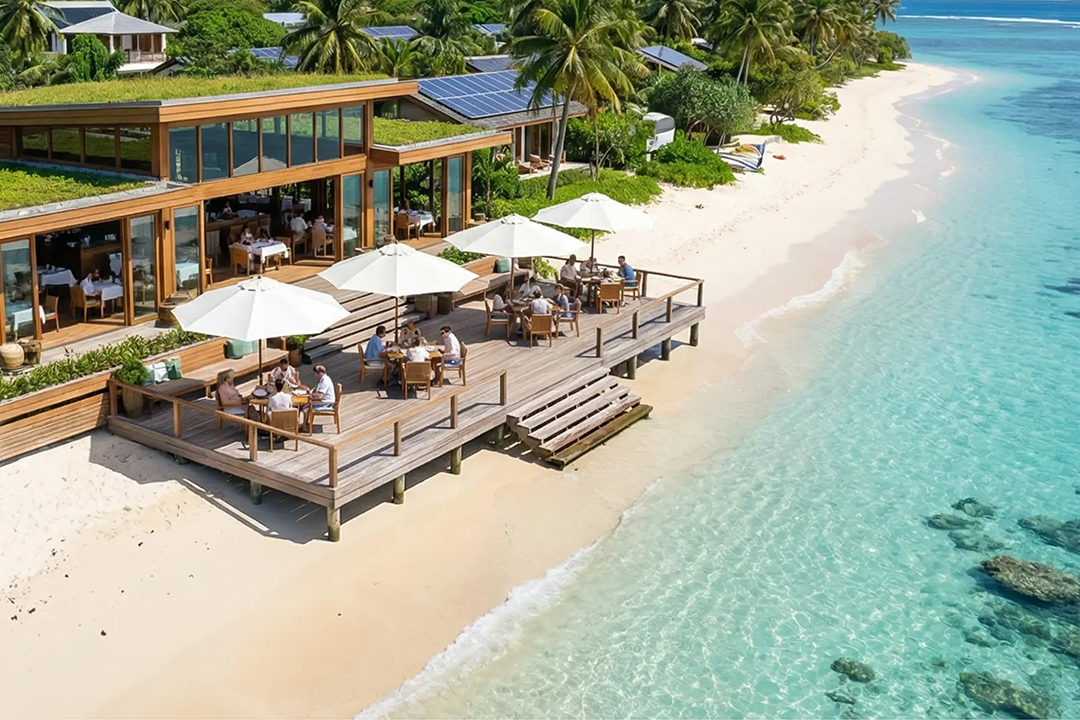
We’re focused on practical sustainability that works in the real world. Energy will initially come from existing government infrastructure to ensure reliability, but we’ll be progressively integrating solar solutions across villas and communal areas.
On waste and materials, we’re putting strong systems in place from day one. This includes structured garbage collection, extensive bin infrastructure, and maximising recycling technologies. Importantly, we are committing to phasing out non-biodegradable plastics across the development within five years.
South Lombok has a unique natural landscape. How are you designing the project to work with the land rather than reshape it?
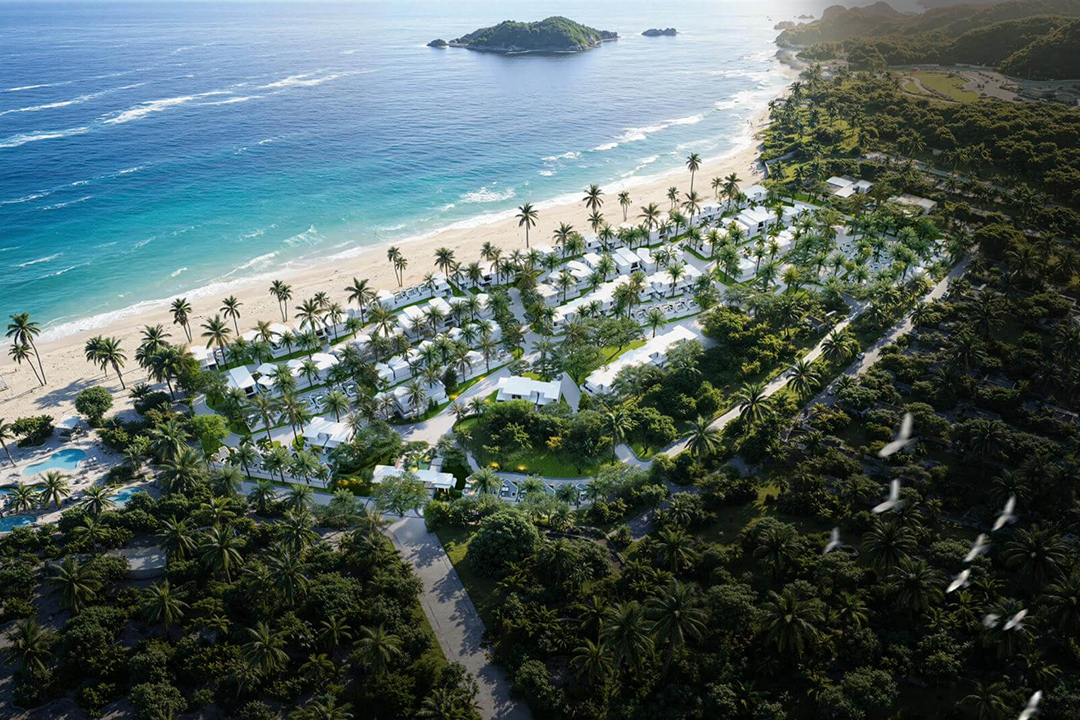
The land dictates the design, not the other way around. We’re working with natural contours, elevations, and views rather than flattening or heavily modifying the terrain.
This approach reduces environmental impact during construction and preserves the character of the location. It also creates a better end experience, where residents feel connected to the landscape rather than separated from it.
Funding a school for local children is part of the plan. How important is social sustainability alongside environmental goals?
It’s essential. A project like this should benefit the local community, not just the people who buy into it.
Supporting education, creating jobs, and contributing to local infrastructure are all part of the broader vision. Environmental sustainability on its own isn’t enough, it needs to be matched with social impact.
Many projects claim to be “green.” What are you doing differently to ensure this is real and lasting?
We’re focused on keeping building heights below the natural tree line, designing with the landscape rather than clearing it, introducing solar alongside existing energy infrastructure.
We are also focused on implementing structured waste management systems, committing to eliminate non-biodegradable plastics within five years and investing in local community initiatives
These are measurable, enforceable steps. Sustainability only matters if it’s actually implemented, not just marketed.














Leave a comment