


Topline
World oil markets are set for their biggest gains in years early this week as the U.S. continues its attacks in Iran and gas prices for American consumers are already rising—with steeper increases expected in the coming days.
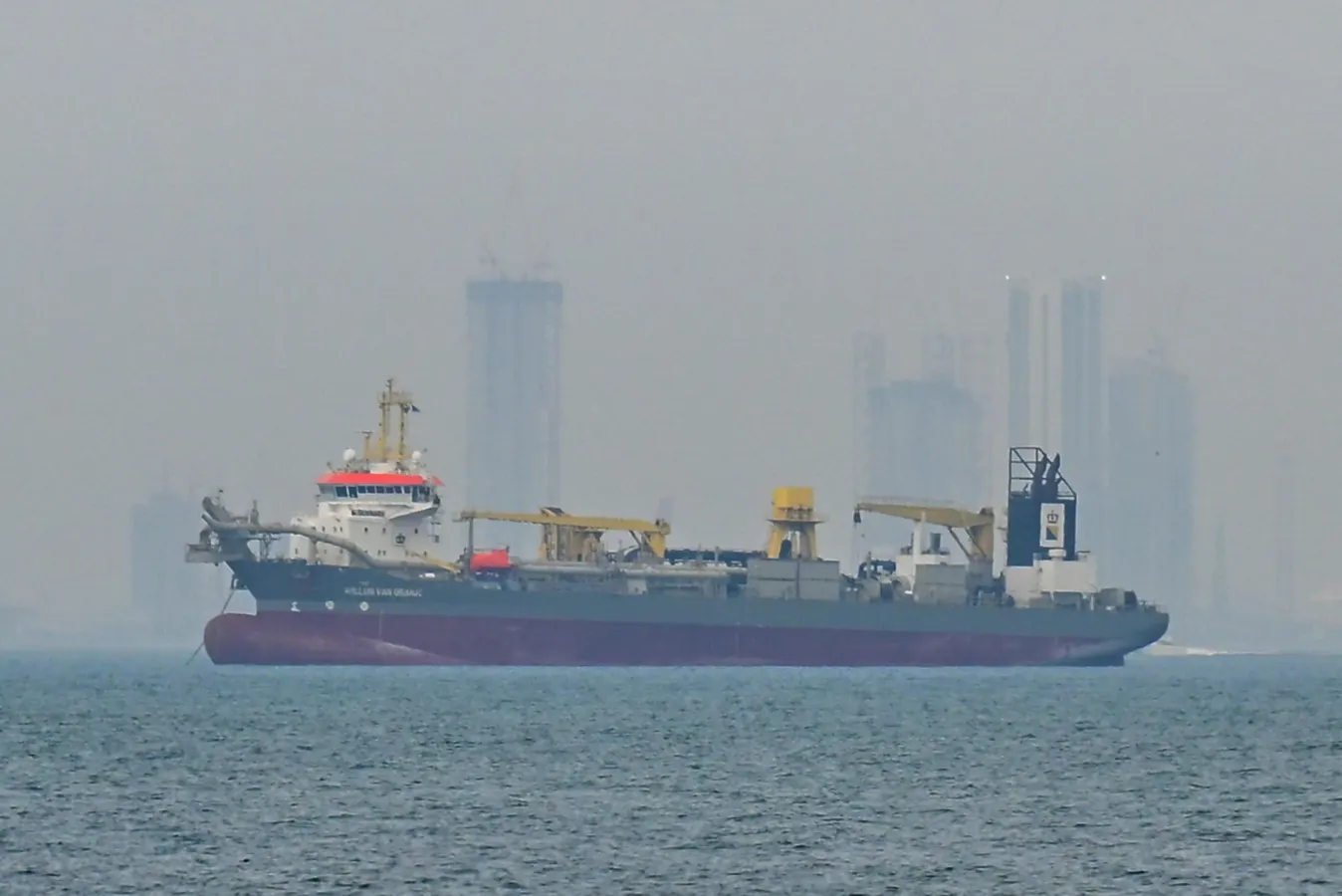
Commercial ships anchor off the coast of the United Arab Emirates due to navigation disruptions in the Strait of Hormuz.
Anadolu via Getty Images
Key Facts
Experts say it’s too soon to know exactly how much gas prices will rise this week but the average price for a gallon of gas in the U.S. rose two cents from Saturday to Sunday, and costs are likely to continue a steady rise as wholesalers increase prices and gas stations pass the hikes along to consumers.
Brent, the international oil benchmark, surged almost 8% Monday to $79 per barrel—the highest level since January 2025—and several oil analysts said it could trade at or above $100 per barrel if the war drags on.
The U.S. West Texas Intermediate benchmark also surged more than 7% Monday to almost $72 per barrel.
Analyst Tom Kloza, an advisor to Gulf Oil, told CNN he expects retail gas prices to rise between 5 and 10 cents per day this week, potentially topping $3.25 per gallon before starting to slow down.
Big Number
$2.997. That was the average U.S. price for a gallon of regular gas as of Monday morning, according to AAA’s survey, which was taken at gas stations on Sunday.
Key Background
While Iran is estimated to produce less than 5% of the world’s oil, it has major influence over the Strait of Hormuz, through which more than 20% of the world’s daily oil demand flows. Iran has already fired on some ships in the strait and traffic through the passageway is at a standstill. While Iran can’t shut down the strait altogether, violence in the region could cause vessel operators and insurance companies to suspend operations, which some already have. Production at the Ras Tanura oil refinery in Saudi Arabia was suspended Monday after a fire sparked by falling shrapnel from two Iranian drones, and QatarEnergy stopped production following an Iranian attack on one of its facilities Monday.
What To Watch For
Escalation. Oil prices could spike further if traffic stops in the Strait of Hormuz continue for a prolonged period of time, or if Iran continues to target oil infrastructure in nearby Gulf states.















Leave a comment