


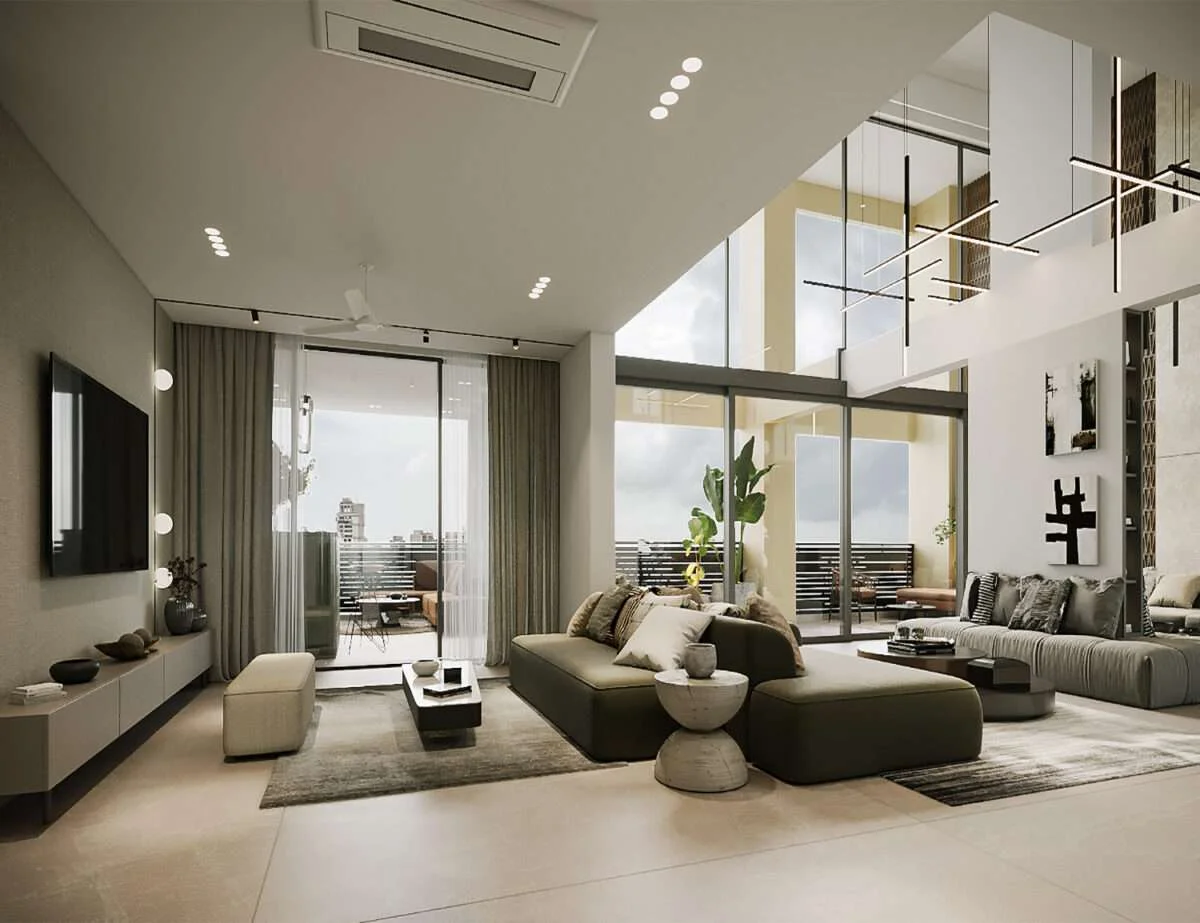
Luxury Living Without Paying Luxury Prices
Insights Shared by Randi Zuckerberg and Jamie McIntyre
Randi Zuckerberg, one of the early executives at Facebook and sister of Mark Zuckerberg, shared with Jamie McIntyre what she believed would become one of the biggest future consumer trends: “luxury living without paying luxury prices.”
McIntyre said he hosted Zuckerberg at a private client event in Brisbane, Australia, in 2012, where the pair discussed emerging business and financial trends over dinner.
According to McIntyre, Zuckerberg explained that some of the world’s most successful future companies would be those that enabled ordinary consumers to access experiences that were once reserved only for the wealthy.
She pointed to companies like Uber, which transformed chauffeur-driven transportation from a luxury service into an affordable mainstream product accessible to everyday consumers.
She also referenced Airbnb, which allowed people to stay in luxury mansions, villas and unique homes around the world without needing to own them.
“Luxury living without luxury prices,” McIntyre said, was the central theme Zuckerberg repeatedly emphasised.
She also highlighted fashion retailer Zara as another major example of the trend, where elite fashion design concepts were adapted into affordable clothing for mainstream buyers.
McIntyre said the conversation had a major influence on his future business strategies and investment philosophy.
Known for identifying long-term macro trends, McIntyre has spent decades encouraging investors to position themselves ahead of major financial cycles. He became widely known within his investor networks for promoting Australian real estate during major growth phases, identifying opportunities in U.S. property following the 2010 housing downturn, recommending gold in the late 1990s at around US$300 an ounce, and discussing Bitcoin when it traded near US$75.
According to McIntyre, many investors within his networks benefited substantially from these early trend predictions.
A few years ago, he also began encouraging investors to explore Bali and Lombok property markets, believing they would emerge as major global tourism and lifestyle investment destinations.
McIntyre later applied the “luxury living without luxury prices” philosophy when building Lux Property Group.
The company focused on creating luxury villas, resorts and apartment hotels while enabling buyers to access properties at early-stage wholesale pricing rather than traditional retail developer pricing.
This strategy became particularly successful in Bali, where strong tourism demand and international lifestyle migration trends drove increasing interest in premium accommodation and investment properties.
The philosophy also shaped the group’s hospitality brands, including Hotel K and Resort K, which were designed to provide premium experiences at more accessible price points.
McIntyre has also cited Australian property developer Harry Triguboff as an influence, particularly the success of Meriton in creating spacious, high-quality apartment accommodation at prices often lower than traditional hotel rooms.
According to McIntyre, one of the greatest advantages entrepreneurs and investors can develop is the ability to identify major consumer and financial trends before they become mainstream.
“The people who recognise trends early,” he said, “often place themselves in the strongest position for long-term success.”












Leave a comment