


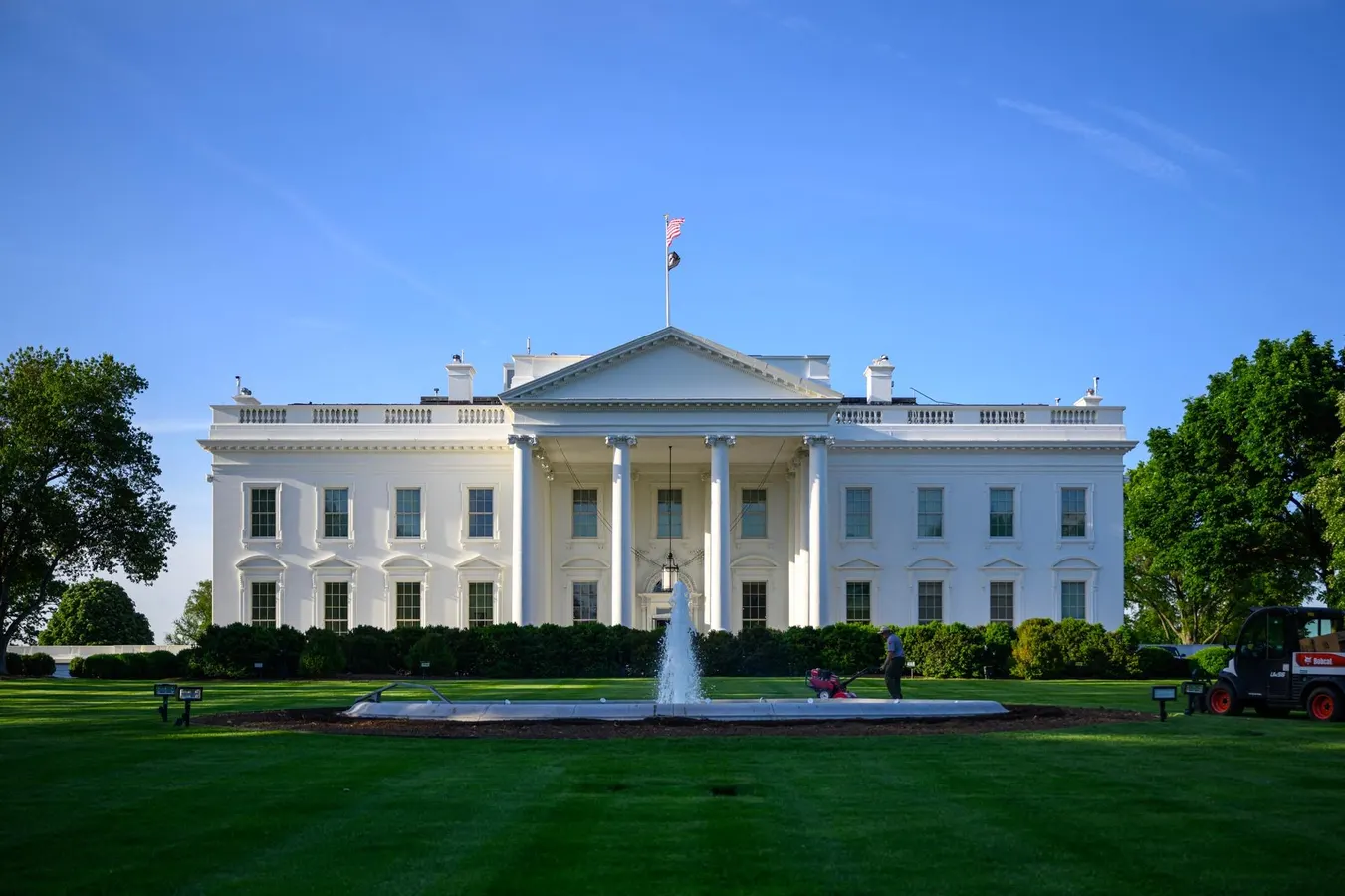

The White House is seen on April 29, 2025, as US President Donald Trump marks his 100 days in office in Washington, DC. After 100 days of political chaos and economic shock that have sent his approval ratings tumbling, Donald Trump hopes to regain the unqualified adulation of his supporters Tuesday at one of his bread-and-butter events: a public rally. (Photo by Mandel NGAN / AFP via Getty Images)
AFP via Getty Images
BB&T Bank didn’t require Troubled Asset Relief Program (TARP) money in 2008. But it took the funds anyway. The powers-that-be at the bank felt they had no choice.
The interventionist George W. Bush administration had “advised” banks to take TARP money regardless of need. Since it’s a known quantity that the federal government can make life miserable for obstreperous banks, they did as they were told.
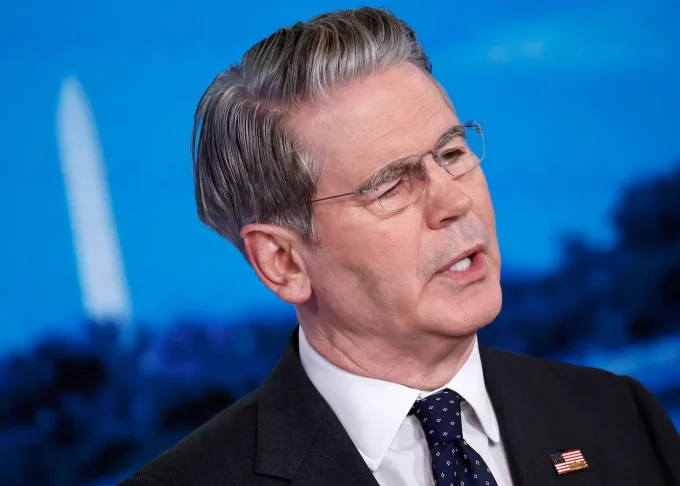
It’s difficult to not think about the federal government’s strong-arming of banks back in 2008 in relation to the news that Wells Fargo will soon undergo a “probe into its mortgage programs aimed at boosting black and minority homeownership.” More specifically, HUD Secretary Scott Turner attacked Wells Fargo’s minority lending programs as “immoral” and “un-American.”
What Turner leaves out in his patronizing criticism is the reality of politics in 21st century America, and surely before. Depending on the presidential administration in power, different priorities emerge. Which makes life very difficult for banks.
Looking back to 2013, the Obama administration initiated Operation Choke Point. Ostensibly launched to fight consumer fraud, the program became a way for the Administration to pressure banks to cease offering financial services to allegedly “high-risk” industries such as firearms dealers, payday lenders, and pawn shops. Only for the proverbial policy sands to shift.
During the first Trump administration, the eventual aim was to keep banks from adopting policies inimical to financing for fossil-fuel companies. During Joe Biden’s presidency, crypto entities fell out of favor, while minority lending initiatives were very much in favor. Which is where we pick back up with Wells Fargo.
While some of the minority lending programs at Wells have origins dating back to the first Trump administration, the Biden administration put substantial pressure on banks to increase lending and investment to minorities and minority communities. See this opinion piece’s introduction to grasp the meaning of “pressure” from the White House.
While HUD Secretary Turner is not accusing Wells Fargo of violating the law, he asserts that “its practice of dividing Americans based on race is immoral, unethical and un-American.” Except that Wells would have nothing to gain by dividing Americans based on race, and certainly can’t gain from faulty loans driven by skin color, over an ability to pay monies borrowed back. Furthermore, the whole notion of a probe ignores what’s driving all of this in the first place. Please read on.
Not asked enough is why the Trump White House, or the Biden, Trump, Obama, Bush White Houses that preceded this one, are meddling in the lending practices of banks to begin with. Republicans in particular routinely mouth the rhetoric of businesses solely being in business at the pleasure of shareholders, yet Democrats and Republicans routinely pursue a say in how banks lend. Which speaks to the problem, and it’s not Wells Fargo.
In a normal world, banks would be free to pursue all manner of initiatives, good and bad. Only for the markets to decide what’s good and bad. Alas, the world is not normal.
As we see as far back as 2008, and certainly long before that, getting on the wrong side of the federal government is an error that can be existential. Which means banks don’t do that.
The result as you read this is that Wells Fargo faces a federal probe instigated by actions largely taken during a Biden administration that was putting a lot of pressure on banks related to minority lending. Which is the point: sometimes doing what’s “best” for shareholders is very sadly doing what the existing White House desires.













Leave a comment