


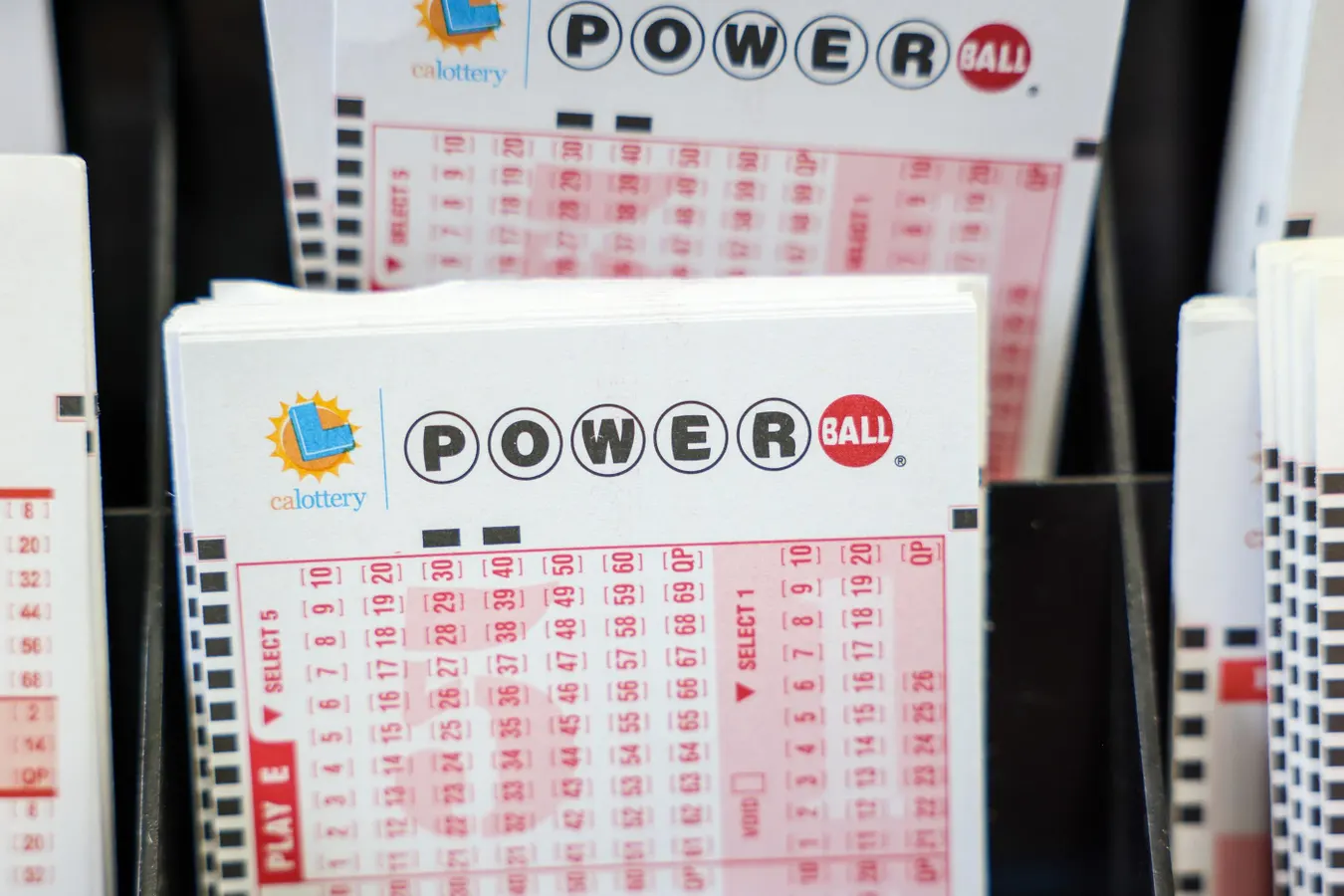

Powerball
Los Angeles Times via Getty Images
Starting July 21, 2026, residents of the UK were introduced to the American tradition of the Powerball. In this mega-lottery drawing, those wishing to participate can now buy tickets in their attempt to win the same mega jackpot as their American counterparts. Yet, there was one problem with the first drawing – the Powerball jackpot prize in the UK is roughly $400.4 million (£300 million), whereas the jackpot prize in the US is $567 million, according to CompareTheLotto. The reason why the jackpot prize is significantly smaller in the UK is that the advertised winnings are presented on an after-tax basis.
What Powerball’s UK Launch Actually Changed
Powerball has been in the US since 1992, and tickets can be purchased in 45 states, DC, Puerto Rico, and the US Virgin Islands on a more-than-weekly basis to have an opportunity to win life-changing money. This move to sell tickets outside of the US marked a monumental shift as it traverses international borders for the first time.
Different from the US, the UK tickets cost £4 (approximately $5.33), according to Powerball, which is more than double the $2 ticket cost in the US. Like the US, more than half of every ticket sold in the UK will stay within the country to fund public programs for their residents. Despite some of the differences, it is noteworthy how similar the lottery will be. It will be the same drawing and the same jackpot as what is in the US. The key piece that the two countries will differ on is the size of the jackpot.
Why The Advertised Powerball Jackpots In The US And UK Do Not Match
The advertised jackpot prize for the Powerball in the US is the gross total of a 30-year annuity. For instance, if a player wins a $600 million jackpot prize, they will receive $20 million annually for the next 30 years. The catch is that no winner ever collects that amount. The federal government taxes 24% of the winnings immediately. The winner will owe even more once they file their taxes, as their taxable income after winning the Powerball easily puts them into the top tax bracket (over $640,600 for single filers; over $768,700 for married filers), meaning that the winners will owe approximately 37% of their winnings in federal income taxes.
Even beyond the federal taxes, winners will owe state income taxes on their winnings. Many states do not have income tax (i.e., Florida, Texas, Tennessee, Nevada, among others). Furthermore, some states, like California, exempt lottery winnings from income taxes. However, any other state that levies a tax on income will also take a share of the winnings. The end result is that the $600 million jackpot prize predictably results in far less money than what actually goes to the winner. Put differently, based on how the tax code is written, the Powerball jackpot prize arguably resembles a form of misleading advertising, as there is no conceivable way in which the winner will receive that amount of money.
Recognizing this potential issue, the UK decided to provide a more direct path to their lottery winnings. First, the UK does not tax lottery winnings. Thus, if a player hits the jackpot, their gross income will not be impacted on their tax forms. Second, the advertised jackpot prize applies the highest applicable UK tax rate to the shared pool, and it converts what is left over into pounds, according to Allwyn. The result is that the UK winners are effectively taking home the after-tax prize, even though they would otherwise be entitled to more given the lack of a lottery tax in the UK.
Beyond the jackpot prize difference, the US winners get a choice upon winning the jackpot – a 30-year annuity or a discounted lump sum payout immediately. Meanwhile, the UK winners do not have a choice, and they must take the annuity option. Most US winners take the lump sum payout, which puts the UK system at odds with the expected preferences of the winners.
Taking it all together, the Powerball in the UK offers an identical game based on the drawing and odds, and it has an identical jackpot. However, even beyond the foreign currency translation, one must take taxes into account when connecting the dots, as the UK effectively advertises after-tax payouts, whereas the US advertises the pre-tax number.
The UK Powerball Jackpot Emerges In The Shift To All-In Pricing
The notion of providing a clear depiction of what the consumer is purchasing has always been in the minds of businesses, policymakers, and, of course, the consumer. However, it has emerged in recent years as consumers have been frustrated by junk fees and deceptive practices. The FTC’s May 2025 ruling on unfair or deceptive fees was a way to force sellers to be more transparent about these costs. For instance, following these new rules, live-event ticket sellers and short-term lodging providers are required to show the full total (including every mandatory fee) whenever a price appears.
Lottery jackpots never typically faced this type of scrutiny because the fees are not hidden. When a US player wins the jackpot, they are now receiving an increase to their gross income, which is subject to taxation. The taxes owed are required under federal and state laws, and it is the duty of the players to abide by those laws. However, psychological factors may make adhering to the US tax laws similar to the junk fees that regulators are looking to eliminate. In particular, the sticker price on the jackpot winnings is never actually able to be collected in the US, potentially leading to unfair practices by the Powerball. The UK gets beyond this by providing more transparent pricing on the outcomes for the jackpot winner.
It may be tempting to read the headlines and presume that the US Powerball is taking advantage of moving to a new country and offering a significantly smaller jackpot. However, that notion is backward. The UK Powerball jackpot figure is the all-in winnings to the player who matches all six numbers. Rather than advertise a larger number, they are required to advertise the after-tax number. The US figure is the one that effectively needs an asterisk every time a lottery official says it out loud since the US and states take a huge chunk of those winnings in the form of taxes. As Powerball’s international expansion puts American and British jackpot headlines next to each other more often, the gap between them is not a currency quirk to shrug off. Instead, it is a preview of the question US regulators are already asking about many things from concert tickets to hotel rooms: is the advertised price the price anyone actually gets? For lottery jackpots, the UK just answered that question before the US did.















Leave a comment