


Topline
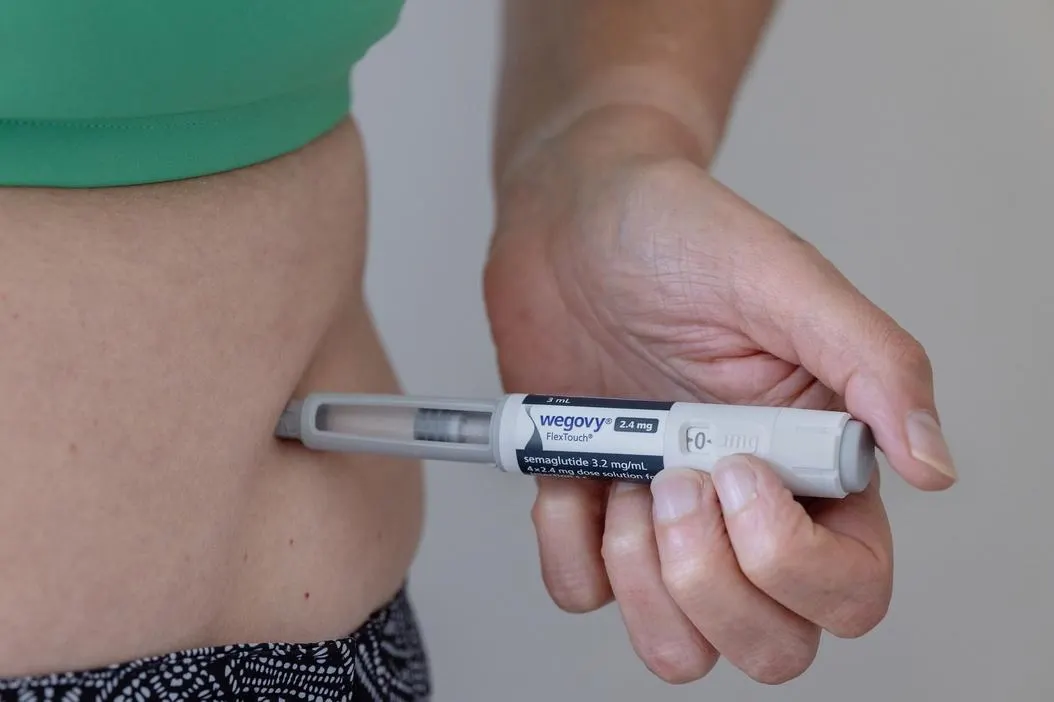
The World Health Organization on Wednesday warned against the use of GLP-1 weight-loss medications in obese children as pharmaceutical companies continue with pediatric research studying how the ultra-popular medications impact kids under 12 years old.
Wegovy is produced by pharmaceutical company Novo Nordisk.
Corbis via Getty Images
Key Facts
The new WHO guidance on childhood obesity explicitly recommends against using anti-obesity medications in children 9 years old or younger, citing insufficient evidence on how the drugs impact long-term growth and mental health and a risk of dangerous misuse among one of the world’s most vulnerable populations.
The WHO cited research showing that GLP-1s often result in major drops in daily caloric intake which, in children, can lead their energy intake to become so nutritionally inadequate it harms their body’s growth, development and overall health.
Instead of turning to GLP-1s, the WHO recommends a number of lifestyle interventions including a modified diet, increase in physical activity and behavioral strategies to address childhood obesity, which has seen global prevalence among children and adolescents ages 5–19 rise from 4% to 18% since 1990.
The guidance comes as multiple pharmaceutical companies conduct clinical trials evaluating the medicines in children and adolescents, including Saxenda and Wegovy manufacturer Novo Nordisk.
The company last month said Wegovy helped two of five obese children between the ages of 6 and 12 lose enough weight to no longer be classified as obese after taking the medication for a year.
Eli Lilly is conducting pediatric trials for its drugs Mounjaro and Zepbound, and AstraZeneca and Pfizer are also testing and studying GLP-1 receptor agonists in children.
BIG NUMBER
600% That’s the surge in GLP-1 prescriptions written for patients aged 12 to 25 between 2020 and 2023. Prescriptions for kids ages 8 to 11 with obesity have surged 310-fold since 2019, according to MedPage Today.
TANGENT
GLP-1 receptor agonists, which regulate blood sugar, slow down digestion and reduce appetite, have grown from medications to manage Type 2 diabetes to a broader pharmaceutical trend and widely used weight loss medication. Clinical trials show patients can experience average weight loss ranging from 15% to over 20% of total weight and regulatory approvals have expanded GLP-1 indications to be used for chronic weight management, cardiovascular events, obstructive sleep apnea, fatty liver disease and other conditions. Prescriptions for GLP-1s specifically for weight management and obesity grew by more than 580% between 2019 and 2024, and Medicaid spending on GLP-1 drugs increased from about $1 billion to $8.6 billion in the same period.
Key background
Childhood obesity affects roughly 160 million children and adolescents worldwide, and is projected to reach over 250 million by 2030, per the WHO. About 8.5% of children globally are classified as obese, but that number rises in regions like North America and Polynesia. In the U.S., more than 21% of children and teenagers have obesity and about 7% meet the threshold for severe obesity. Rates are historically higher in low-income households and among Black and Hispanic youth. Childhood obesity results from a complex interaction of factors including socioeconomic status (lower-income people often have high access to low-cost, ultra-processed food and low access to affordable fresh produce); behavioral dynamics (increased screen time, sedentary routines and insufficient sleep); genetic susceptibility (predispositions affect appetite control, fat storage and metabolic rate); and psychosocial stressors like chronic stress, trauma or mental health challenges. Those impacted by childhood obesity are more likely to suffer from type 2 diabetes, non-alcoholic fatty liver disease, high blood pressure, high cholesterol and mental health challenges like anxiety and depression.















Leave a comment