


In a world of social media, is visibility the new credibility?
For decades, senior leaders were trained to communicate only when the message was polished, approved, and strategically timed.
The formula was simple. The CEO spoke through the annual report, the chief communications officer handled public statements, and internal updates were filtered through layers of review. The higher someone climbed in an organization, the more carefully their visibility, or invisibility, was managed.
That era may be coming to an end as visibility is becoming one of the most important ways a leader builds credibility.

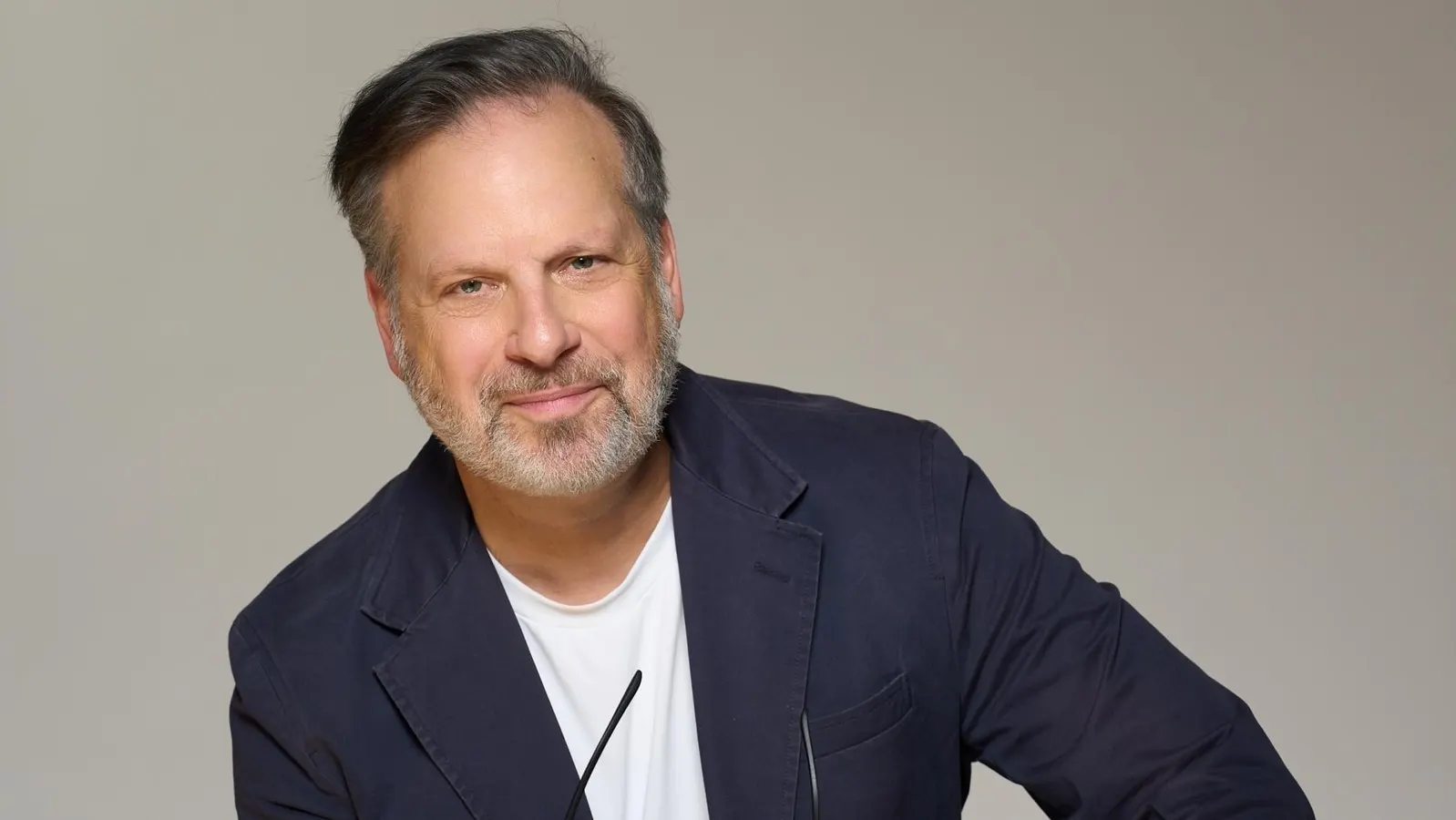
Rob Schwartz is the former Madison Ave CEO for TBWA\Chiat\Day, who now coaches leaders to speak up, be creative and master storytelling.
Courtesy: Rob Schwartz
This year in Cannes, one of the biggest topics of discussion was the need for C-Suite leaders to lean more toward becoming influencers, as clients, employees, partners, and investors no longer want to engage only with brand voices. Instead, they want to understand the people leading them, what executives believe, and whether they are paying attention to the world around them.
In that environment, invisibility is not seen as neutral but as a choice to create distance.
Today, when leaders are rarely seen or heard, more people are filling in silence with assumptions and absence can quickly be interpreted as avoidance.
The Medium Matters Less Than The Signal.
For C-suite leaders, the need is to show up consistently in some way. This can be through writing thought pieces on Substack or LinkedIn, joining town halls, appearing on podcasts, or recording short videos directly to employees.
“The best CEOs are the best storytellers in the company. And for those leaders who want to improve their game, remember these three things: One, your company’s origin story is often your best way to navigate today’s challenges; tell folks about the founders and what they faced. Two, there’s a difference between a story and speech, so be human and give the jargon a rest. Three, when you’re tired of telling the story to the organization, that’s just about the time it’s probably sinking in, so tell it again. And again. As they say in Hollywood, ‘once more, with feeling,” said Rob Schwartz, former CEO TBWA\Chiat\Day, who now spends his days as an Executive Leadership and Performance Coach.
Employees today are operating through a constant lens of disruption from artificial intelligence, to return-to-office debates, to shifting expectations around culture and leadership. As a result, leaders who communicate infrequently risk appearing detached from their teams’ lived experience.
Internal visibility reminds employees that leadership is not hiding behind the org chart. It gives people context for difficult decisions. It helps teams understand not only what is happening, but why.
CANNES, FRANCE – JUNE 24: Adam Davidson and Mike Minton speak onstage during ‘How is Gen Z Engaging With Sports? Lessons From The Digital Platforms Transforming The New Sports Content Economy’ on Day 3 of Cannes Lions 2026 on June 24, 2026 in Cannes, France. (Photo by Kate Green/Getty Images for Cannes Lions)
Getty Images for Cannes Lions
“Empty promises have never been more damaging. Storytelling that is disconnected from operational truth is just noise.” Said J.J. Carter, CEO FleishmanHillard, a global communications consultancy, “Authenticity equals accountability. Effective leaders have to be willing to own the missteps, and when things don’t go as planned.”
Clients are watching too.
In competitive markets, buyers often choose the organizations they trust most. A visible executive can become a powerful differentiator by humanizing the company. They give clients confidence that there is judgment, conviction, and accountability behind the product or service.
Leadership communication does not require perfection. Audiences have become skilled at detecting corporate language and they know when a message has been sanded down by an approval process. Being technically correct but emotionally hollow is not a win.
Honest and Imperfect Visibility Is Powerful.
A leader who acknowledges uncertainty, shares what they are learning, or explains how they are thinking through a challenge often earns more trust than one who waits until every answer is finalized.
According to FleishmanHillard’s License to Lead Leadership Playbook, brand stakeholders, both internal and external, want to know what leaders believe, what they are building, and how they think. This is especially true in an era when 99% of CEOs expect to reduce their headcount due to AI over the next two years.
Executives still need judgment, but pursuing perfect messaging can become its own reputational risk if it results in silence.
DAVOS, SWITZERLAND – JANUARY 21: People listen to U.S. President Donald Trump deliver a speech at the World Economic Forum (WEF) at the Davos Congress Center on January 21, 2026 in Davos, Switzerland. The annual meeting of political and business leaders comes amid rising tensions between the United States and Europe over a range of issues, including Trump’s vow to acquire Greenland, a semi-autonomous Danish territory. (Photo by Chip Somodevilla/Getty Images)
Getty Images
For many executives, this feels uncomfortable. They were promoted for operating excellence, not public storytelling. They may worry about saying the wrong thing, attracting criticism, or appearing self-promotional.
But the greater risk may be invisibility in an age where visibility shapes influence.
Leadership has always required presence. Today, the difference is that presence must extend beyond the boardroom and across digital platforms and public conversation. The leaders who understand this will create content with a connection.
For C-suite leaders, the question is not whether they should be visible; the question is what their absence already communicates. Because in today’s marketplace, not being seen sends a message too.
And increasingly, leaders willing to show up consistently, honestly, and with humanity will become the ones people trust most.














Leave a comment