


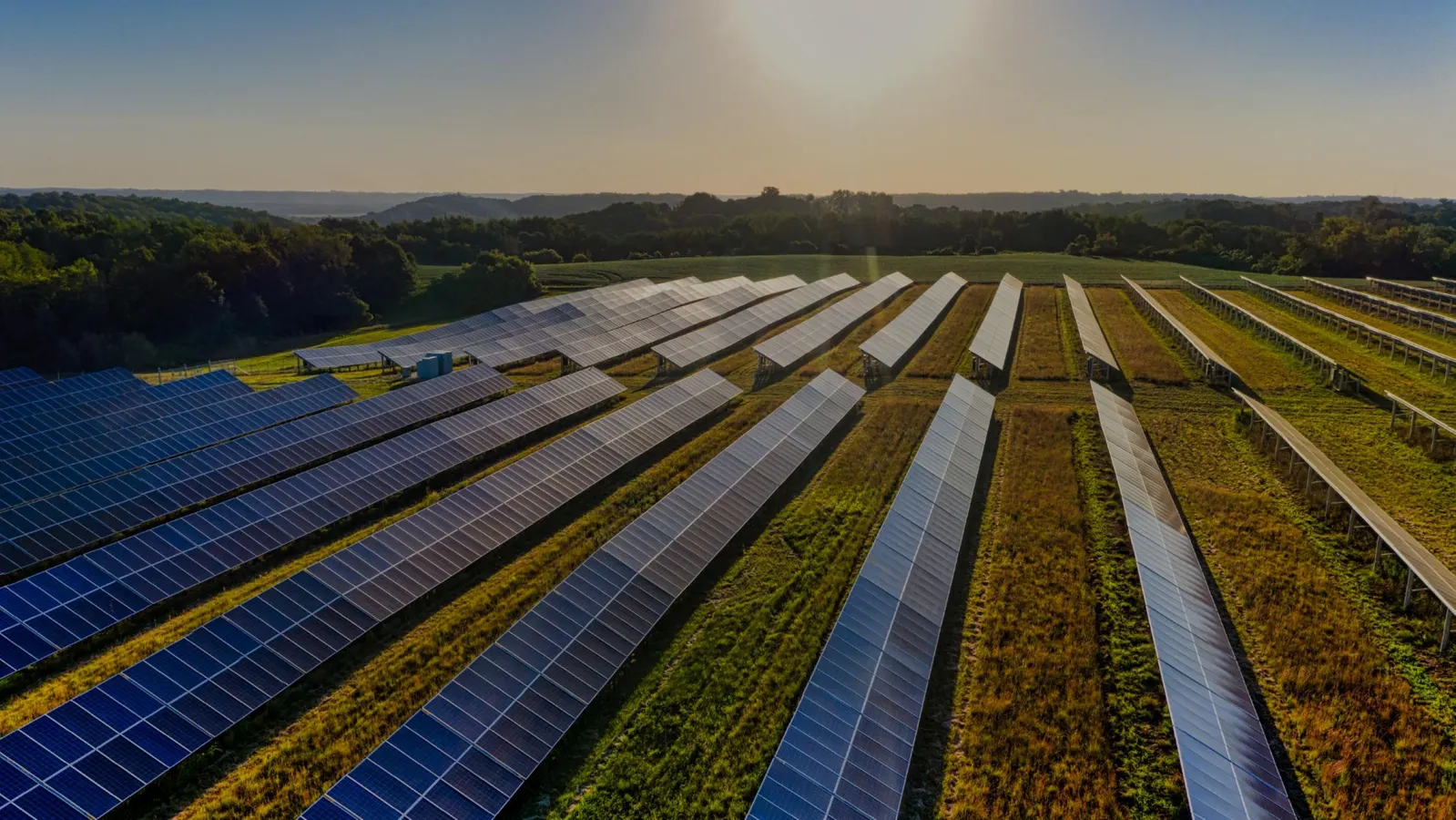
MN8 Energy is building a $350 million solar and battery power plant to be used by Google on the site of former open-pit coal mine in West Virginia.
MN8 Energy
Google will be the main buyer of electricity from a first-of-its-kind $350 million solar power plant being built on a former West Virginia strip mine, combining lithium batteries with longer-duration zinc packs to power the tech company’s data centers around the clock with clean energy.
The plant is being built by developer MN8 Energy and includes 86 megawatts of solar, 280 megawatt-hours of lithium-iron phosphate batteries for short-term energy storage and 100 MWh of zinc-based batteries made by Eos Energy to provide power overnight for at least 10 hours. It will be connected to the primary East Coast power grid when it’s fully completed in 2030, and Google will buy electricity from the project for the next 20 years, MN8 CEO Jon Yoder told Forbes.
“This is a project designed to push the boundaries of technology,” he said. “We’re not claiming that we’ve unlocked the key to allowing solar to produce a consistent stream of power around the clock, but it’s moving closer to that.”
Public sentiment toward data centers in the U.S. couldn’t be worse, with Gallup finding that 70% of Americans oppose the massive facilities being built near where they live because of their impact on utility rates, water use and noise. At the same time, the big tech companies building them are pouring billions of dollars into clean energy projects, propping up investment in solar, battery and wind after the Trump administration gutted most federal incentives for renewable power.
The overriding motivation for doing so is likely expediency and economics. Spiking demand for electricity in the U.S. has made that the fastest option for new power, given that it currently takes about seven years to get new gas turbines installed.
“We don’t have the same supply chain constraints other forms of electricity generation face right now,” said Yoder, who estimates the company, spun out of Goldman Sachs, operates $6 billion worth of renewable power projects around the U.S., generating about four gigawatts of electricity. “And if you think about all of the activity that’s gone into new development of power projects really over the last decade, it’s really been focused on renewables.”
The zinc-based packs from Eos Energy, headquartered in Pittsburgh, may prove to be an attractive option to improve utility grid stability and power data centers not only because they can store power for up to 14 hours. They also have little risk of overheating and rely mainly on materials that can be sourced from within the U.S., said CEO Joe Mastrangelo.
“If you look at the primary applications that we have installed in the field, we have solar plus storage, we have a wind plus storage project installed, and then we do a lot of standalone energy storage for grid firming,” he said. “And very importantly, 91% of our build of materials is from the U.S., and all of our manufacturing and data and analytics are done in the U.S. as well.”
The MN8-designed Mammoth Solar project in Kanawha County, West Virginia, will eventually produce enough power to support a small city, and is being built on a former open-pit coal mine.
“It’s a true brownfield,” Yoder said. “We’re able to site the project there and put land that has otherwise been quite disturbed back into productive use.”
















Leave a comment