


Consumer Brands Grapple With “Poverty Of Attention”
getty
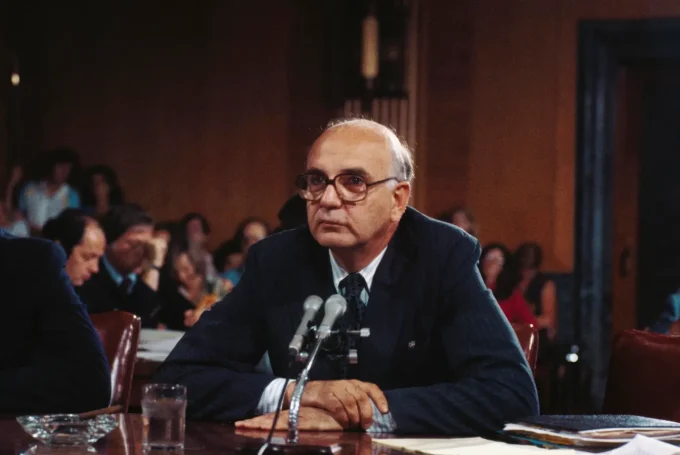
The downside of today’s “frictionless” world made possible by technology was predicted 55 years ago by a computer science professor who was a pioneer in the study and development of artificial intelligence.
Herbert A. Simon gave a speech in 1971, as the Information Age was beginning, in which he talked about the problem of “information overload.” In the context of the digital blur we live with today, that sounds laughable. Newspapers and magazines were flourishing. There was too much to read!
What he said next all those years ago is spooky for how accurately he nailed the marketing headache that all consumer-facing companies are dealing with right now.
Information consumes “the attention of its recipients,” Simon said. Attention is a limited resource. “Hence a wealth of information creates a poverty of attention.”
Today we call it “digital fatigue” and everyone knows what it means.
Our devices and social media apps are bloated with content, we waste hours scrolling, and we remember very little of any of it. We are just distracted.
On top of consumer burnout, the AI tsunami is undermining confidence that anything we see on our screens is authentic, and feeding the fear that anything we click on is either a scam or an ad in disguise. As a result, consumer behavior and attitudes are changing.
“People are quietly withdrawing from active participation,” according to a recent report by Incogni, a data removal service. The company said a survey of 1,000 adults found that about half reported posting less on social media than they used to; were limiting who can see their posts; and had deleted a social media app to ease stress or anxiety. More than half (including 60% of Gen Zers) described keeping up with their social media activities as a chore.
Social media plays a big role in consumer marketing but it turns out that most shoppers make their actual purchases elsewhere.
According to ESW, a global e-commerce platform, 62% of consumers say they discover products they want to buy on social sites and through AI, but only 6% actually buy directly through them. Instead, they go to the brand’s home site or compare prices on the marquee e-commerce sites where they have accounts.
Brandwatch, a digital consumer research firm, analyzed nearly a billion online brand mentions late last year and concluded, “There is a widening trust gap between marketers and consumers. Consumers are rewarding brands that deliver transparency and authenticity while punishing those that don’t.”
Frictionless has been the marketing battle cry since the e-commerce boom that began in 2020. Shopping should be effortless. Checkout a breeze.
But the prevailing winds appear to have shifted and that should be an opportunity for retailers that haven’t forgotten the basics: listening to customers and delivering a great experience. Many executives I speak with say they are doing just that, listening and delivering. The problem however is that there is a huge disconnect between what leaders perceptions are and those of their customers. It is time for companies and their leaders to consider outside data (a voice outside their ecosystem) modeled in different forms to inform their decisions.















Leave a comment