


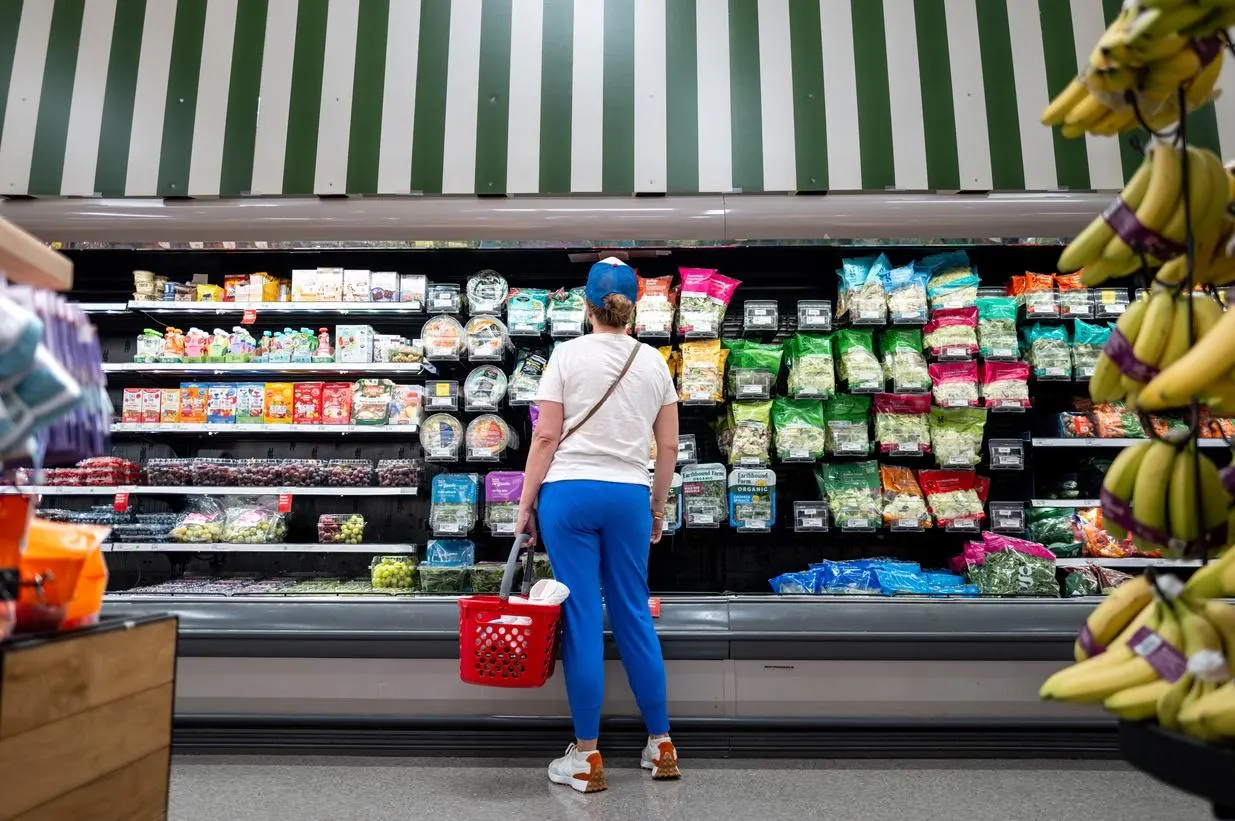

Target has reduced prices as consumers face a challenging holiday season. (Photo by Brandon Bell/Getty Images)
Getty Images
Target is entering the holiday shopping season with price cuts across home, apparel and accessories, suggesting that value could be the defining theme of the 2026 holiday season.
The Minneapolis-based retailer is reducing prices on nearly 2,000 home and apparel and accessories items for cash-strapped consumers, building on more than 10,000 price reductions over the past year.
The company is also preparing to compete aggressively for early holiday spending, with its Target Circle Deal Days promotion scheduled for Oct. 6-7, running concurrently with Amazon’s Prime Big Deal Days event.
For retailers, the stakes extend beyond the discounts themselves. The holiday period is a critical test of whether consumers are prepared to spend on apparel, home furnishings and gifts, or whether persistent pressure on household finances will push more purchases toward promotions, lower-priced alternatives and essential goods.
Forecasts point to another year of holiday sales growth, but the headline figures do not necessarily mean consumers feel financially comfortable.
Deloitte expects holiday retail sales to increase between 4% and 4.8% from the same period in 2025, reaching as much as $1.71 trillion. The consultancy also forecasts e-commerce sales growth of 7.5% to 8.4%, putting online holiday spending at between $316.1 billion and $318.9 billion.
Mastercard’s forecast is somewhat more optimistic, projecting 5.5% growth in U.S. retail sales excluding autos and gas between November 1 and December 24. Online sales are expected to rise 11%, compared with 3.6% growth in physical stores. Mastercard said its forecast would represent the strongest holiday sales growth since 2022.
Deloitte specifically highlighted value-seeking behaviour across income groups, including switching between retailers and brands and using promotions to manage spending. Its forecast also anticipates disposable personal income growth of between 4.5% and 5.2% during the holiday period.
Target Looks To Value For Growth
That creates an opportunity for Target, but also a challenge. If consumers are determined to spend less on individual purchases, retailers may need to offer more compelling prices simply to maintain sales volumes.
The average price of women’s shoes is now $35, compared with $40 a year ago, while the average price of children’s rain and winter boots has fallen by approximately 15%. Prices across the retailer’s refreshed bedding collection are down an average of 15%, the company said.
Cara Sylvester, Target’s executive vice president and chief merchandising officer, said of the cuts: “Guests are looking for great products at an incredible value, and that’s an important part of what we aim to deliver every day.”
Target’s latest pricing push comes as the retailer attempts to build on improving trading performance.
Target is taking on Amazon’s Prime deals days through its loyalty program.
Getty Images
In its second-quarter results, reported in August, Target posted net sales growth of 5.3% and comparable sales growth of 3.8%. Comparable store traffic increased 3.6%, while digital comparable sales rose 8.7%, supported by more than 25% growth in same-day delivery. All six of its core merchandising categories recorded year-over-year sales growth.
However, management has identified apparel and home as areas where it wants more sustained growth.
“Flattish growth in apparel and home isn’t what we strive for over time, and the earnings power potential of those two high-margin categories returning to a place of more sustained growth is something we look forward to,” CEO Michael Fiddelke told analysts.
Target Takes On Amazon Prime
The retailer’s next major promotional event, Target Circle Deal Days, takes place Oct. 6-7 for members of its free loyalty program, putting it in direct competition with Amazon’s Prime Big Deal Days, creating an early opportunity to capture spending before the traditional November and December peak.
The Nov. 3 U.S. midterm elections introduce another source of uncertainty into an already complicated economic backdrop, with the run-up to polling day likely to keep economic policy, inflation and household affordability in the political spotlight.
However, the midterms are unlikely to materially reduce holiday spending as the election takes place before Black Friday and Cyber Monday, leaving retailers to navigate the normal holiday promotional calendar afterwards.
Target has moved quickly but the key to this year’s holiday season is whether the U.S. consumers’ notoriously robust spending can survive another tough 12 months.















Leave a comment