


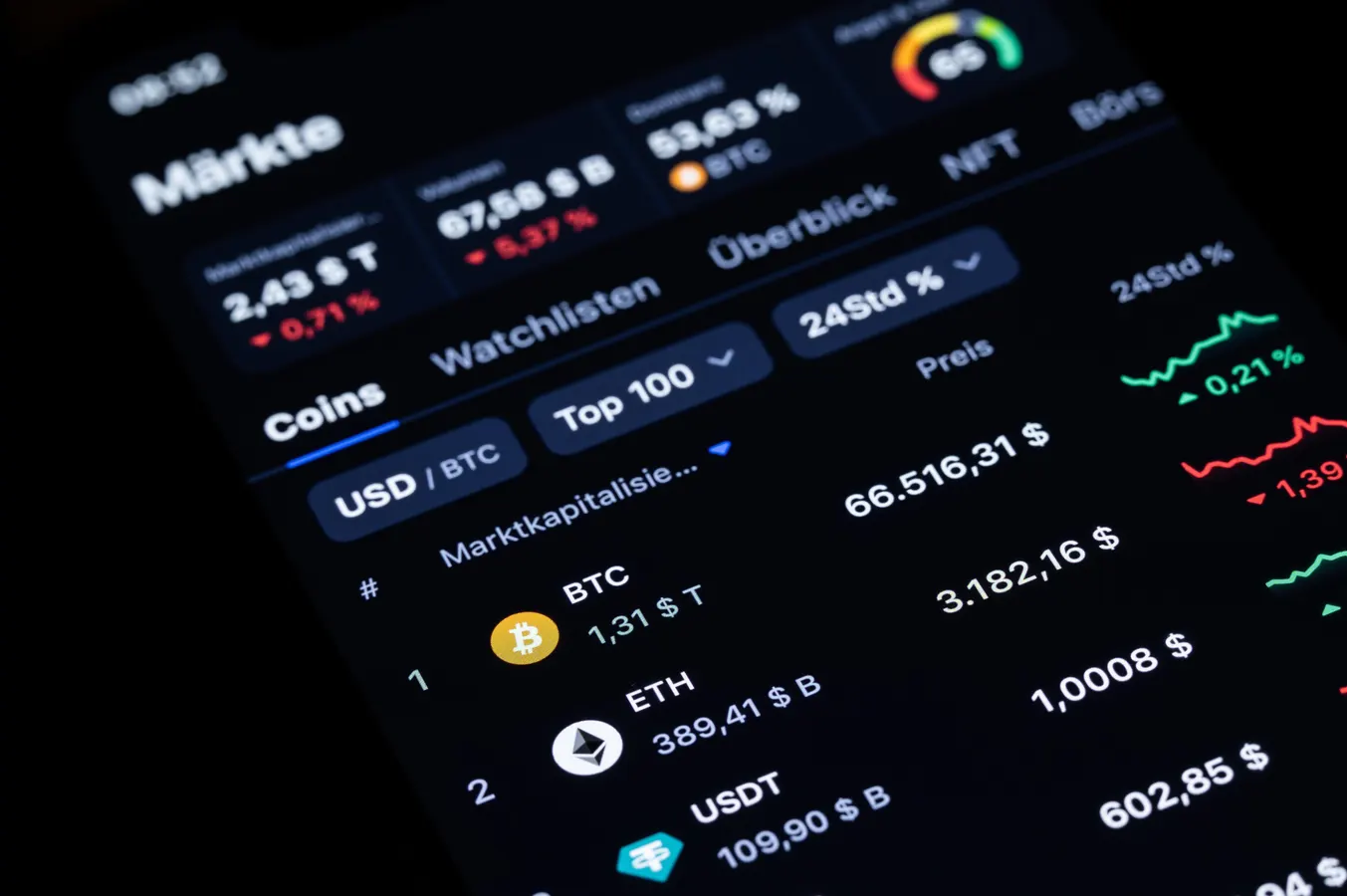

SYMBOL – 23 April 2024, Baden-Württemberg, Rottweil: The logos of the cryptocurrencies Bitcoin (BTC), Ethereum (ETH) and the stablecoin Tether (USDT) can be seen on the CoinMarcetCap trading platform. Photo: Silas Stein/dpa (Photo by Silas Stein/picture alliance via Getty Images)
dpa/picture alliance via Getty Images
The “riskless” stablecoin banking narrative has never really made sense. Long implied in the popular notion that stablecoins are a near risk-free asset is that since dollars are stable, so are the digital currencies (“stablecoins”) that derive their value from their 1:1 relationship with the dollar. But for one problem.
The dollar is not stable. By design. Since it was floated in 1971, its value has been a moving target. Evidence supporting the previous claim can most easily be found in global currency markets that handle trillions worth of transactions daily. The dollar factors in nearly every transaction.
Consider also how Treasury recently intervened in the Japanese yen’s slide versus the dollar. The intervention was further evidence not just of currency instability, but of the willingness of monetary authorities to intervene in the price instability. Also, was the yen sliding or the dollar rising? Whatever the answer, neither one supports the “stable” in the stablecoin narrative.
This rates more conversation as stablecoin exchanges seek the right to pay interest (they call it “rewards”) on stablecoin deposits held at the exchanges. Said another way, cryptocurrency exchanges at which stablecoins are the most common digital currency housed (by far) want to be banks.
Except that they don’t want to endure the substantial regulation that banks in the U.S. presently do. And their justification is that stablecoins derive their value from stable dollars.
Ok, but banks house dollars while enduring enormous amounts of regulation for the privilege. Without defending the regulation, why should crypto exchanges be treated differently? Not only are the dollar derivatives they warehouse the opposite of stable, the dollar/yen intervention reveals yet another risk inherent in dollars: that domestic and global monetary authorities will intervene in the prices of currencies that give “stablecoins” life.
Which brings us to U.S. Treasury securities that exist as dollar income streams. Stablecoin warehouses fund their “rewards” through their purchases of short-term Treasuries. They bill the latter as more evidence of just how “vanilla,” and risk-free their operations are. Hmmm.
It specifically recalls a quip of recent vintage about how markets were “getting it wrong.” That’s how Treasury secretary Scott Bessent phrased it to justify his near and long-term intervention in the Treasury markets. Bessent felt yields were too high.
While Bessent’s former colleague in Stanley Druckenmiller questioned his actions, others expressed the view that as the issuer of Treasuries, the U.S. Treasury should very much desire to have its view of the value of Treasury income streams reflected in the marketplace. Wise minds can seemingly disagree here. But that’s in a sense a digression.
For the purposes of this opinion piece, the Treasury market intervention is yet another scenario that calls into question not just the stablecoin narrative (Treasury is the dollar’s mouthpiece), but the accepted wisdom that crypto exchanges are not operating as banks in their warehousing of stablecoins on which they pay interest. The viewpoint is difficult to countenance, and for obvious reasons. Floating dollars don’t become safer if they’re digital derivatives of the real thing, and then Treasury yields move up and down for all manner of reasons, real and artificial.
For now, crypto exchanges want it all ways. They want to act like banks and compete with banks free of the restrictions that banks face, plus they want to promote the fiction that they’re banking and competing in risk-free fashion. Except that they’re not.
As said before, the excess of banking regulation calls for change. Let’s have those discussions, while also stating the obvious: crypto exchanges are trying to operate as banks free of the restrictions banks endure.














Leave a comment