



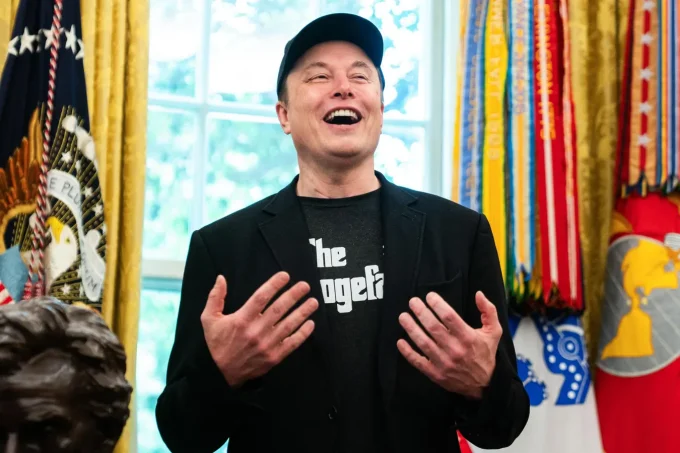
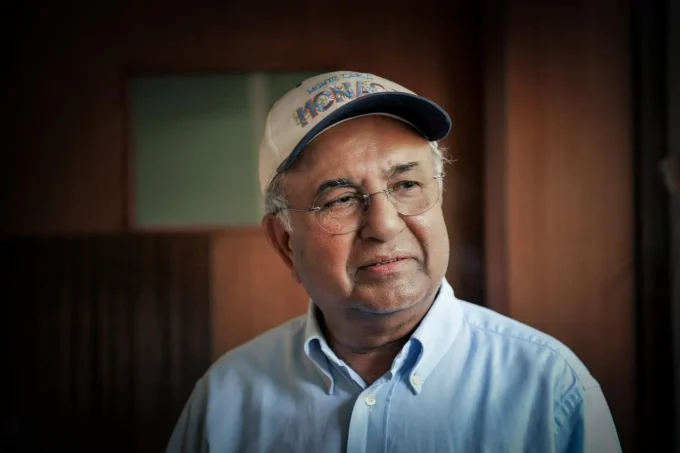
Shiv Nadar: Ramesh Pathania/Mint via Getty Images; Azim Premji: Forbes India; N R Narayana: Aparna Jayakumar/Bloomberg
This story is part of Forbes’ coverage of India’s Richest 2026. See the full list here.
India’s tech titans are in overdrive to build defenses against the global AI wave threatening to upend their longstanding, labor-intensive outsourcing business model. With skittish investors driving down shares of Indian IT firms, billionaires whose fortunes are tied to the sector have all seen their net worths take a hit. The wealthiest in this group is Shiv Nadar, chairman emeritus of HCL Technologies and once India’s third-richest person, who drops to No. 7 with his wealth shrinking by $5.8 billion to $27.4 billion on an 18% decline in the company’s shares since fortunes were last measured.
The stocks of HCL rivals Wipro and Infosys fared worse, plunging more than a third and impacting the fortunes of Azim Premji and N.R. Narayana Murthy. Their net worths, however, have fallen less steeply as they are cushioned by other assets. Premji owns privately held consumer goods company Wipro Enterprises as well as private equity firm PremjiInvest. Murthy’s family office, Catamaran Ventures, benefited from recent IPOs of some of its investee firms, including the record-breaking listing of Elon Musk’s SpaceX in June.
The tech giants are recalibrating to stay relevant amid the AI boom, which Pune-based Ganesh Natarajan, chairman of tech consultancy 5F World, says should be seen more as an opportunity than a threat. In September, HCLTech launched HCLTech Pulse, a unit offering a suite of services to help companies that have annual revenue between $500 million and $5 billion to scale their AI efforts. In December, it paid $240 million to acquire California-based Jaspersoft, a provider of an AI-powered embedded analytics platform.
For the year ended March 31, HCLTech posted revenue of $14.7 billion, $620 million of which was from its advanced-AI offerings. Amit Chandra, an analyst at HDFC Securities in Mumbai, notes in a June report that while HCLTech’s advanced-AI segment has the potential to grow to $1 billion over the next two years, it cannot “completely offset the pressure on traditional deals.”
Infosys made its AI play three years ago with the launch of Infosys Topaz, offering services using generative AI. Such services accounted for 8.2% of the company’s $5.1 billion revenue in the quarter ended June 30. Wipro, for its part, expanded into AI services last year with Wipro Intelligence, which CEO Srini Pallia said would “help our clients scale with confidence and lead in an AI-powered world.” In March, it launched an AI data center solution that uses Nvidia AI Enterprise software to help companies adopt AI faster.
Natarajan of 5F sees such efforts translating into high single-digit revenue growth over the next two to three years in the IT sector, which clocked sales of over $300 billion in 2025. “AI has forced Indian tech services companies to go further up the value chain and position themselves as the architects behind AI-enabled organizations,” he says. The challenge, he notes, will be in reskilling people in entry-level positions.












Leave a comment